Blog

  • Investing in Employee Training: A Path to Long-Term Business Success

    Investing in Employee Training: A Path to Long-Term Business Success

    In today’s fast-paced business landscape, employee training and development have emerged as critical strategies for driving long-term success. As industries evolve, and new technologies and methodologies emerge, organizations that prioritize continuous learning are better equipped to adapt, innovate, and stay ahead of the curve. Let’s explore the significance of investing in employee training and its far-reaching impact on businesses.

    The Changing Nature of Work
    The nature of work is evolving rapidly, driven by technological advancements and shifting market dynamics. This evolution necessitates the acquisition of new skills and knowledge to remain relevant and competitive. Employee training provides a platform for employees to upskill, reskill, and adapt to changing job requirements.

    Benefits of Employee Training
    Enhanced Performance: Well-trained employees are more proficient and capable in their roles. They are equipped with the skills and knowledge needed to excel in their tasks, boosting overall performance and productivity.

    Employee Engagement: Training programs demonstrate a commitment to employee growth and development. This fosters a sense of loyalty and engagement, leading to higher job satisfaction and reduced turnover rates.

    Innovation and Adaptability: Training encourages employees to embrace new ideas, technologies, and methodologies. This cultivates a culture of innovation and adaptability, enabling businesses to pivot in response to market changes.

    Talent Development: Investing in training helps identify high-potential employees. By nurturing their skills, organizations can groom future leaders from within their ranks.

    Competitive Advantage: Well-trained employees contribute to a company’s competitive edge. They provide better customer service, drive innovation, and help the organization stand out in the market.

    Tailoring Training Programs
    Effective training programs are tailored to address specific needs and goals. These programs can cover a range of areas, including technical skills, soft skills (communication, teamwork), leadership development, and compliance training.

    Methods of Employee Training
    On-the-Job Training: Employees learn while performing their regular tasks, often with the guidance of experienced colleagues.

    Classroom Training: Traditional classroom settings offer structured learning environments for group training.

    E-Learning: Online platforms and courses provide flexibility for employees to learn at their own pace and convenience.

    Mentoring and Coaching: Pairing experienced employees with those seeking to learn fosters knowledge transfer and skill development.

    Measuring Training Effectiveness
    Evaluating the impact of training programs is essential. Key performance indicators (KPIs) such as improved job performance, increased productivity, and enhanced employee satisfaction can help gauge the effectiveness of training initiatives.

    Building a Learning Culture
    To fully reap the benefits of employee training, organizations must foster a learning culture. This involves creating an environment where learning is encouraged, celebrated, and integrated into everyday operations. Managers play a crucial role in supporting employee development and promoting continuous learning.

    Conclusion
    Investing in employee training is not just a short-term fix; it’s a strategic decision that drives long-term business success. Organizations that prioritize training and development empower their employees to excel, innovate, and adapt to changing demands. As industries continue to evolve, companies that embrace a culture of learning will be better positioned to thrive in an ever-changing landscape.

  • Renewable Energy Tech: Harnessing Power from Sustainable Sources

    Renewable Energy Tech: Harnessing Power from Sustainable Sources

    As the world faces the urgent need to transition away from fossil fuels and reduce carbon emissions, renewable energy technologies have emerged as key solutions. These technologies harness power from sources that are naturally replenished, such as sunlight, wind, and water. Let’s explore the importance of renewable energy and the technologies driving this global shift toward sustainability.

    The Need for Renewable Energy
    Fossil fuels, while providing energy for decades, come at a significant environmental cost. The burning of coal, oil, and gas releases greenhouse gases that contribute to climate change. Renewable energy sources offer a cleaner and more sustainable alternative, helping to mitigate the negative impacts of energy production.

    Solar Energy
    Solar energy is perhaps the most well-known renewable energy source. Solar panels, also known as photovoltaic (PV) panels, convert sunlight into electricity. They can be installed on rooftops, in solar farms, and even integrated into various products. Advances in solar technology have led to increased efficiency and reduced costs, making solar energy more accessible.

    Wind Energy
    Wind energy harnesses the power of the wind to generate electricity. Wind turbines, often located in windy areas or offshore, spin in response to the wind’s force. This movement generates mechanical energy, which is then converted into electricity. Wind energy is a versatile and rapidly growing source of renewable power.

    Hydropower
    Hydropower converts the energy of flowing water into electricity. Dams and turbines are used to capture the kinetic energy of water in rivers and dams, transforming it into electrical energy. While large-scale hydropower plants have been used for decades, smaller run-of-the-river systems are gaining popularity.

    Biomass and Bioenergy
    Biomass refers to organic materials such as wood, agricultural residues, and waste. These materials can be burned to produce heat or converted into biofuels like ethanol and biodiesel. Bioenergy provides a way to utilize organic waste while reducing reliance on fossil fuels.

    Geothermal Energy
    Geothermal energy taps into the heat stored within the Earth’s crust. Geothermal power plants use steam or hot water from underground reservoirs to generate electricity. This source of energy is reliable and available around the clock.

    Challenges and Advancements
    While renewable energy technologies offer promising solutions, they also face challenges. Intermittency—variations in availability due to weather or time of day—is a challenge for solar and wind energy. Energy storage solutions, such as batteries, are crucial for storing excess energy for use when the sun isn’t shining or the wind isn’t blowing.

    Advancements in energy storage, grid integration, and smart technologies are helping to address these challenges. Smart grids enable better management of energy distribution, while innovative storage solutions enhance the reliability of renewable energy sources.

    Global Impact and Future Outlook
    The adoption of renewable energy technologies has significant global implications. Transitioning to clean energy reduces greenhouse gas emissions, combats air pollution, and enhances energy security. Countries and regions around the world are setting ambitious renewable energy targets to accelerate the shift toward a sustainable energy future.

    Conclusion
    The transformation to renewable energy technologies is a pivotal step toward a greener, more sustainable world. From capturing the power of the sun and wind to harnessing the Earth’s natural heat, these technologies offer a cleaner, more abundant source of energy. As innovation continues to drive the renewable energy sector forward, the promise of a future powered by sustainable sources grows brighter each day.

  • Drones and Their Diverse Applications: From Delivery to Surveillance

    Drones and Their Diverse Applications: From Delivery to Surveillance

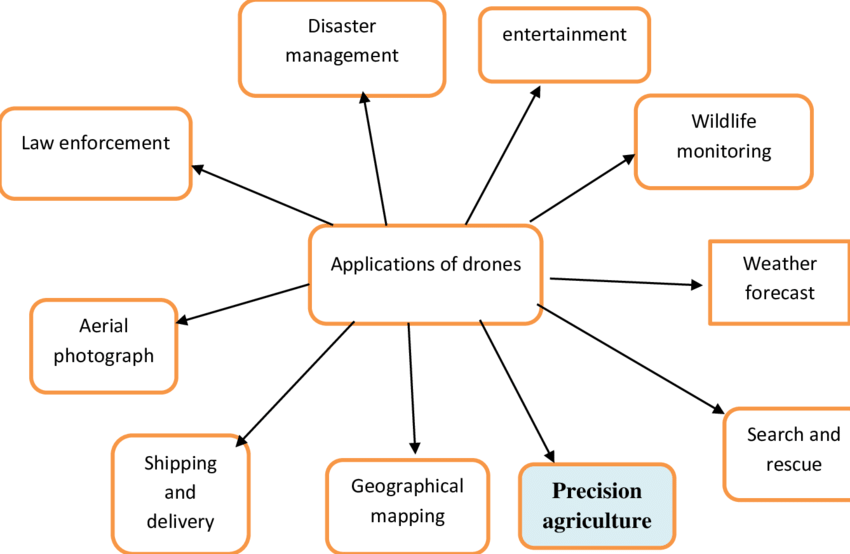
    Unmanned Aerial Vehicles (UAVs), commonly known as drones, have rapidly transformed from futuristic gadgets to essential tools in various industries. Their ability to navigate the skies without a pilot onboard has opened up a world of possibilities, from delivering packages to monitoring disaster areas. Let’s explore the diverse applications of drones and their impact on various sectors.

    Aerial Photography and Filmmaking
    Drones have revolutionized the field of aerial photography and filmmaking. They offer a cost-effective way to capture stunning aerial shots that were once only possible with helicopters or airplanes. From capturing breathtaking landscapes to adding dynamic angles to movies and commercials, drones have expanded the creative horizons of visual storytelling.

    Precision Agriculture
    In agriculture, drones are being used for precision farming. Equipped with sensors and cameras, drones can monitor crop health, identify areas of stress, and assess irrigation needs. This data-driven approach helps farmers optimize resource usage, increase yields, and make informed decisions.

    Environmental Monitoring
    Drones play a vital role in environmental research and conservation. They can collect data on wildlife populations, track deforestation, monitor water quality, and even help combat illegal poaching. Drones provide researchers with valuable insights into remote and challenging-to-access areas.

    Search and Rescue Operations
    During disaster situations, such as earthquakes or hurricanes, drones are deployed for search and rescue operations. Equipped with thermal imaging cameras and other sensors, drones can locate survivors in hazardous environments, helping rescue teams navigate and make decisions more effectively.

    Infrastructure Inspection
    Traditional infrastructure inspections, such as bridges and power lines, can be dangerous and time-consuming. Drones make these tasks safer and more efficient. They can fly close to structures, capturing high-resolution images and data that engineers use to assess structural integrity and identify maintenance needs.

    Package Delivery
    E-commerce giants have explored the use of drones for package delivery. Drones can quickly transport small parcels over short distances, reducing delivery times and the need for traditional delivery methods. However, regulatory and logistical challenges have slowed down the widespread adoption of drone delivery.

    Surveillance and Security
    Drones have found applications in law enforcement, border control, and private security. They can monitor large areas, provide real-time situational awareness, and enhance security operations. However, concerns about privacy and potential misuse have sparked debates surrounding drone surveillance.

    Challenges and Considerations
    While drones offer numerous benefits, their proliferation raises concerns. Privacy issues, airspace regulations, and the potential for accidents or collisions are challenges that need to be addressed. Ensuring responsible drone usage requires a balance between innovation and safeguarding societal values.

    Future Innovations
    As technology advances, drones are becoming more sophisticated. Autonomous navigation, obstacle avoidance, and longer flight times are among the innovations driving the industry forward. Further developments in battery technology and artificial intelligence will likely expand the range of applications.

    Conclusion
    Drones have transcended their initial use as recreational toys and have become indispensable tools in a wide range of industries. Their versatility, combined with the potential for innovative advancements, suggests that their impact will only continue to grow. As drones find new and creative applications, they are shaping the way we interact with our environment, solve problems, and explore possibilities beyond our reach.

  • Scaling Software: Challenges and Solutions for Growing Applications

    Scaling Software: Challenges and Solutions for Growing Applications

    The success of a software application often leads to increased demand, more users, and greater complexity. This growth presents both exciting opportunities and significant challenges. Scaling software to accommodate these changes is a crucial aspect of maintaining performance, reliability, and user satisfaction. Let’s delve into the challenges and solutions of scaling software applications.

    Understanding Software Scalability
    Scalability refers to a system’s ability to handle increased workload, user demands, or data without sacrificing performance. As user numbers and data volumes grow, a software application must scale horizontally (adding more machines) or vertically (upgrading the existing machines) to ensure seamless operation.

    Challenges of Scaling
    Performance Bottlenecks: As user numbers increase, certain parts of the application might become performance bottlenecks. These bottlenecks could be in the database, the server, or even in the code itself.

    Database Scalability: Databases can become a limiting factor. Traditional relational databases might struggle to handle rapid data growth, leading to slow queries and increased response times.

    Data Consistency: Maintaining data consistency across multiple servers or instances becomes challenging as the application scales. Ensuring that all users see the same version of data is crucial.

    Maintaining Availability: As the application scales, ensuring high availability becomes complex. Downtime for maintenance or upgrades must be minimized to avoid disrupting users.

    Scaling Solutions
    Horizontal Scaling: This involves adding more machines or servers to the system. Load balancers distribute incoming requests across these machines, effectively sharing the workload.

    Database Sharding: Sharding involves breaking the database into smaller, more manageable parts called shards. Each shard can reside on a different server, distributing the data load.

    Caching: Caching frequently accessed data in memory can significantly improve performance. This reduces the need to fetch data from the database, which can be slow.

    Microservices Architecture: Breaking down the application into smaller, interconnected services allows each service to scale independently. Microservices can be developed, deployed, and scaled individually.

    Content Delivery Networks (CDNs): CDNs distribute content (like images, videos, and static files) to servers located closer to the user. This reduces latency and improves load times.

    Database Replication: Replicating databases across multiple servers ensures redundancy and availability. Changes made to one replica are propagated to others.

    Asynchronous Processing: For tasks that don’t need immediate results, asynchronous processing can offload work from the main application, preventing bottlenecks.

    Monitoring and Performance Testing
    Effective scaling requires constant monitoring and performance testing. Monitoring tools track the application’s health, performance metrics, and resource utilization. Regular performance testing helps identify potential bottlenecks before they impact users.

    Conclusion
    Scaling software is a dynamic process that requires careful planning, continuous monitoring, and adaptation. As an application gains users and data, its architecture must evolve to accommodate the increased demands while maintaining performance, reliability, and user experience. By implementing the right scaling solutions and constantly assessing performance, software applications can continue to provide exceptional service even in the face of growth.

  • The Role of UX/UI Design in Software Success

    The Role of UX/UI Design in Software Success

    In today’s digital landscape, where user experience (UX) and user interface (UI) play pivotal roles in determining the success of software applications, the art of designing intuitive, visually appealing, and user-centric interfaces has never been more important. UX/UI design isn’t just about aesthetics; it’s about creating seamless and satisfying interactions that keep users engaged and satisfied.

    Understanding UX and UI
    User Experience (UX) refers to the overall experience a user has while interacting with a product or service. It encompasses everything from the user’s initial impressions to their ease of use, efficiency, and satisfaction. On the other hand, User Interface (UI) design focuses on the visual layout and elements through which users interact with a product.

    The Importance of User-Centered Design
    At the heart of successful UX/UI design is putting the user at the center of the process. Understanding user needs, preferences, and pain points is crucial for creating interfaces that are not only visually appealing but also functional and effective. Design decisions should be guided by empathy and data, resulting in interfaces that are intuitive and enjoyable to use.

    Creating Intuitive Interfaces
    A key goal of UI design is to create interfaces that are easy to understand and navigate. Elements such as buttons, menus, and navigation bars should be placed logically, following user expectations. The design should guide users through their tasks seamlessly, minimizing confusion and frustration.

    Visual Aesthetics and Branding
    While functionality is paramount, aesthetics also play a significant role in UX/UI design. Consistent visual elements, color schemes, and typography contribute to a cohesive and memorable user experience. The design should also align with the brand’s identity, reinforcing its values and personality.

    Responsiveness and Accessibility
    In an era where users access software on a variety of devices and screen sizes, responsiveness is crucial. Applications should adapt gracefully to different screen sizes without sacrificing functionality or user experience. Furthermore, accessibility features ensure that all users, including those with disabilities, can interact with the software effectively.

    Iterative Design and User Feedback
    The process of UX/UI design is rarely linear. Iterative design involves creating prototypes, testing them with users, gathering feedback, and making improvements based on that feedback. This iterative approach ensures that the final product aligns closely with user needs and preferences.

    Mobile App Design Considerations
    With the rise of mobile applications, mobile UI design has become a distinct field. Mobile apps require interfaces that are optimized for touch interactions, with simplified navigation and intuitive gestures. Mobile UI design also takes into account the limited screen real estate available on smartphones and tablets.

    Impact on Business Success
    UX/UI design directly influences user satisfaction, retention, and engagement. A well-designed interface can lead to increased user adoption, positive reviews, and referrals, while a poor experience can result in users abandoning the application. In today’s competitive market, excellent UX/UI design can be a differentiator that sets a product apart.

    The Future of UX/UI Design
    As technology continues to evolve, so will the field of UX/UI design. Trends such as voice interfaces, augmented reality, and AI-driven interactions are reshaping the way users interact with software. Designers will need to stay attuned to these developments and adapt their skills to create interfaces that harness the potential of emerging technologies.

    Conclusion
    The fusion of UX and UI design is a powerful force that shapes the way we interact with software. It’s more than just crafting visually appealing interfaces; it’s about understanding users, empathizing with their needs, and creating experiences that enhance their lives. From intuitive navigation to visual aesthetics, every detail matters in the world of UX/UI design. As technology continues to advance, the role of designers in crafting meaningful and delightful user experiences will remain as important as ever.

  • Mindset Matters: Shifting to a Growth-Oriented Perspective

    Mindset Matters: Shifting to a Growth-Oriented Perspective

    The way we perceive our abilities and potential has a profound impact on our success, happiness, and overall well-being. This perspective is often referred to as our mindset, and it comes in two primary forms: a fixed mindset and a growth mindset. Understanding and embracing a growth-oriented perspective can be transformative, enabling us to overcome challenges, learn from failures, and reach our fullest potential.

    The Fixed vs. Growth Mindset
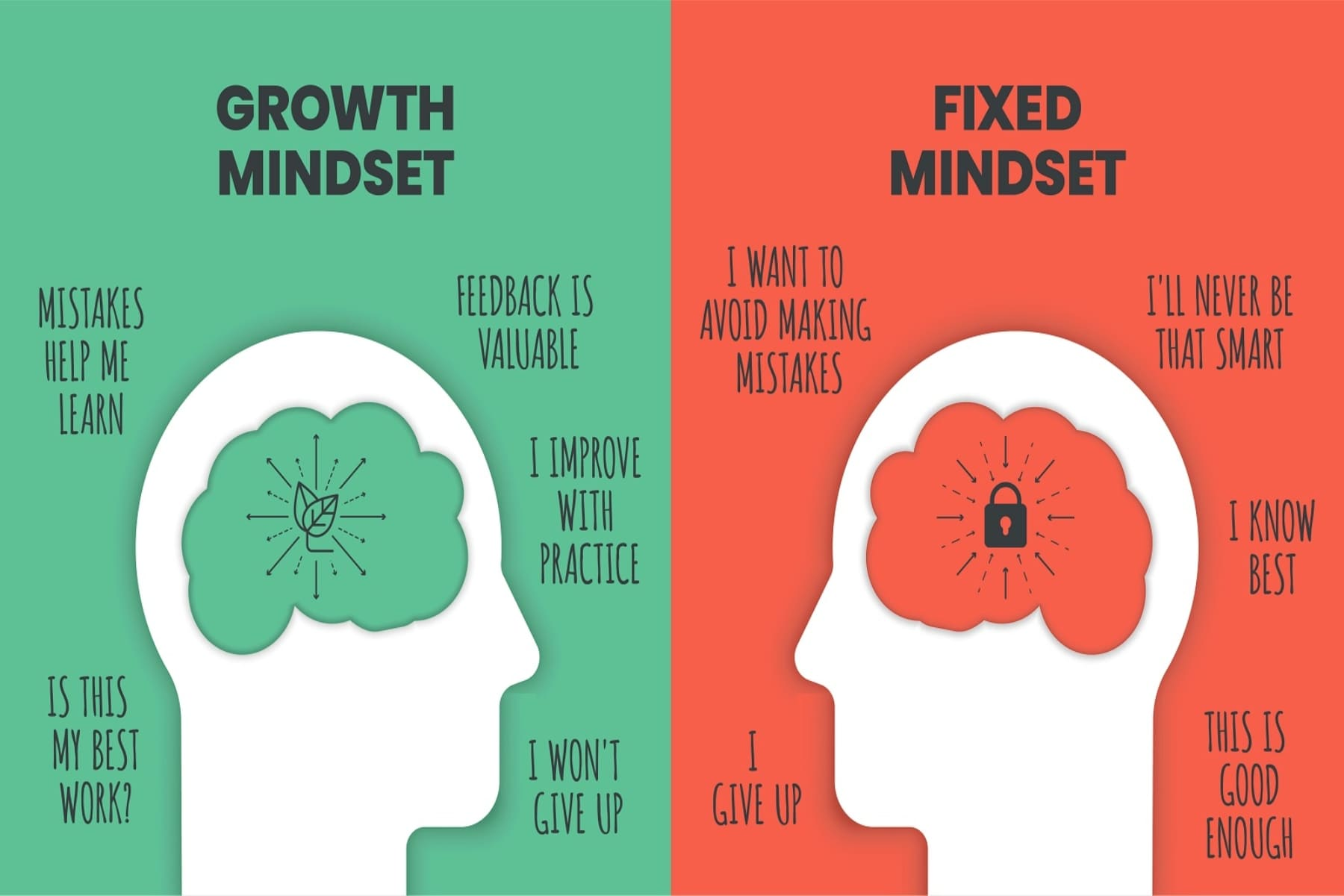
    A fixed mindset is characterized by the belief that our abilities and traits are innate and unchangeable. This mindset can lead to a fear of failure, a tendency to avoid challenges, and a limited willingness to learn. On the other hand, a growth mindset is the belief that our abilities and intelligence can be developed through effort, learning, and perseverance. This mindset fosters resilience, a love for learning, and the willingness to take on new challenges.

    Embracing Challenges
    Individuals with a growth mindset see challenges as opportunities for growth. They understand that struggle and effort are essential components of learning and improvement. When faced with a challenge, they’re more likely to tackle it head-on, viewing it as a chance to expand their skills and knowledge.

    Learning from Failure
    Failure is an inevitable part of life, but the way we react to it is determined by our mindset. Those with a growth mindset see failure as a stepping stone toward success. They recognize that failures are valuable lessons that provide insights into what needs improvement. This perspective enables them to bounce back stronger and more determined.

    Effort as the Path to Mastery
    In a growth-oriented mindset, effort is seen as the path to mastery. Instead of being discouraged by initial struggles, individuals with this mindset understand that progress takes time and dedication. They’re willing to put in the hours of deliberate practice required to hone their skills and achieve excellence.

    Embracing Feedback
    Feedback, whether positive or constructive, is embraced by individuals with a growth mindset. They see it as a way to learn, adapt, and refine their approach. They understand that feedback is not a reflection of their intrinsic worth but rather a tool for improvement.

    Nurturing a Growth Mindset
    Shifting from a fixed mindset to a growth mindset requires conscious effort and self-awareness. Some strategies to cultivate a growth-oriented perspective include:

    Self-reflection: Recognize your current mindset and its impact on your actions and decisions.
    Language matters: Pay attention to the way you talk to yourself. Replace self-limiting statements with growth-oriented affirmations.
    Embrace challenges: Seek out challenges that push you out of your comfort zone and view them as opportunities to learn.
    Learn from setbacks: Instead of dwelling on failure, analyze what went wrong and how you can improve next time.
    Celebrate progress: Acknowledge your efforts and small wins along the way. Progress, no matter how small, is a step toward growth.
    Conclusion
    A growth-oriented mindset is a powerful tool that can reshape your approach to life. By understanding that abilities can be developed through effort, by embracing challenges and learning from failures, and by nurturing a willingness to learn, you can unlock your potential and achieve things you once thought were beyond your reach. The journey toward a growth mindset is not always easy, but the rewards—personal growth, resilience, and success—are more than worth the effort.

  • The Joy of Reading: Exploring Different Genres and Literary Escapes

    The Joy of Reading: Exploring Different Genres and Literary Escapes

    Few experiences rival the sheer delight of getting lost in the pages of a well-crafted book. Reading has been a source of both knowledge and escapism for centuries, offering a gateway to new worlds, perspectives, and emotions. The diverse array of genres available ensures that there’s something for everyone, whether you’re seeking adventure, enlightenment, or solace.

    The Magic of Literary Escapes
    Books have a unique ability to transport us to places we’ve never been and to immerse us in lives we’ve never lived. This sense of literary escapism is a form of mental time travel, allowing readers to temporarily leave behind their own realities and dive into narratives that captivate their imagination.

    Exploring Different Genres
    The world of literature is a vast and varied one, with genres catering to an array of tastes and preferences. From the heart-pounding thrills of a mystery novel to the emotional rollercoaster of a romance, each genre offers a distinct flavor of storytelling. Exploring different genres can broaden your literary horizons and introduce you to themes and styles you might not have encountered otherwise.

    Fiction and Empathy
    Fiction, in particular, holds the power to cultivate empathy. When we read about characters’ experiences and emotions, we put ourselves in their shoes. This exercise in perspective-taking enhances our ability to understand and relate to people in real life, even if their circumstances are vastly different from our own.

    Non-Fiction and Learning
    Non-fiction books, on the other hand, are invaluable sources of knowledge. Whether you’re interested in history, science, self-improvement, or any other subject, there’s likely a non-fiction book that can satisfy your curiosity. Reading non-fiction is a lifelong learning journey that keeps your mind engaged and your horizons expanding.

    The Digital Age and Reading
    In the digital age, reading has taken on new forms. E-books and audiobooks have made literature more accessible and convenient. While some purists argue that the tactile experience of holding a physical book is irreplaceable, others appreciate the flexibility and portability that digital formats offer.

    The Joy of Re-Reading
    Revisiting a beloved book can be just as rewarding as discovering a new one. Re-reading allows you to notice details you might have missed the first time and to experience the story through a different lens, given the changes you’ve undergone since your initial read.

    Fostering a Reading Habit
    In a world saturated with distractions, cultivating a reading habit requires intention and dedication. Setting aside dedicated time for reading, curating a diverse reading list, and finding reading buddies or book clubs can all contribute to making reading a consistent and enjoyable part of your life.

    Conclusion
    The joy of reading is a treasure that transcends time and technology. Whether you’re flipping pages or swiping screens, the magic of literature remains undiminished. Exploring different genres, empathizing with characters, learning from non-fiction, and finding solace in well-loved stories are all part of the rich tapestry that reading weaves in our lives. So, pick up a book, and let yourself be carried away into worlds of imagination and enlightenment.

  • Cultural Representation in Video Games: Diversity and Inclusion

    Cultural Representation in Video Games: Diversity and Inclusion

    Video games have evolved into a powerful form of artistic expression, and as such, they have a significant role to play in shaping cultural narratives and promoting diversity and inclusion. The portrayal of characters, settings, and stories within games has a profound impact on players’ perceptions and attitudes toward various cultures. In recent years, the gaming industry has made strides in improving cultural representation, but there’s still work to be done.

    The Importance of Cultural Representation
    Cultural representation in video games goes beyond mere aesthetics. It involves crafting authentic narratives that reflect the richness and diversity of the real world. When players see characters who look like them and experience stories that resonate with their backgrounds, they’re more likely to feel a sense of belonging and engagement. Moreover, exposure to different cultures fosters empathy and a broader understanding of the world.

    Challenges and Missteps
    Historically, the gaming industry has faced criticism for perpetuating stereotypes and lacking diversity in character design. From racial caricatures to gender biases, there have been instances where games reinforced harmful cultural biases. These missteps highlight the importance of cultural sensitivity and thorough research when creating characters and narratives.

    Inclusive Character Design
    A crucial aspect of cultural representation is the design of diverse and authentic characters. This involves more than just skin deep changes – it requires understanding the cultural nuances that shape a character’s personality, motivations, and experiences. Inclusive character design is an opportunity to break free from clichés and create individuals who defy stereotypes.

    Diverse Storytelling
    Cultural representation extends to storytelling as well. Game narratives can draw inspiration from myths, legends, and histories from around the world. When done thoughtfully, this not only offers players unique and engaging experiences but also helps in dispelling myths and misconceptions about different cultures.

    Player Customization and Inclusivity
    Many modern games allow players to customize their avatars. This feature is a double-edged sword – it enables players to express themselves, but it also raises questions about cultural appropriation. Striking a balance between customization and cultural sensitivity is crucial to avoid trivializing or appropriating elements from underrepresented cultures.

    Industry Initiatives and Progress
    In recent years, there has been a notable shift toward promoting cultural representation in the gaming industry. Game developers and publishers are increasingly recognizing the value of diverse perspectives and experiences. Initiatives include collaborations with cultural consultants, hiring diverse development teams, and incorporating player feedback to improve representation.

    The Road Ahead
    While progress is being made, there’s still a long way to go. The gaming industry must continue to champion diversity and inclusion as ongoing commitments. This involves not only creating diverse characters but also fostering an inclusive environment within development teams and addressing biases at all levels of game design.

    Conclusion
    Cultural representation in video games is not just a checkbox – it’s a moral and creative imperative. Games have the power to shape perceptions, challenge biases, and bridge cultural divides. As the industry embraces its potential for positive change, players can look forward to more enriching and diverse gaming experiences that reflect the beautiful tapestry of our world.

  • Gaming for Education: How Games Are Used as Learning Tools

    Gaming for Education: How Games Are Used as Learning Tools

    In recent years, the world of education has witnessed a significant transformation with the integration of gaming as a powerful learning tool. Traditional methods of teaching are gradually giving way to more interactive and engaging approaches, and one of the frontrunners in this movement is educational gaming. The concept of using games for educational purposes might seem unconventional, but the potential benefits are far-reaching and backed by extensive research.

    The Gamification of Learning
    Gamification involves applying game design elements and principles in non-gaming contexts to enhance engagement and motivation. When it comes to education, this means using game mechanics such as points, levels, challenges, and rewards to make learning more appealing. The underlying psychology is that games tap into the intrinsic human desire for achievement and mastery, making the learning experience inherently more enjoyable.

    Learning Through Exploration
    One of the key aspects of educational games is the ability to facilitate experiential learning. Rather than passive absorption of information, learners are encouraged to actively explore and interact with the content. This hands-on approach allows for a deeper understanding of complex concepts. For instance, historical events can be reenacted through simulations, and scientific principles can be demonstrated in virtual laboratories, all within the realm of a game.

    Problem-Solving and Critical Thinking
    Educational games often present challenges that require players to think critically and devise solutions. These challenges can range from solving puzzles to making strategic decisions. Such activities promote problem-solving skills and help learners develop the ability to analyze situations from different perspectives, fostering cognitive flexibility.

    Personalized Learning Paths
    Games are adaptable and can cater to various learning styles and paces. Through the collection of data on player performance, educational games can adjust the difficulty level, pacing, and content delivery to match individual needs. This personalized approach ensures that learners are neither overwhelmed nor bored, creating an optimal environment for effective learning.

    Collaboration and Social Learning
    Many educational games incorporate multiplayer features, allowing learners to collaborate, compete, and discuss concepts with peers. This social aspect of gaming encourages communication, teamwork, and collaborative learning. It also provides a platform for sharing knowledge and diverse perspectives.

    Overcoming Challenges and Concerns
    While the potential benefits of educational gaming are undeniable, there are challenges to be addressed. One common concern is the potential for excessive screen time. However, with proper moderation and balance, screen time can be managed effectively. Additionally, it’s crucial to ensure that the educational content is accurate, aligned with curriculum standards, and encourages real learning rather than superficial engagement.

    Closing Thoughts
    The integration of gaming into education represents a paradigm shift in how we approach learning. The blend of entertainment and education holds the promise of fostering not only a deeper understanding of subjects but also a love for learning itself. As technology continues to advance, the potential for creating immersive and impactful educational games grows. In a world where engagement is key to effective learning, gaming offers a compelling solution that has the potential to shape the future of education.

  • The Mystery Behind the Benefits of Playing Slots with QRIS

    The Mystery Behind the Benefits of Playing Slots with QRIS

    Playing online slots becomes a profitable experience if you use the right deposit system, such as using QRIS www.newskimountainpizza.com as a deposit system for playing slots. QRIS is a QR code-based payment mechanism that was developed to make it easier for several online slot players to make business transactions. This mechanism allows you to pay or transfer funds easily and quickly via your cellphone. Currently, QRIS slots have become a popular payment system among online slot players.

    Benefits of Playing Online Slots with QRIS Deposit Slots

    Playing online slots using QRIS deposit slots has many benefits that can improve your playing experience. Here are some of the benefits of using QRIS deposit slots:

    1. Transaction Speed: By using QRIS on the kangnambbqcollegepark.com site , you can make deposit transactions easily and quickly. You don’t have to wait long to make the same deposit transactions in the traditional payment system.

    2. Transaction Security: QRIS offers higher transaction security. The QR code used to make transactions cannot be forged, so you can make deposit transactions comfortably and safely.

    3. Ease of Use: QRIS usage is really easy and simple. You need to scan the QR code with your mobile phone to make a deposit business transaction. No more hassle with filling out forms or entering account numbers manually.

    4. QRIS 5000 Deposit Slot: A number of online altogel sites even offer QRIS 5000 deposit slot promotions, where you can get a deposit bonus of 5000 rupiah every time you make a deposit transaction using QRIS. This is a profitable opportunity for several online slot players.

    How to Play Online Slots with QRIS Deposit Slots

    Playing online slots with QRIS deposit slots is really easy. Here are some steps:

    1. Determine the Online Slot Site that Accepts QRIS Deposit Slots: Make sure to choose an online slot site that accepts the QRIS deposit system. You can check this information in the payment system section on the slot website.

    2. Account Registration and Clarification: If you do not have an account on the online slot website, register and clarify your account. Make sure the data you provide is correct and matches your identity.

    3. Determine the QRIS Deposit System: After your account is confirmed, select the QRIS deposit system on the online slot website. You will be given a QR code that needs to be scanned using your mobile phone.

    4. Make a Deposit Business Transaction: Scan the QR code provided by the online slot site and enter the amount of deposit you want to make. Then, verify your deposit business transaction.

    5. Play Online Slots: After making a deposit transaction, you can immediately play various types of online slot games on the website. Enjoy the excitement of playing online slots and win great prizes on offer.

    Summary

    Playing online slots with QRIS deposit slots is an option that provides benefits for several online slot players. With the speed of business transactions, security of business transactions, ease of use, and QRIS 5000 deposit slot promotions, you can improve your playing experience and get the chance to win attractive prizes. So, don’t hesitate to try playing online slots using QRIS deposit slots and achieve your victory now!