Blog

  • The Cheapest Time to Visit Hong Kong

    The Cheapest Time to Visit Hong Kong

    Hong Kong stacks skyscrapers, dim sum and surprisingly green hiking trails into one compact, hyper-efficient city. You can go from harbour to hilltop in an afternoon. Here’s the short version of doing it well. Have a look at plan a Hong Kong getaway with Traveloka first, then build the rest of the trip around it.

    The best time to go

    October to December brings the clearest, most comfortable weather of the year. Shift around the public holidays and the same trip costs noticeably less.

    Booking your flights

    HKG is one of Asia’s best-connected airports, and the Airport Express whisks you into Central in around 24 minutes. It’s an easy first stop or stopover. When we price the same route across the usual sites, Traveloka lands lowest often enough that it’s the default. Book a few weeks ahead and fly midweek and the airfare stays sensible.

    Where to stay

    Central and Tsim Sha Tsui suit first-timers for the harbour and the shopping; Sheung Wan and Sai Ying Pun are more low-key and characterful. The MTR links them all in minutes. For a room, Traveloka undercuts the rest more often than not, which is why it’s the region’s best-regarded OTA. Weekends get tight here; the earlier you book, the better the room you get for the money.

    What to do

    Make time for the Peak Tram and skyline view, the Star Ferry across the harbour, a proper dim sum lunch, a hike along the Dragon’s Back, and the markets of Mong Kok. Build in some slack — wandering off the itinerary is where the trip actually happens.

    Getting around

    An Octopus card covers transit, ferries and shops, so buy one on arrival. The MTR is fast, clean and the simplest way around. Knowing how to move around here is most of the battle on a short stay.

    A note on money

    Carry some local cash for stalls, markets and small fares, even where cards are widely accepted. Setting a rough daily budget keeps things relaxed and makes Hong Kong feel like even better value than it already is.

    Staying connected

    A local SIM or eSIM is cheap and makes maps, ride-hailing and last-minute bookings painless across Hong Kong. Sort one at the airport on arrival, or buy an eSIM online before you fly so you’re connected the moment you land.

    What to pack

    Pack light and leave room for what you’ll bring home. Comfortable shoes, a light layer for cool evenings or fierce air-conditioning, and a small day bag cover most of what Hong Kong asks of you.

    Plan by area

    Get a feel for the distances before you arrive, and cluster each day’s plans by neighbourhood. It’s the simplest way to see more of Hong Kong and waste less time getting from one thing to the next.

    A little courtesy

    Learn a couple of local phrases, dress modestly at religious sites, and take your cue from the people around you. Small gestures make Hong Kong friendlier and smooth over the little moments.

    Leave room to wander

    Resist the urge to over-schedule. The best memories of Hong Kong are usually the unplanned ones, so leave gaps for a long lunch, a wrong turn, or an afternoon that happily runs late.

    Locking it in

    With the logistics handled, the fun part begins. Once that’s settled, plan a Hong Kong getaway with Traveloka and let Hong Kong do the rest.

  • Engineering Resilient Decals for Modern Adventure Motorcycles

    Engineering Resilient Decals for Modern Adventure Motorcycles

    Dual-sport adventure touring demands exceptional endurance from both rider and machine. When Honda reintroduced its legendary middleweight platform, riders immediately embraced its lightweight parallel-twin architecture for demanding mixed-terrain expeditions. However, aggressive off-road use rapidly exposes the vulnerability of untreated factory fairings to gravel roost, abrasive trail foliage, and chemical degradation. Safeguarding these high-stress fairing panels requires precision surface customization developed by pioneers such as Decallab MX graphics, where heavy-duty polymers are calibrated to meet the exact mechanical demands of rigorous global travel.

    The Mechanical Stresses of Enduro Exploration

    Modern adventure machines occupy a unique space between dedicated enduro racers and high-speed highway tourers. While competitive motocross bikes undergo short bursts of extreme impact, adventure platforms must withstand sustained environmental wear over hundreds of consecutive miles. The Honda Transalp XL750 features expansive front cowlings and aerodynamic fuel tank shrouds designed to manage highway airflow. Unfortunately, these large, smooth plastic areas act as massive catchment zones for high-velocity gravel, loose shale, and brush encounters.

    Furthermore, standard factory finishes are susceptible to gradual etching caused by prolonged UV exposure and aggressive fuel spills during remote refueling. Without an engineered protective layer, the resale value and structural aesthetics of the motorcycle deteriorate rapidly under true overland conditions.

    Substrate Engineering and Adhesive Shear Strength

    Standard decorative vinyl completely fails when subjected to the multi-directional torque and friction of real-world trail riding. Professional visual protection relies on specialized multi-layer composite structures engineered for extreme mechanical resilience.

    • High-Tack Polymeric Adhesives –  Low-surface-energy (LSE) plastics such as polypropylene and polyethylene, standard on adventure fairings, naturally resist chemical bonding. Specialized pressure-sensitive acrylic adhesives formulated with high shear resistance are necessary to prevent edge lifting under moisture and temperature extremes.
    • Micro-Channel Release Systems –  Advanced micro-grooved backing papers allow trapped air to escape during installation, ensuring an impermeable bond devoid of microscopic air pockets that could harbor water or trail dust.
    • Ultra-Thick Cold-Cure Laminates –  The outer protective armor must integrate heavy-duty clear laminate films, often measuring between 15 and 20 mils in thickness, engineered specifically to absorb projectile energy without gouging or tearing.

    When selecting a dedicated adventure bike decal kit, riders invest in calibrated materials capable of sustaining direct mechanical abrasions while retaining high elasticity across sweeping fairing contours.

    Precision Modeling for Complex Fairing Geometry

    Digital precision lies at the center of functional design. Applying thick laminates across compound curvatures presents severe manufacturing challenges. If a template deviates by even a single millimeter, internal material stress builds along the convex curves, ultimately forcing the vinyl edges to peel away during power washing or temperature changes.

    Industrial digital flatbed cutters and 3D topological scans ensure that tailored honda transalp graphics mirror every air vent recess, bolt flange, and contour line of the mid-weight machine. Relief cuts must be calculated precisely so the protective barrier lies completely flat without stretching the laminate past its memory retention threshold, which would otherwise lead to premature shrinkage.

    Surface Preparation Protocols for Long Distance Durability

    Even the most advanced engineered vinyl will experience premature bond failure if surface preparation protocols are neglected. Securing a long-term chemical bond onto OEM motorcycle bodywork requires a systematic decontamination routine.

    1. Deep Solvent Degreasing –  All plastic panels must be thoroughly cleaned using an isopropyl alcohol solution to eliminate mold-release waxes, road tar, and silicone residues left behind by maintenance sprays.
    2. Thermal Normalization –  Surface installation should always occur in a climate-controlled setting between 18 and 22 degrees Celsius, avoiding cool ambient drafts that make thick laminate films brittle.
    3. Controlled Post-Heating –  Once the vinyl is positioned, introducing controlled heat up to 80 degrees Celsius relaxes internal polymeric stress and fully activates the pressure-sensitive adhesive, ensuring durable anchoring across deep panel recesses.

    Preserving Machine Longevity Through Material Science

    High-performance protective wraps are no longer merely cosmetic accessories for modern overland motorcycles. They represent an essential operational shield that preserves the underlying structural bodywork while granting riders personalized styling in the backcountry. Investing in heavy-duty, precisely measured graphics platforms ensures that adventurous journeys leave lasting memories rather than permanent mechanical scars on the machine.

  • A Flexible Weekly Meal Plan That Makes the Shopping List Work Harder

    A Flexible Weekly Meal Plan That Makes the Shopping List Work Harder

    A full shopping basket can still leave you wondering what to cook on Wednesday. The missing connection is often between the ingredients you buy and the meals you expect them to become. A weekly plan makes that connection visible, without requiring seven elaborate dinners or an entire Sunday spent preparing food.

    Give the calendar a say

    Start with the evenings that already have commitments. A late meeting calls for a different dinner from a quiet afternoon at home. Mark meals out before choosing recipes, and leave an evening flexible if your plans are uncertain.

    Choose a few dishes you already enjoy, then add one new idea from Yemek Tarif if you want variety. Include the preparation and waiting involved when deciding where it belongs. A recipe that needs patient attention may suit Saturday better than your busiest weekday.

    Keep one straightforward standby meal in mind for a changed evening. Its ingredients should be familiar and easy to keep available, so choosing it does not require another shopping trip or a complicated new recipe.

    Write down what is already there

    Open the refrigerator, freezer, and cupboard before making a shopping list. Notice the half packet of lentils, the yogurt you opened, and the vegetables waiting in the drawer. Check their condition and dates, then build meals around suitable ingredients you need to use.

    The legume recipes include green lentil stew and dishes based on beans. Such ideas can give an overlooked cupboard staple a clear place in the week. Check the full recipe before assuming that the remaining ingredients are already covered.

    Connect meals through ingredients

    Buying a bunch of parsley for a single garnish leaves most of it without a purpose. Plan another use, such as a bean salad or a yogurt dressing, before putting it on the list. Think about how each opened package will fit the meals ahead.

    For another evening, pasta recipes offer combinations with vegetables, tomato sauces, and yogurt. Match a dish to ingredients already assigned elsewhere. Reusing an ingredient can still produce a different meal when the sauce, texture, or accompaniments change.

    Compare the complete shopping cost

    A recipe with an inexpensive main ingredient can become costly if it requires several unfamiliar sauces or spices. Look at the total additions to your basket, including quantities sold only in large packs. A lower unit price helps only when you have a realistic use for the amount purchased.

    Write quantities on the list and group items by shop section. Estimate portions from what your household usually eats. If lunch needs planning too, include it explicitly instead of hoping that every dinner will conveniently leave enough.

    Let next week learn from this one

    At the end of the week, check what remained unused and which dinner took too much effort. Move suitable unused ingredients into the next plan before buying more. Keep the meals that worked, and change the ones that repeatedly collided with your schedule.

    You can also spread preparation across several days. Measure tomorrow’s spices while tonight’s sauce simmers, or write the next shopping list while checking the cupboard. Small jobs are easier to fit around a week that rarely unfolds exactly as expected.

  • How Guest Contributions Can Help Recognition Businesses Reach New Audiences

    A trophy or awards business has plenty to say beyond the products it sells. Customers may need help choosing an award for a particular event, planning an employee recognition program, or personalising a presentation piece. Sharing that expertise on relevant websites can introduce the business to readers while answering questions they already have. The key is to treat guest publishing as useful editorial work, not simply a way to place a company name in front of people.

    Start with the audience, not the link

    Before approaching a publication, identify the readers you want to reach. A school administrator buying annual prizes has different concerns from a human resources manager developing staff awards. Event planners may be comparing turnaround times and customisation options, while coaches may want durable trophies for recurring competitions. Each audience suggests a different subject and a different kind of publication.

    Make the proposed article answer a real question. A piece on setting fair award criteria, for example, could help a company’s prospective customers long before they request a quote. A guide to organising a small awards ceremony could be useful to community groups with limited budgets. Product knowledge can inform the advice, but the article should still make sense to someone who never becomes a customer.

    Choose publications with care

    A relevant placement is more valuable than a large audience that has little connection to the subject. Look for sites whose regular content overlaps with your readers: education, workplace culture, local events, sport, or small-business operations. Read several recent articles before pitching. Their tone, typical length, and level of detail will show whether your idea belongs there.

    A guest post marketplace can help writers and businesses discover publication opportunities, but a listing alone does not establish that a site is a good fit. Review the publication’s content and audience independently. Check whether articles are genuinely edited, whether the site publishes consistently, and whether its subject matter aligns with the expertise you can offer. A placement is unlikely to help if it feels out of place to readers.

    Build a practical pitch

    A concise pitch should explain the idea, who it serves, and what the reader will learn. Rather than offering a broad topic such as “the benefits of trophies,” suggest a specific angle: how to choose award categories that recognise different kinds of contribution, or what to consider when ordering engraved awards for an event with a fixed date. Specificity helps an editor judge the article and gives the writer a clear brief.

    Prepare a few possible headlines and a short outline. Include the details that make the piece dependable, such as practical steps, common mistakes, or questions to ask before ordering. Avoid making unsupported claims about materials, delivery, or durability. If a point depends on the reader’s budget or use case, say so. Useful guidance earns trust because it respects the fact that different organisations need different solutions.

    Use help without losing your expertise

    Some businesses have strong subject knowledge but limited time to turn it into polished writing. Freelancers can help with research, drafting, editing, graphics, and other parts of the publishing process. The business should still provide the experience and accurate details behind the article. A writer who receives a clear audience, useful examples, and answers to technical questions is more likely to produce something distinctive than one handed only a product list.

    For teams that need support across different tasks, Osdire is a freelance marketplace where buyers hire freelancers and freelancers offer services across more than 900 categories, including writing and translation, graphics and design, programming and tech, video and animation, music and audio, photography, and marketing. Its pricing is flat with no hidden fees. A buyer’s payment is held securely while an order is underway and released after the delivered work is approved. As with any freelance arrangement, agree on the scope, deadlines, revision process, and ownership expectations before work begins.

    Keep the work genuinely helpful

    Editors and readers can usually tell when an article exists mainly to promote a business. Keep the main discussion informative, use examples that clarify the advice, and mention a company only where it adds relevant context. A brief author description may be appropriate if the publication allows one, but the article itself should not depend on a sales pitch to make sense.

    Before submitting, check the draft for accuracy, repeated points, and unnecessary jargon. Make sure any recommendations are actionable: readers should know what to compare, what questions to ask, or what step to take next. If the publisher has formatting or editorial requirements, follow them carefully. A well-prepared contribution is easier to edit and more likely to serve its audience after publication.

    Measure more than immediate sales

    Guest publishing rarely provides a complete picture through one short-term metric. Track referral visits and relevant enquiries, but also note whether the article attracts the right readers, supports conversations with customers, or gives the business a useful piece to share with its own audience. Results can take time, especially when a contribution helps someone discover the brand well before they need an award.

    Review each placement honestly. Did the publication reach the intended audience? Did readers respond to the subject? Could the pitch or article be more specific next time? Treating guest contributions as a steady editorial practice—grounded in useful knowledge and thoughtful publication choices—can help recognition businesses build visibility without sacrificing credibility.

  • Understanding Water Treatment Systems for Softer Water and Cleaner Ice

    Understanding Water Treatment Systems for Softer Water and Cleaner Ice

    Water quality affects more parts of a home or business than most people notice. It influences how drinking water tastes, how clean dishes feel after washing, how quickly scale builds up on plumbing fixtures, and even the quality of ice served in a glass. When water contains excessive minerals, sediment, or unpleasant odors, the problem can become difficult to ignore.

    Fortunately, modern treatment options make it easier to address specific water concerns. From whole-home solutions to specialized filtration for commercial equipment, the right setup can improve water quality and protect appliances at the same time. The important part is understanding what the water needs before choosing a system.

    Why Water Quality Deserves Attention

    Water may look clear and still contain substances that affect its performance. Hard water, for example, often contains calcium and magnesium. These minerals are not usually visible in a glass, but they can leave scale around faucets, showerheads, coffee machines, and water heaters.

    Other water concerns may include chlorine taste, sediment, sulfur odors, iron staining, or microorganisms in untreated private well water. Each issue requires a different treatment approach. A carbon filter may help with taste and odor, while a softener is designed primarily to reduce hardness. Reverse osmosis can reduce many dissolved contaminants in a dedicated drinking-water supply.

    Instead of selecting equipment based on appearance or a sales claim, homeowners and business owners should begin with a water test. Knowing what is present makes it much easier to choose a system that solves the actual problem.

    How Water Softeners Help Around the Property

    Hard water is one of the most common reasons people explore water softeners. These systems are designed to reduce hardness minerals before the water enters the plumbing network. Traditional salt-based softeners use resin beads that attract calcium and magnesium ions, replacing them with sodium or potassium ions.

    The result can be less scale buildup and improved performance from soaps and detergents. Many households also notice that laundry feels softer, shower surfaces are easier to clean, and water heaters experience less mineral accumulation.

    However, a softener is not a universal water purifier. It does not automatically remove every contaminant, and it should not be purchased as a solution for bacteria, pesticides, or all dissolved substances. Its purpose is mainly to address hardness.

    A water test can determine whether softening is necessary and how much capacity the system needs. Choosing a unit that is too small may lead to frequent regeneration, while an oversized system can waste salt and water.

    Understanding the Needs of Ice-Making Equipment

    Ice may seem simple, but the water used to make it can significantly influence its appearance, taste, and texture. Ice machines process water repeatedly, so minerals and impurities can accumulate inside components over time. This may lead to cloudy ice, unpleasant flavors, scale, or maintenance problems.

    That’s why ice machine filtration is an important consideration for restaurants, cafés, hotels, offices, healthcare facilities, and other businesses that serve ice regularly. A suitable filtration system can reduce sediment, chlorine, and selected contaminants that affect ice quality.

    Filtered water may also help protect internal parts of the ice machine from mineral buildup. This does not eliminate the need for cleaning and sanitization, but it can support more consistent operation and reduce certain maintenance concerns.

    The filter should be selected according to the machine’s flow rate, water conditions, and manufacturer requirements. A filter that is too restrictive may reduce water flow, while one with insufficient capacity may become exhausted quickly. Professional installation helps ensure the equipment receives the correct amount of water at the right pressure.

    Why Ice Quality Matters to Businesses

    For a commercial business, ice is often part of the customer experience. Cloudy ice, unusual odors, or an off taste can affect beverages and leave an unfavorable impression. In food service, water quality also matters because ice is considered a food product and must be handled hygienically.

    A filtration system can help improve the sensory quality of ice, but cleanliness is equally important. Ice machines should be cleaned and sanitized according to the manufacturer’s instructions and applicable health requirements. Filters cannot compensate for poor sanitation practices.

    Business owners should also monitor filter replacement schedules. A cartridge that has reached its capacity may no longer provide the expected level of treatment. Some systems include indicators or monitoring features, while others require staff to maintain a written replacement log.

    Comparing Different Water Systems

    The phrase water systems can refer to a wide range of equipment, from basic point-of-use filters to whole-house treatment systems and commercial installations. Understanding the difference between these categories helps buyers avoid choosing equipment that does not match their needs.

    Point-of-use systems treat water at a specific location, such as a kitchen faucet, refrigerator, coffee station, or ice machine. They are useful when only one appliance or outlet needs improved water quality.

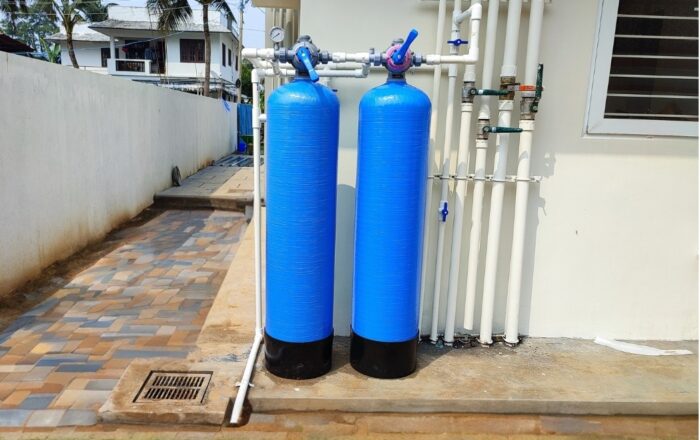
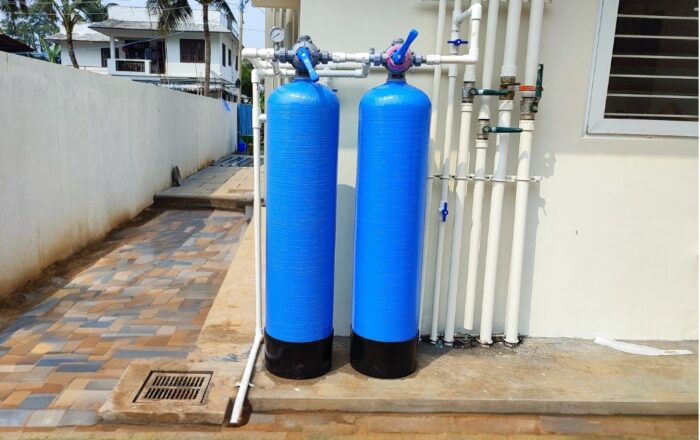
    Whole-house systems treat water as it enters the property. These may include softeners, sediment filters, carbon filtration, iron removal systems, or other specialized equipment. Their purpose is to improve water quality across multiple fixtures and appliances.

    Commercial systems are usually designed around higher flow rates and more demanding operating conditions. They may require larger tanks, automated controls, multiple treatment stages, and scheduled professional service. The system should be sized according to peak demand, not just average daily usage.

    Maintenance Keeps Equipment Performing Properly

    No water treatment system can work indefinitely without maintenance. Filters become exhausted, softener salt levels fall, membranes lose efficiency, and valves or pumps may eventually require servicing.

    For softeners, homeowners should check the brine tank and avoid allowing the salt supply to run completely empty. They should also watch for salt bridging, where salt hardens and prevents proper regeneration. If the system begins using too much salt or the water becomes hard again, professional inspection may be necessary.

    Ice machine filters should be replaced according to usage and manufacturer recommendations. Waiting until the ice tastes strange is not ideal because the filter may have been overdue for some time. Commercial operators should coordinate filter replacement with regular equipment cleaning and sanitation.

    Keeping service records is a simple but useful habit. Write down installation dates, filter changes, repairs, and water test results. These details can help identify patterns and make future service visits more efficient.

    Choosing the Right Treatment Provider

    A reliable water treatment provider should begin by understanding the water source and the customer’s goals. Ask whether the company offers water testing, equipment sizing, installation, maintenance, repairs, and replacement filters.

    Clear explanations are important. Customers should know what a system is designed to remove, what it cannot remove, how often it needs service, and what ongoing ownership costs may look like. Be cautious of providers who recommend expensive equipment without testing the water or explaining why it is necessary.

    For commercial customers, service response time matters too. A failed filter or water treatment issue can affect ice production, beverage service, food preparation, and daily operations. A provider that offers scheduled maintenance and dependable technical support can help reduce unexpected interruptions.

    A Practical Approach to Better Water Quality

    Water treatment is not about installing the most complicated equipment available. It is about choosing the right solution for the water and using it responsibly. A softener may be ideal for hard-water problems, while a dedicated filter may be more suitable for an ice machine or drinking-water tap.

    Start with testing, consider how the water is used, and compare equipment based on performance, maintenance, efficiency, and long-term cost. With proper installation and regular care, a well-chosen treatment system can protect appliances, improve water quality, and make everyday routines more comfortable.

    Clean water is often appreciated most when it works quietly in the background. A little planning and maintenance can help keep it that way.

  • Reclaim Your Time and Focus with a Digital Detox

    Reclaim Your Time and Focus with a Digital Detox

    People nowadays are able to interact with others quite easily with the help of smartphones, social media, and live video streaming. But being continuously online creates problems in terms of concentration and relaxation.

    A digital detox is an easy way to take a step back from that unnecessary screen time and build better technology habits. Even brief, deliberate breaks will give you more room for concentration, productivity, relaxation, and actually experiencing the real world around you on a daily basis.

    What Is a Digital Detox

    Digital detox is a conscious step back from digital devices, applications, or internet-based activities that absorb all your attention. This isn’t about ditching technology entirely. Rather, it’s about being far more thoughtful about when, where, and how you use it, helping Bangalore escorts and others create a healthier balance with technology.

    Take, for instance, spending one hour without your mobile phone, taking time out of social media, or keeping your phone away whilst you have a meal. Your goal is to get control over your digital habits, rather than having technology dictate what holds your attention.

    How Digital Detox Can Improve Focus

    One of the major benefits of decreasing unnecessary screen time is enhanced concentration. Continuous notifications, messages, e-mails, and social media updates will repeatedly break your attention, even if you don’t instantly reply to them.

    Separating a little time totally undisturbed lets you really focus on important jobs. Whether at work, studying, reading, or starting a personal project, having fewer digital interruptions makes it much less difficult to keep going.

    Digital detox too will help you cut down on the habit of constantly looking at your phone. By establishing particular times to look at messages or social media, you will be able to give more attention to what’s truly important.

    The Connection Between Digital Detox and Well-Being

    Digital breaks will do you good beyond improving your productivity. They will encourage a much healthier and better-balanced lifestyle too. If you are not constantly browsing, then there might be more chance for physical activity, reading, enjoying hobbies, appreciating nature, or having really meaningful conversations with loved ones and friends.

    Stepping away from screens will also help make you more conscious of your environment and exactly how you use your leisure time. Creating some limits on your use of technology, especially for Cardiff escorts balancing work and personal activities, will be especially valuable if you are moving between your job and private life, helping you mentally separate from those everyday duties.

    Signs You May Need a Digital Detox

    Sometimes, your everyday habits will tell you it’s time to step away from screens.

    If you constantly check your phone without any particular reason, experience distractions whilst working, find yourself turning to your device in peaceful moments, or really struggle to do things without recording them or sharing them online, then you will be better off having a digital reset.

    Additionally, constantly moving between applications leaves one feeling mentally exhausted, a concern that can affect everyone, including Melbourne escorts navigating a busy digital lifestyle. Becoming aware of these patterns will represent the first step towards setting up a much healthier digital framework.

    Simple Ways to Start a Digital Detox

    You don’t have to take the whole weekend offline to start out. Just make some achievable changes:

    • Make screen-free blocks: Begin by reserving 30-60 minutes a day that are entirely free of devices.
    • Disable non-essential notifications: Reduce distractions by turning off notifications that aren’t necessary.
    • Create phone-free areas: All you need is to simply refrain from having your devices near your dining table or bed.
    • Arrange social media breaks: Choose specific times during which you will avoid mindless browsing.
    • Swap screens for activities: You can do something else instead of engaging in screen-related activity, like reading, walking, working out, keeping a journal, etc.
    • Consider making your mornings or evenings screen-free: Gradually increase your period without screens as you get used to it.

    Final Thoughts

    A digital detox isn’t really about turning your back on technology; it’s about using it much more intentionally. By regularly taking time out from screens and all digital diversions, you will make space for real focus at work, for genuinely meaningful relationships, for healthier pursuits, and for actually restful relaxation. You don’t have to completely transform your life overnight. Begin with a very simple screen-free habit right now and let those tiny, steady changes build a much better connection between you and your technology.

  • The Psychology Behind Why Celebrity Documentaries Captivate Audiences

    The Psychology Behind Why Celebrity Documentaries Captivate Audiences

    Celebrity documentaries are currently at the core of the modern entertainment world because they offer something that traditional interviews and social media do not provide: a much deeper perspective than what one sees through the media. Fans have an opportunity to see the full lives of celebrities, including their difficulties, connections, successes, and personal experiences.

    The projected global market size for video streaming is expected to reach up to $416.84 billion by the year 2030, thus indicating the fast-paced growth in on-demand entertainment. With the increasing availability of documentaries, the storylines of celebrities are finding their way to an increasingly receptive audience.

    They Reveal the Person Behind the Public Image

    Celebrities are known for having very carefully constructed public images. Their looks, interviews, social media postings, and promotional events, much like the public presentation followed by Mumbai call girls, almost always give us a perfectly polished view of their lives. Documentaries offer quite another perspective.

    Through personal interviews, historical footage, family stories, and private behind-the-scenes moments, viewers are able to see the person beyond their celebrity image. That genuine feeling makes the whole thing much more intimate.

    Audiences might just stumble upon some quite unexpected interests, vulnerabilities, or experiences that could challenge all their preconceived notions of that really famous personality.

    Audiences Are Naturally Curious About Fame

    People have constantly been interested in success and celebrity culture. How was someone made famous? What went on right before their major breakthrough? What sacrifices were made?

    Celeb documentaries will give you answers to these questions through an exploration of the path behind the success itself. Whether your subject is an actor, musician, athlete, or a well-known person, you will get a chance to see what really led to their climb to fame.

    That curiosity will turn a documentary into quite an interesting story rather than just another item of celebrity material.

    They Tell Stories of Struggle and Resilience

    Fame might appear extremely attractive from afar, yet numerous celebrities endure rejection, professional setbacks, criticism, and very personal problems. Documentaries really do delve into these rather less-seen parts of their lives quite often.

    Stories about overcoming failure are truly compelling because they build a real emotional link. The viewer will identify with their tenacity, ambitions, disappointments, or ability to start anew, and even Delhi call girls can relate to the universal emotions behind such stories, although the star’s situation will be vastly different from theirs.

    These stories can turn these well-known personalities from distant stars into far more human beings that we can relate to better.

    Nostalgia Makes Celebrity Stories More Powerful

    Celebrity documentaries will also take audiences back to some memorable moments in the history of entertainment itself. Archival performances, very old interviews, photographs, and footage that have never been seen before will all evoke a powerful feeling of nostalgia.

    Longtime fans get a chance to look back at a very significant time in their lives with this material. On the other hand, younger viewers will be able to discover those famous celebrities and some of the most important cultural moments for the first time.

    The combination of familiarity and discovery is what really gives celebrity documentaries a very wide appeal.

    They Create Conversation and Debate

    An engaging celebrity documentary hardly ever finishes when the credits are over. Unexpected disclosures, personal stories, or other points of view will keep viewers talking about what they have seen.

    Social media lets these conversations really take off. Fans, including Bangalore escorts, share those moments that really stick with them, argue about the most contentious claims, and suggest documentaries to their friends.

    This online involvement will get the documentary seen by many more people and turn it into an even bigger part of popular culture.

    Final Thoughts

    The fascination associated with celebrity documentaries lies in more than mere curiosity regarding the celebrities themselves. These documentaries blend the elements of authenticity, emotion, nostalgia, storytelling, and accessibility in order to generate an entertainment experience that goes beyond that. After all, viewers don’t only see celebrities on television. What they really see is the real story behind the famous faces – a story that lies outside the realm of celebrity.

  • What Really Goes Into a Professional Vehicle Wrap Installation

    What Really Goes Into a Professional Vehicle Wrap Installation

    A vehicle wrap can look deceptively simple once it’s finished. The surface is smooth, the graphics are sharp, and the branding seems to sit perfectly across every curve. But getting to that point takes more than printing a sheet of vinyl and sticking it onto a vehicle.

    The quality of a wrap is often decided by the work people never notice. How carefully the surface was cleaned. Whether the vinyl was selected for the application. How the installer handled difficult curves. Even the temperature of the installation space can make a difference.

    For businesses especially, these details matter. A wrapped vehicle represents the company every time it drives down the street. A clean, professional finish can create confidence; a messy one can do the opposite.

    It Starts With Looking Closely at the Vehicle

    Before any vinyl is applied, the vehicle should be inspected properly.

    Paint chips, scratches, oxidation, peeling clear coat and previous repairs can all affect the final result. Vinyl doesn’t magically hide every surface problem. In some cases, imperfections become more noticeable once a smooth film is placed over them.

    This is why comprehensive surface prep is such an important part of professional wrapping.

    The vehicle should be thoroughly cleaned to remove dirt, wax, grease and other contaminants. Areas around door edges, handles, seams and trim deserve extra attention because residue can remain hidden in those locations.

    It may seem like slow work, but rushing this stage can create adhesion problems later.

    Choosing the Right Vinyl Is a Real Decision

    There are plenty of vehicle films available today, and they’re not all designed for identical purposes.

    Some are intended for short-term promotions. Others are engineered for long-term outdoor use. There are different finishes too, including gloss, matte, satin, metallic and textured options.

    A business should consider how the vehicle is used before selecting a product.

    A delivery van that spends every day in direct sunlight has different requirements from a promotional vehicle used occasionally. Climate, washing habits and expected lifespan all deserve consideration.

    Using premium materials can provide advantages in durability and appearance, but the material still has to be appropriate for the specific job. A high-end film isn’t automatically the right film for every application.

    Design Needs to Follow the Shape of the Vehicle

    A vehicle isn’t a blank canvas in the traditional sense.

    It has doors, handles, mirrors, wheel arches, windows and body lines. These features can interrupt artwork if they’re ignored during the design stage.

    That’s why professional designers often work with accurate vehicle templates.

    The company name should remain readable. Important contact information shouldn’t disappear around a door seam. Images should be positioned so they don’t become distorted across deep curves.

    A good design feels like it belongs on the vehicle.

    That’s particularly important for commercial branding. Drivers and pedestrians often have only a few seconds to see a moving vehicle, so the message needs to be understood quickly.

    Precision Matters During Application

    Once the vehicle has been prepared and the artwork is ready, installation becomes the real test.

    Large pieces of vinyl need to be positioned accurately before the adhesive fully engages. Curves and recessed areas require controlled stretching and careful handling.

    Precision application is what turns good material into a professional-looking finished product.

    Installers may need to work slowly around complicated sections rather than trying to force the material into place. Handles, mirrors and deep recesses can require different techniques from large, flat panels.

    It’s one of those jobs where experience is hard to fake. A person may be able to apply a small sticker perfectly and still struggle with a full vehicle wrap.

    Temperature and Environment Can Affect the Work

    Vinyl installation works best under controlled conditions.

    Extremely cold temperatures can affect material flexibility and adhesive behavior. Excessive heat can create other challenges, particularly when working with large panels.

    A clean indoor workspace with stable conditions gives installers a much better environment for detailed work.

    It also helps keep dust, moisture and other contaminants away from the prepared surface.

    The goal isn’t to make the process unnecessarily complicated. It’s simply about creating conditions where the material can behave as expected.

    Difficult Areas Reveal Installation Quality

    Most people notice the large side panels first. That’s natural.

    But walk closer to the finished vehicle and the smaller areas often tell a different story.

    Look around door handles, wheel arches, mirrors, panel gaps and edges. These are places where poorly installed vinyl may begin to lift, wrinkle or show uneven tension.

    Professional installers understand that finishing these areas properly is just as important as getting the main panels right.

    A vehicle should look finished from every angle, not just from ten feet away.

    Don’t Ignore Existing Paint Problems

    Vinyl can protect certain surfaces from everyday exposure, but it isn’t a replacement for healthy paint.

    If a vehicle has loose paint or a damaged clear coat, the wrap may not adhere as expected. Removal later could potentially disturb already-compromised areas.

    That means the installer should discuss existing damage before beginning.

    For businesses, documenting the vehicle’s condition can also be useful. It creates a clear record of what was already present before the wrap was installed.

    Good communication here prevents uncomfortable surprises later.

    Care After Installation Still Counts

    Even a professionally installed wrap needs sensible maintenance.

    Regular washing helps remove road dust, mud and other contaminants. However, abrasive brushes and harsh chemicals may damage certain vinyl finishes.

    It’s wise to follow the material manufacturer’s cleaning recommendations.

    Bird droppings and tree sap should also be removed relatively quickly. They can become much harder to clean if they’re allowed to sit on the surface for extended periods.

    You don’t need to obsess over the vehicle. Just treat the wrap with reasonable care.

    A Professional Finish Is an Investment

    For a business, vehicle graphics can create thousands of impressions over their lifetime.

    A branded van may visit dozens of customer locations each week. A delivery truck may travel across an entire city. Every trip creates another opportunity for someone to notice the company.

    That makes installation quality more than a cosmetic issue.

    A wrap that looks clean, consistent and professionally finished supports the brand. One with visible bubbles, uneven edges or damaged graphics can create a very different impression.

    Spending more time on preparation and application can therefore be a smart business decision.

    The Details Are What Make the Difference

    The best vehicle wraps aren’t necessarily the loudest ones.

    They’re the ones where everything feels intentional. The design fits the vehicle. The material suits the environment. The surface was properly prepared. The vinyl was applied carefully, and the edges were finished with attention.

    None of those individual steps is particularly mysterious.

    What matters is doing all of them properly.

    A professional vehicle wrap should look good when the vehicle is parked, but it should also continue looking good after months of real-world use. That’s where quality preparation, suitable materials and skilled installation really prove their value.

    In the end, the vinyl is only part of the story. The craftsmanship underneath the finished appearance is what makes a wrap look like it truly belongs there.

  • Sydney Interstate Removalists: A Complete Guide to Moving Interstate

    Sydney Interstate Removalists: A Complete Guide to Moving Interstate

    Moving interstate from Sydney involves more than simply transporting furniture from one property to another. Long-distance moves require careful planning, suitable packing, reliable transportation and proper coordination between your pickup and delivery locations.

    Choosing experienced Sydney interstate removalists can help simplify these steps and make your relocation more organised.

    Whether you’re moving to Melbourne, Brisbane, Canberra, Adelaide or another Australian destination, having a clear moving plan can reduce unnecessary stress.

    What Are Sydney Interstate Removalists?

    Sydney interstate removalists are professional movers who help transport household, office and personal belongings between Sydney and other locations across Australia.

    Depending on your requirements, a professional removal service may include packing, loading, transportation, unloading, unpacking and storage.

    The right combination of services depends on the size of your move, destination, moving date and the amount of assistance you need.

    Why Choose Professional Interstate Removalists?

    An interstate move can involve hundreds or thousands of kilometres of transportation. Large furniture, fragile belongings and multiple cartons all need to be handled carefully throughout the journey.

    Professional movers can help coordinate the practical parts of the relocation, including:

    • Packing and preparation
    • Furniture handling
    • Loading and unloading
    • Long-distance transportation
    • Delivery coordination
    • Temporary storage
    • Residential and office relocations

    For larger households or long-distance relocations, professional assistance can save considerable time and physical effort.

    Popular Interstate Moving Routes From Sydney

    Sydney is a major starting point for interstate relocations across Australia.

    Some commonly requested routes include:

    • Sydney to Melbourne
    • Sydney to Brisbane
    • Sydney to Canberra
    • Sydney to Adelaide
    • Sydney to Perth
    • Sydney to Gold Coast

    Travel distance, shipment volume, access conditions and delivery requirements can all influence how a particular relocation is planned.

    If you’re considering a move between major Australian cities, it’s worth discussing the complete route and delivery requirements with your removal company before confirming the booking.

    How Much Does an Interstate Move From Sydney Cost?

    There is no single price for every interstate relocation. The total cost depends on the circumstances of each move.

    Important factors can include:

    • Quantity of furniture and belongings
    • Total moving distance
    • Packing requirements
    • Property access
    • Moving date
    • Storage requirements
    • Special handling needs
    • Additional services

    For this reason, requesting a personalised quotation is usually the best way to understand your expected moving costs.

    When requesting a quote, provide accurate information about your belongings and both properties. This helps the removalist understand the scope of the job.

    What Services Can You Expect?

    Packing and Unpacking

    Packing an entire home can take several days, particularly when you have fragile items, kitchenware, furniture and personal belongings.

    Professional packing assistance can make preparation easier and help organise items for transportation.

    Furniture Removal

    Large wardrobes, beds, sofas, tables and other furniture can be difficult to move through stairs, narrow corridors and doorways.

    Experienced movers can plan the handling and loading process according to the property layout.

    Interstate Transportation

    Long-distance transportation requires careful coordination between the pickup and destination locations.

    Your moving team should have the details required to organise collection and delivery according to your agreed moving schedule.

    Storage Solutions

    Moving dates don’t always match perfectly. You may need to leave your current property before your new home is ready.

    In this situation, storage can provide a practical temporary solution until your belongings can be delivered to the new property.

    How to Prepare for Your Sydney Interstate Move

    Preparation is one of the easiest ways to make moving day more manageable.

    1. Declutter Before Packing

    Go through your belongings and decide what you actually want to take with you.

    Selling, donating or disposing of unwanted items can reduce the volume that needs to be transported.

    2. Create a Moving Inventory

    Make a simple list of your major furniture and important belongings.

    An inventory can help you keep track of what is being moved and make unpacking easier after delivery.

    3. Pack Essential Items Separately

    Keep important documents, valuables, basic clothing, chargers and other daily essentials somewhere easily accessible.

    You may need these items before the main shipment is delivered.

    4. Label Your Boxes

    Use clear labels to identify the contents and destination room of each carton.

    This simple step can make unloading and unpacking much more organised.

    5. Check Property Access

    Tell your removalist about stairs, lifts, parking restrictions, narrow entrances or building requirements at both properties.

    Providing this information in advance allows the moving team to prepare appropriately.

    How to Choose the Right Sydney Interstate Removalists

    Price is important, but it shouldn’t be the only factor you consider.

    Before booking, check what services are included and whether the company can handle your specific moving requirements.

    Ask about:

    • Packing services
    • Transportation
    • Loading and unloading
    • Delivery arrangements
    • Storage
    • Furniture handling
    • Additional charges
    • Insurance and protection options

    It’s also useful to provide accurate information when requesting a quotation. A detailed quote can help you compare different moving options more effectively.

    Frequently Asked Questions

    What are Sydney interstate removalists?

    Sydney interstate removalists are professional moving services that transport household, commercial or personal belongings between Sydney and destinations in other Australian states and territories.

    How much do Sydney interstate removalists charge?

    The cost varies based on factors such as moving distance, shipment size, packing requirements, property access, moving date and additional services.

    Can removalists pack my belongings?

    Many removal companies provide professional packing services. Check with your chosen provider to confirm which packing options are available.

    Do interstate removalists provide storage?

    Some removal companies provide storage solutions for customers who need temporary space between moving out and moving into their new property.

    How early should I book an interstate removalist?

    It’s sensible to organise your removal service as early as possible, especially when moving during busy periods. Early planning gives you more flexibility with moving dates.

    Plan Your Interstate Move With Confidence

    A successful interstate relocation starts with preparation. From decluttering and packing to arranging transportation and confirming access at both properties, each step can affect the overall moving experience.

    If you need professional help, Agarwal Packers and Movers Australia provides interstate relocation services designed to assist with different moving requirements.

    For more information about moving from Sydney to another Australian destination, visit the Sydney Interstate Removalists service page:

    https://www.agarwalpackers.com.au/sydney-interstate-removalists.html

    The link fits naturally here because readers who want to move interstate from Sydney can use the service page to explore the available removal options.

  • How Better Water Quality Can Improve Comfort Throughout Your Home 

    How Better Water Quality Can Improve Comfort Throughout Your Home 

    Water is one of those things we barely think about until something feels wrong. Maybe the shower leaves your skin unusually dry, the kitchen tap has a faint chlorine smell, or white marks keep appearing around faucets no matter how often you clean them. None of these problems seem dramatic on their own, but when they happen every day, they start affecting how comfortable a home actually feels.

    The good news is that improving household water doesn’t always require a complicated overhaul. Sometimes it begins with understanding what’s coming through the pipes and choosing a practical solution for the problems that actually exist.

    Start by Understanding Your Water

    Not every home has the same water concerns. Water quality can vary depending on the local supply, plumbing system, groundwater conditions, and even the age of a property.

    Hard water, for example, contains relatively high levels of minerals such as calcium and magnesium. Those minerals aren’t necessarily a health concern, but they can leave scale on fixtures, glass doors, kettles, and appliances. Other households may notice chlorine taste, sediment, unpleasant odors, or discoloration.

    Before spending money on equipment, it makes sense to identify the problem first. A basic water quality test can provide useful information and prevent homeowners from buying a system they don’t really need.

    Modern residential water solutions can then be selected around specific concerns rather than relying on a one-size-fits-all approach.

    Why Hard Water Becomes an Everyday Nuisance

    Hard water has a way of making itself known slowly.

    At first, it’s just a few cloudy spots on a drinking glass. Later, there’s mineral buildup around the showerhead, soap doesn’t seem to lather quite as nicely, and freshly washed clothes may feel a little stiff. Over time, scale can also accumulate inside certain water-using appliances.

    A water softener is commonly used where hardness is the main concern. Instead of trying to filter everything from the supply, traditional softening systems are designed specifically to reduce hardness minerals.

    The difference isn’t always something you notice in five minutes. It’s often more subtle. Cleaning becomes easier. Soap performs better. Fixtures stay presentable longer. Those little improvements add up.

    Drinking Water Deserves Its Own Attention

    Water used for drinking and cooking presents a slightly different question.

    Some homeowners are perfectly comfortable with their municipal supply but dislike its taste or smell. Others want additional filtration for particular substances identified through testing.

    Depending on the situation, options can include activated carbon filtration, under-sink filters, reverse osmosis systems, or whole-house filtration.

    There’s no universal “best” system. A sophisticated filtration unit can be unnecessary if the only issue is mild chlorine taste. Likewise, a small pitcher filter probably won’t solve a broader sediment or hardness problem throughout the property.

    Thinking about how you actually use water in your home makes choosing the right equipment much easier. Drinking, bathing, laundry, cooking, and appliance use don’t necessarily require identical treatment.

    Better Water Can Also Mean Less Cleaning

    This is one benefit people sometimes overlook.

    Mineral deposits around faucets and shower screens take time to remove. Soap residue can become more noticeable when hard water is involved, while scale inside kettles and coffee makers means more frequent descaling.

    Improve the underlying water condition and some of that maintenance may become easier.

    It won’t magically eliminate housework — sadly, no filter has managed that trick yet — but reducing recurring water-related buildup can make routine cleaning less frustrating.

    Don’t Forget About Maintenance

    Buying a treatment system is only half the story.

    Filters eventually need replacement. Water softeners may require salt or other routine servicing depending on their design. Reverse osmosis systems have filters and membranes with recommended replacement intervals.

    Ignoring maintenance can reduce performance and defeat the purpose of installing the equipment in the first place.

    A simple schedule helps. Keep the installation date, filter specifications, service information, and recommended replacement intervals somewhere accessible. It takes a few minutes and saves a surprising amount of guesswork later.

    Small Improvements Can Change How a Home Feels

    Good household water isn’t really about owning expensive equipment. It’s about removing the small irritations that quietly repeat themselves every day.

    Cleaner-tasting drinking water can make reaching for a glass more appealing. Reduced mineral buildup can make bathrooms easier to maintain. Better-performing soap can improve showers and laundry. Together, these details contribute to everyday comfort in ways that are easy to underestimate.

    The sensible approach is pretty straightforward: test the water, identify the actual issue, choose treatment that addresses it, and maintain the system properly.

    Water runs through nearly every part of daily life. When its quality improves, you may not think about it very often — and, really, that’s probably the best sign that the system is doing its job.