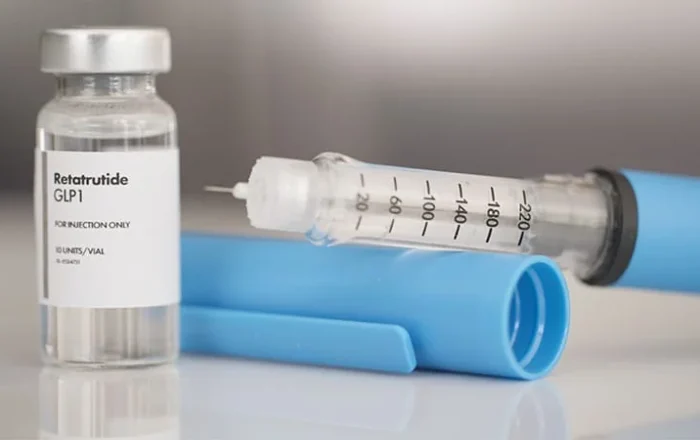
Retatrutide Price UK: What 144 Suppliers Reveal About the Market
Retatrutide Price UK: What 144 Suppliers Reveal About the Market There is a specific moment in any unfamiliar market where the price…
Retatrutide Price UK: What 144 Suppliers Reveal About the Market There is a specific moment in any unfamiliar market where the price…
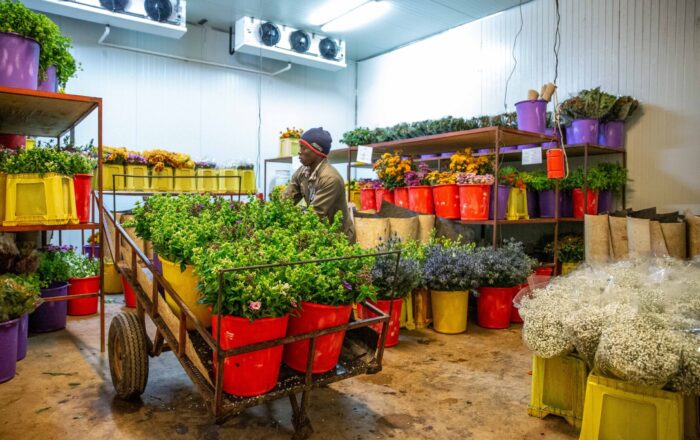
Maintaining floral freshness requires far more than aesthetic care. Commercial floriculture relies on rigorous post-harvest physiological management to slow down senescence, control respiration rates, and prevent mechanical tissue breakdown. At the heart of this discipline lies an unbroken low-temperature logistics cycle. Leading distribution platforms such as Krokus.lv emphasize that thermal deviations during transit remain the primary cause of premature petal wilt and structural vascular embolism. Understanding the biological mechanisms behind temperature fluctuation reveals why contemporary cold chain engineering is indispensable for commercial cut flower logistics. The Physiological Foundations of Post Harvest Cooling Once a rose stem is severed from its primary root architecture, its cellular clock accelerates. Cut roses instantly shift from autotrophic production to reliance on stored carbohydrates, primarily starch and hexose reserves contained within the vascular stem tissues. As ambient temperature climbs, cellular respiration rates double with every ten-degree Celsius increase, depleting vital energy reserves needed to unfurl petals evenly. Pre-cooling protocols mitigate this deterioration by extracting field heat immediately following harvest. Rapid forced-air cooling lowers internal stem core temperatures to between one and three degrees Celsius. At this baseline, enzymatic breakdown of sugars drops significantly, while endogenous ethylene gas production stays minimal. Maintaining this low metabolic rate guarantees that floral stems enter the international and regional supply chain with their carbohydrate reserves intact, ready to resume gentle opening only after placement in water by the consumer. Thermal Stability Across Urban Courier Fleets Long-haul reefer containers manage bulk floral transport with automated climate controls, yet the final urban transit stage poses the steepest challenge to product integrity. City couriers deal with fluctuating outdoor temperatures, frequent vehicle door openings, and erratic microclimates inside cargo bays. Without specialized temperature mitigation strategies, premium stems suffer rapid thermal shock, triggering condensation on petal surfaces and fostering conditions ideal for Botrytis cinerea fungal development. Modern logistics coordinators counter these variables by deploying calibrated insulated carriers paired with targeted phase-change cooling packs. When managing specialized northern European fulfillment operations, providers offering expert rožu piegāde Rīgā rely on modified active-insulation systems that shield stems against harsh winter freezes as well as sweltering summer asphalt heat. These vehicles maintain ambient internal envelopes between four and seven degrees Celsius, shielding delicate cut blooms from moisture loss while protecting cellular wall turgor throughout final transit. Hydration Protocols and Protective Transit Packaging Temperature control is only half of the biological preservation equation. Vascular hydration during movement dictates whether a rose neck droops or stays upright upon delivery. Cut stems are highly susceptible to xylem embolism, a physiological condition where ambient air enters water-conducting pathways, forming micro-bubbles that obstruct future fluid uptake. For high-demand varieties like premium long-stemmed reds, courier handling standards must be exacting. Regional services specialized in delicate sarkanas rozes ar kurjeru dispatch stems packaged in vertical suspension structures that eliminate horizontal friction and preserve delicate bloom geometry. These physical safeguards, combined with consistent hydration reservoirs, ensure that stems reach their destination in peak physiological condition. Consumer Transition and Vase Life Optimization The cold chain concludes when floral shipments transfer into domestic interior spaces, a shift requiring careful acclimation. Moving stems straight from cold containers into hot, sunlit rooms triggers thermal shock and rapid moisture loss, as leaf stomata open faster than xylem channels can hydrate them. A gradual temperature transition in a shaded room allows flower vascular tissues to adjust smoothly. Recutting stem bases by two centimeters under clean running water removes clogged xylem ends and expels air pockets formed during transit. When combined with balanced floral food solutions containing sucrose, citric acid, and mild sanitizing agents, properly preserved cut roses easily provide seven to twelve days of vase vibrancy. The harmony of strict cold chain procedures and delicate final courier handling proves that scientific logistics forms the true backbone of lasting floral beauty.

Short-term trading is as much a test of psychology as of analysis. Fast trades, flashing results and instant feedback create conditions where predictable mental biases take over. Knowing them is the first defence. Loss aversion Research in behavioural economics shows that losses feel roughly twice as painful as equivalent gains feel good. After a loss, traders often take bigger risks to “get back to even”. The gambler’s fallacy After five losing trades, it is tempting to believe a win is “due”. Each short-term price movement is largely independent, so past results do not change the odds of the next trade. Overconfidence after a winning streak A few wins in a row can feel like skill. Often it is variance. Overconfident traders increase stakes just before the streak ends. Revenge trading Anger after a loss leads to rushed, oversized trades. This pattern is one of the fastest ways to empty an account. Near-miss effect When a trade loses by a tiny margin, the brain treats it almost like a win, encouraging another attempt. Very short expiry products produce many near misses. Why product design matters Binary options combine fast results, small stakes and game-like interfaces. These features amplify the biases above. It is one reason regulators restricted the products for retail clients. Practical defences Learn the basics first Before risking money, understand how binary options work, including payouts, expiry and break-even rates. Knowledge does not remove the biases, but it makes them easier to recognise. Final thought The market does not care how you feel. The more your plan is decided before you trade, the less room your emotions have to make decisions for you.
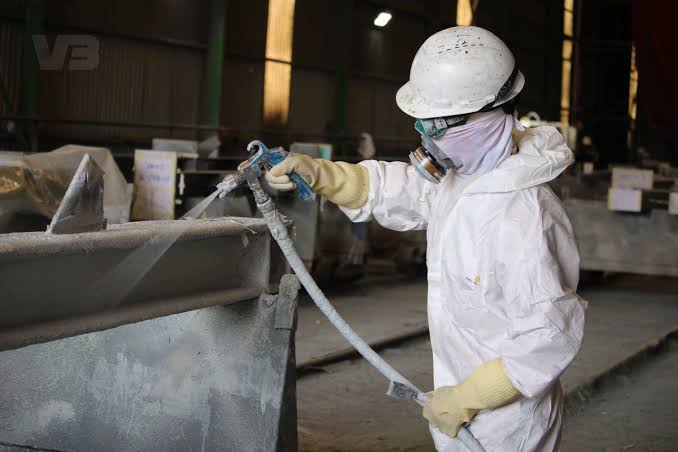
A vehicle wrap can look deceptively simple once it’s finished. The surface is smooth, the graphics are sharp, and the branding seems…

Moving interstate from Sydney involves more than simply transporting furniture from one property to another. Long-distance moves require careful planning, suitable packing,…

Transforming your home is one of the most exciting — and significant — investments you will ever make. Whether you are adding…

There’s a certain point in every business journey where things feel… settled. Not stagnant, exactly. Just stable. Predictable. You know how the…

Dans l’écosystème dynamique des néobanques et des courtiers en ligne, la rapidité d’information est le nerf de la guerre. Trade Republic, en…

Technology has indeed transformed the ways in which people invest today. What once required visiting a broker’s office or making phone calls…

As India’s financial landscape evolves, HDFC SKY emerges as a game-changer in margin trading. This innovative platform from HDFC Bank offers a…