Boosting Customer Retention Through H Loyalty Gamification Strategies
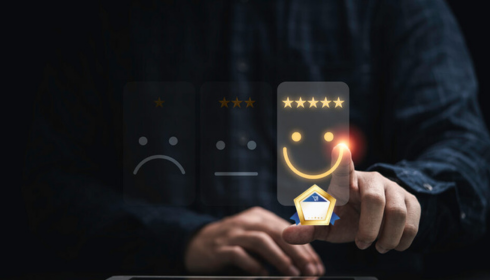
In today’s competitive digital landscape, businesses are increasingly adopting gamified loyalty programs to improve customer engagement, boost repeat purchases, and build stronger emotional connections with their audience. This article explores how gamification transforms traditional loyalty models, enhancing both brand experience and consumer satisfaction.
In the fast-paced world of eCommerce, simply offering points for purchases is no longer enough. Modern consumers crave interaction, entertainment, and personalization. Enter loyalty gamification, a powerful approach that blends the psychology of gaming with loyalty marketing to keep users engaged and coming back for more.
What Is Gamification in Loyalty Programs?
Gamification refers to the application of game mechanics—such as challenges, points, badges, levels, and leaderboards—in non-game environments. In the context of loyalty programs, this means making customer engagement more rewarding and fun. The idea is to motivate users through challenges and incentives that encourage brand loyalty.
Unlike traditional models that reward purchases only, gamification loyalty programs reward a wide range of actions such as writing reviews, sharing on social media, referring friends, or completing profile information.
Why Businesses Are Shifting to Gamified Loyalty Models
The shift toward gamification isn’t just a trend; it’s driven by measurable benefits. Studies show that gamified experiences increase user engagement by up to 50%, with higher retention rates and more frequent interactions.
Some key advantages include:
- Emotional engagement: Games trigger dopamine release, making users feel rewarded beyond monetary gain.
- Data collection: Encouraging interaction helps businesses gather valuable first-party data.
- Brand differentiation: Innovative loyalty structures stand out in saturated markets.
- Customer lifetime value: More engaged customers are more likely to buy again and spend more over time.
Examples of Gamified Loyalty Program Elements
- Point Challenges: Customers earn extra points for completing actions within a timeframe (e.g., “Buy 3 times this month and earn bonus points”).
- Levels/Tiers: Achieving higher ranks unlocks new benefits or exclusive access.
- Spin-to-Win Wheels: Adds randomness and excitement to point redemption or sign-up actions.
- Daily Tasks: Encourages repeat visits with small daily incentives.
- Leaderboards: Taps into competitive instincts by showcasing top customers.
These mechanics make the program feel dynamic and interactive rather than static and transactional.
H Loyalty Gamification: A Next-Level Approach
Some platforms are taking gamification to the next level with highly customizable tools. For example, H Loyalty integrates powerful engagement triggers such as digital scratch cards, virtual badges, and real-time rewards to drive continuous customer interaction.
Through advanced analytics, businesses can monitor performance and tweak campaigns for better ROI. Plus, it seamlessly connects with eCommerce platforms, making it easy to deploy campaigns across web, mobile, and email channels.
One standout feature of this approach is its adaptability. Whether you’re running a fashion store, a food delivery app, or a fitness brand, H Loyalty’s tools can be tailored to your audience’s habits and desires.
The Psychology Behind It All
What makes gamified loyalty programs so effective is their alignment with human behavior. They tap into intrinsic motivators like achievement, competition, and curiosity. Customers aren’t just earning points—they’re leveling up, beating challenges, and feeling a sense of progress.
This kind of emotional investment is hard to achieve with conventional systems and significantly boosts long-term loyalty.
Tips for Creating a Successful Gamification Loyalty Strategy
- Know Your Audience: Understand what excites and motivates them.
- Keep It Simple: The system should be easy to understand and use.
- Balance Fun with Function: Avoid gimmicks and focus on meaningful rewards.
- Promote Regularly: Keep users informed with emails, popups, and reminders.
- Measure & Optimize: Use analytics to see what’s working and improve over time.
Final Thoughts
As consumer expectations evolve, so must loyalty programs. Businesses that embrace gamification loyalty program models are not only capturing attention—they’re creating memorable brand experiences. By blending entertainment with engagement, gamified loyalty platforms offer a win-win scenario for both companies and customers.