How Is Mica Band Heater Price Affected by Custom Dimensions?
Pricing for industrial heating components rarely follows a simple formula. Small dimensional changes can shift material use, labor effort, and production flow in ways buyers do not always see upfront. That reality becomes especially clear when evaluating how custom sizing influences mica band heater price.
Longer Bands Cost More Due to Extra Mica and Metal Materials
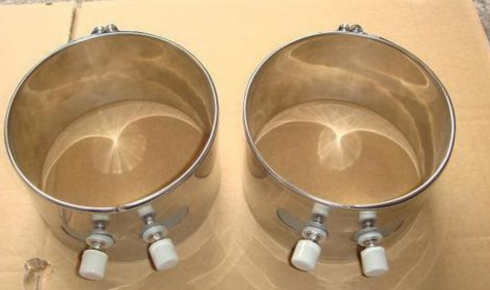
Length is one of the most direct drivers of cost for mica band heaters. A longer band requires more mica insulation layers, additional resistance wire, and extended metal sheathing. Each added inch increases raw material consumption, which directly raises manufacturing cost before labor is even considered. Beyond materials, longer mica band designs also increase assembly complexity. Maintaining consistent heat distribution over a greater surface area requires careful placement of internal components. This added attention contributes to higher mica band heater price compared to standard-length units.
Wider Heater Sizes Raise the Price with Added Production Time
Width changes introduce a different challenge. Wider mica band heaters must accommodate broader heating zones while maintaining electrical efficiency. This often means adjusting internal layouts, which takes additional setup time during production. Production lines optimized for standard widths slow down when wider dimensions are introduced. More handling steps and longer assembly cycles add to labor hours. As a result, wider mica band configurations typically cost more even if the overall diameter remains unchanged.
Tight Tolerance Custom Fits Require More Precision Labor
Custom dimensions often come with tighter fit requirements. A heater that must match a specific barrel or cylinder with minimal clearance demands precise forming and finishing. Any deviation can reduce performance or cause installation issues. Precision labor increases cost because skilled technicians must measure, adjust, and inspect each unit carefully. Unlike standard mica band heaters produced in batches, tight-tolerance units move through more checkpoints, which is reflected in the final price.
Unusual Inner Diameters Increase Tooling Complexity and Cost
Non-standard inner diameters frequently require custom tooling. Standard forming tools may not achieve the correct curvature or alignment for unusual sizes. Creating or modifying tooling adds upfront expense that is often allocated to the heater order. Even after tooling is prepared, production runs may remain slower. Operators must monitor forming closely to avoid distortion. This combination of tooling investment and reduced efficiency contributes to a higher mica band heater price for uncommon diameters.
Specialty Alloys for Unique Diameters Add to Overall Expense
Certain custom dimensions demand alternative alloys to maintain strength or heat transfer. For example, thin-walled or oversized heaters may need upgraded metals to prevent warping during operation. Specialty alloys cost more than standard materials and can be harder to source. Handling these metals may also require different fabrication techniques. These factors combine to increase the overall cost of custom mica band heaters designed for unique applications.
Custom Lead Lengths and Connectors Influence Final Pricing
Electrical connections are another variable tied to custom dimensions. Longer bands or unusual mounting positions often require extended lead wires or specialized connectors. These components must be rated for heat exposure and mechanical stress. Custom leads increase both material and labor costs. Technicians must route, secure, and test each connection individually. While these adjustments improve installation flexibility, they also raise the final mica band heater price.
Extra Testing for Bespoke Sizes Adds Time and Fee Overhead
Standard heaters typically follow routine testing protocols. Custom-dimension heaters often require additional checks to verify electrical resistance, insulation integrity, and heat output consistency. This extra testing takes time and specialized equipment. Each test adds overhead that accumulates across production. Buyers may not see these steps, but they play a role in ensuring performance and safety, which influences pricing.
One-off Orders Lack Volume Discounts, Lifting Unit Price
Quantity has a strong impact on pricing. One-off or low-volume custom orders miss out on efficiencies gained through repetition. Setup time, tooling costs, and administrative effort are spread across fewer units.
Without volume discounts on materials or labor, the unit price rises. This is why a single custom mica band heater often costs significantly more than a standard model ordered in bulk.
Fast-turn Custom Requests Often Include Rush Production Fees
Time pressure adds another layer to pricing. Fast-turn custom requests may require rescheduling production lines, prioritizing labor, or expediting material procurement. These disruptions increase operational costs.
Rush production also reduces flexibility for quality control pacing. To compensate, manufacturers apply additional fees. These charges reflect the real cost of meeting aggressive timelines for custom mica band heaters. Understanding how custom dimensions affect pricing helps buyers plan more effectively. Thermal Corporation designs heating products with custom dimensions that match exact equipment requirements, ensuring proper fit, consistent heat transfer, and dependable performance.