Water quality affects more of daily life than most people realize. It shows up in the way laundry feels after washing, how quickly shower doors collect cloudy marks, and whether a glass of tap water tastes fresh. Sometimes the problems are obvious. Other times, they’re easy to mistake for ordinary household wear and tear.
When these issues keep returning, treating water at just one tap may not be enough. A whole-home approach can offer a more consistent solution, provided the equipment matches the actual condition of the water. Before investing in a system, it helps to understand what these products do, how they differ, and what your home genuinely needs.
Understanding Whole-Home Water Treatment
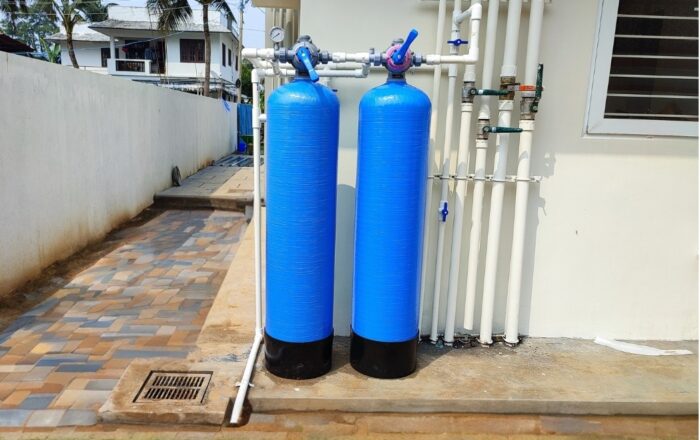
Unlike a small filter installed beneath a kitchen sink, a whole-home system treats water as it enters the property. This means the treated supply can reach showers, bathroom faucets, laundry equipment, and other connected fixtures. The exact results depend on the technology installed and the substances it is designed to reduce.
Homeowners often explore whole home water treatment systems because they want to address recurring water problems throughout the house rather than manage them one fixture at a time. For example, if sediment keeps clogging faucet aerators or iron leaves reddish marks around several sinks, a point-of-entry treatment system may be worth investigating.
However, there is no single unit that removes every possible contaminant. Some systems focus on sediment, others reduce chlorine or certain compounds affecting taste and odor, while specialized equipment addresses hardness minerals or particular contaminants. A system advertised as comprehensive may still have limitations.
That’s why water testing should come before shopping. Test results provide a clearer picture of what is present and help narrow down the treatment options. If your water comes from a public utility, its water quality report is a useful starting point. Private well owners should arrange appropriate testing regularly, even if the water looks perfectly clear.
What Whole-Home Filtration Can Actually Do
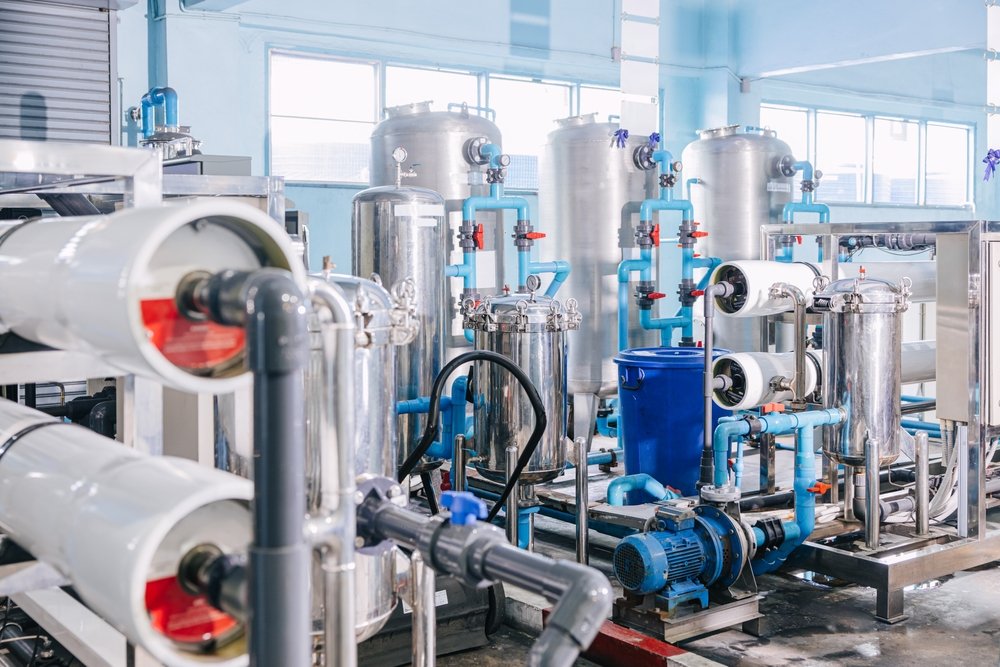
The phrase filtration can mean several different things, which is part of the confusion. A basic sediment filter captures suspended particles such as sand, rust, and debris. Activated carbon filters can reduce chlorine and certain substances responsible for unpleasant tastes or odors. Other filtration technologies target specific contaminants and work differently.
Choosing whole home filtration makes sense when the goal is to improve water quality across multiple fixtures. Depending on the system, it may help reduce unwanted particles, improve the smell of shower water, or address particular substances identified during testing.
Still, performance matters more than the number of stages listed on a product page. A five-stage filter isn’t automatically better than a two-stage unit. What counts is whether the equipment has been tested for the substances you need to address, whether it can handle your household’s water demand, and how consistently it performs.
Look for credible certification and clearly stated reduction claims. If a manufacturer says its system removes a contaminant, check whether that specific claim is supported by independent testing. Broad marketing phrases can sound reassuring, but precise information is much more useful when you’re making a long-term purchase.
It’s also worth considering flow rate. A filter that works well at a kitchen tap may not supply enough water for several showers and appliances operating at once. Whole-home equipment needs to suit the plumbing layout and the number of people living in the house.
When Hard Water Calls for a Different Solution
Filtration and water softening are often discussed together, but they solve different problems. Hard water contains dissolved calcium and magnesium. These minerals can leave chalky marks on faucets, build deposits inside kettles, and reduce the effectiveness of soap.
A system designed specifically for hardness can make everyday cleaning easier. In many conventional systems, ion exchange reduces calcium and magnesium by exchanging them for sodium or potassium ions. The equipment then regenerates periodically to restore its treatment capacity.
For households dealing with recurring mineral deposits, water softeners can be a practical option. They may help reduce scale formation in water heaters, washing machines, and other water-using equipment. People also often notice that soap lathers more easily and glassware is less prone to mineral spotting.
But softeners aren’t universal filters. They do not automatically remove bacteria, pesticides, or every dissolved chemical. If the water has multiple issues, you may need separate treatment stages selected for each concern.
Before installing a softener, measure the water hardness and consider daily usage. An oversized unit may cost more than necessary, while an undersized one may regenerate too frequently or struggle to keep up with demand. A knowledgeable installer can help calculate the appropriate capacity based on your test results and household requirements.
Finding the Right Combination for Your Home
Some homes need only one treatment method. Others benefit from a combination of equipment, especially when the water contains both hardness minerals and another substance that affects quality.
Imagine a household where bathroom fixtures develop white deposits, but drinking water also has an unpleasant chlorine taste. A softener may address the hardness, while a suitable carbon filter could improve taste and odor. If testing reveals sediment or another contaminant, the treatment plan may need additional equipment.
The important thing is to avoid adding stages simply because they sound advanced. Every extra component can mean more installation work, replacement costs, and maintenance. A carefully selected system is often easier to manage than a complicated setup assembled without a clear purpose.
Ask a few practical questions before making a decision. What does the water test show? Which contaminants or minerals will the system reduce? How much water can it treat at normal household flow rates? What parts need replacing, and how often? Will installation require plumbing changes or a drain connection?
These details may not be as exciting as comparing product features, but they help determine whether the equipment will work well after the installer has left.
Maintenance Is Part of the Investment
Even a high-quality treatment system needs regular care. Filters eventually collect particles or reach the end of their useful life. Softening systems may require salt replenishment, periodic checks, and adjustments to their settings. Some equipment also needs professional servicing.
Follow the manufacturer’s instructions rather than waiting until water pressure drops or the original problem returns. Keep track of filter replacement dates and schedule service when required. If water quality changes suddenly, investigate the cause instead of assuming the treatment system will automatically correct it.
Installation quality matters, too. Poorly fitted connections can leak, and an incorrectly sized system may restrict water flow. Choose a qualified professional when the work requires plumbing modifications or specialist setup.
A Smarter Way to Improve Household Water
Good water treatment starts with understanding, not buying. Identify the problems you want to solve, arrange suitable testing, and compare systems based on documented performance. Consider the installation cost alongside maintenance, replacement parts, and expected operating expenses.
Remember that clearer water isn’t always safer water, and no single system should be assumed to remove every unwanted substance. If test results reveal a specific health-related contaminant, select equipment verified for that contaminant and follow relevant professional guidance.
The best setup is the one that fits your water supply, your home’s plumbing, and the way your household uses water. It should solve real problems without adding unnecessary complexity.
With the right information, whole-home treatment can make daily routines easier and help you manage recurring water quality concerns more confidently. A little research at the beginning can prevent expensive guesswork later—and that is a worthwhile improvement for any home.