A Flexible Weekly Meal Plan That Makes the Shopping List Work Harder
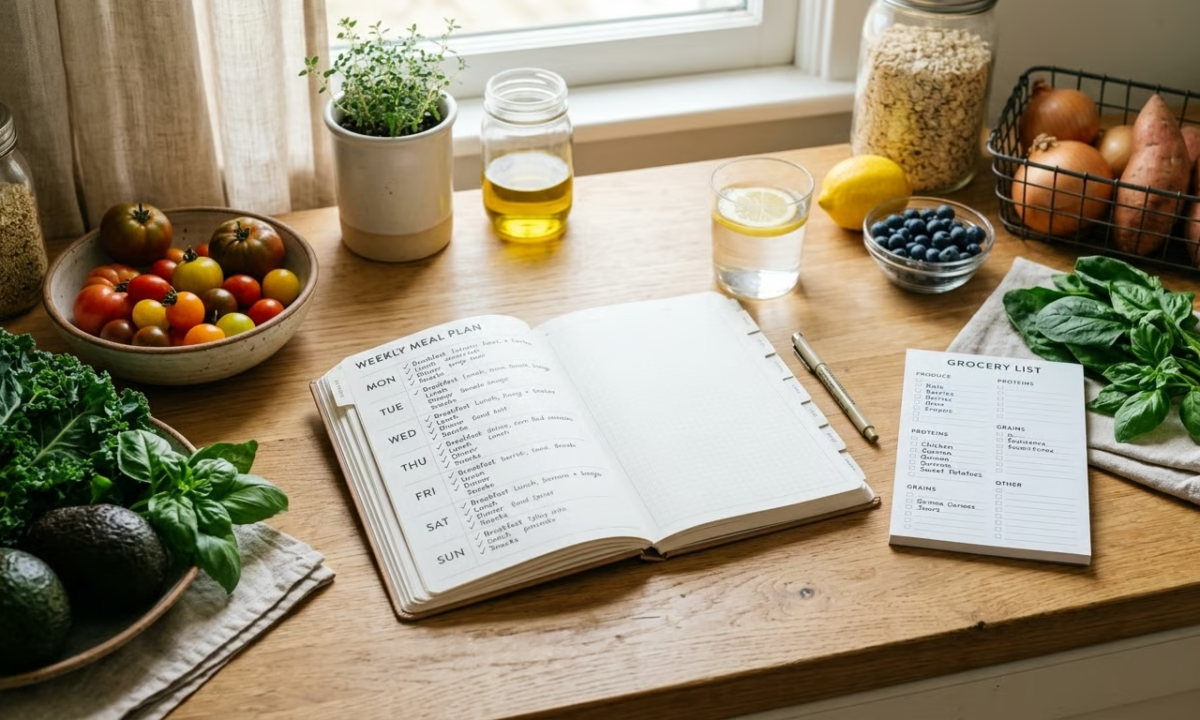
A full shopping basket can still leave you wondering what to cook on Wednesday. The missing connection is often between the ingredients you buy and the meals you expect them to become. A weekly plan makes that connection visible, without requiring seven elaborate dinners or an entire Sunday spent preparing food. Give the calendar a say Start with the evenings that already have commitments. A late meeting calls for a different dinner from a quiet afternoon at home. Mark meals out before choosing recipes, and leave an evening flexible if your plans are uncertain. Choose a few dishes you already enjoy, then add one new idea from Yemek Tarif if you want variety. Include the preparation and waiting involved when deciding where it belongs. A recipe that needs patient attention may suit Saturday better than your busiest weekday. Keep one straightforward standby meal in mind for a changed evening. Its ingredients should be familiar and easy to keep available, so choosing it does not require another shopping trip or a complicated new recipe. Write down what is already there Open the refrigerator, freezer, and cupboard before making a shopping list. Notice the half packet of lentils, the yogurt you opened, and the vegetables waiting in the drawer. Check their condition and dates, then build meals around suitable ingredients you need to use. The legume recipes include green lentil stew and dishes based on beans. Such ideas can give an overlooked cupboard staple a clear place in the week. Check the full recipe before assuming that the remaining ingredients are already covered. Connect meals through ingredients Buying a bunch of parsley for a single garnish leaves most of it without a purpose. Plan another use, such as a bean salad or a yogurt dressing, before putting it on the list. Think about how each opened package will fit the meals ahead. For another evening, pasta recipes offer combinations with vegetables, tomato sauces, and yogurt. Match a dish to ingredients already assigned elsewhere. Reusing an ingredient can still produce a different meal when the sauce, texture, or accompaniments change. Compare the complete shopping cost A recipe with an inexpensive main ingredient can become costly if it requires several unfamiliar sauces or spices. Look at the total additions to your basket, including quantities sold only in large packs. A lower unit price helps only when you have a realistic use for the amount purchased. Write quantities on the list and group items by shop section. Estimate portions from what your household usually eats. If lunch needs planning too, include it explicitly instead of hoping that every dinner will conveniently leave enough. Let next week learn from this one At the end of the week, check what remained unused and which dinner took too much effort. Move suitable unused ingredients into the next plan before buying more. Keep the meals that worked, and change the ones that repeatedly collided with your schedule. You can also spread preparation across several days. Measure tomorrow’s spices while tonight’s sauce simmers, or write the next shopping list while checking the cupboard. Small jobs are easier to fit around a week that rarely unfolds exactly as expected.