Blog

  • Steps a Skilled Ingrown Toenail Doctor Uses to Ease Discomfort Quickly

    Steps a Skilled Ingrown Toenail Doctor Uses to Ease Discomfort Quickly

    Foot pain often interrupts daily life faster than people expect, especially when pressure builds along the edge of a toenail. Relief depends on more than removing the visible problem, as proper care addresses what caused the discomfort in the first place. A trained specialist follows a clear process that reduces pain quickly while protecting the toe from further irritation.

    Careful Examination to Locate Pressure Points Along the Nail Edge

    An experienced ingrown toenail doctor begins by closely inspecting the nail, surrounding skin, and toe alignment. Subtle pressure points often hide beneath swelling or redness, making visual checks and gentle palpation necessary. Identifying where the nail presses into the skin allows the doctor to target treatment instead of relying on guesswork.

    Beyond the nail itself, the surrounding tissue tells an important story. Changes in skin texture, warmth, or sensitivity reveal how long the problem has been developing. This step helps determine whether simple ingrown toenail removal will be enough or if deeper correction is needed to prevent repeat discomfort.

    Local Numbing Applied to Prevent Unnecessary Pain

    Pain control is addressed early so the patient can remain relaxed throughout the procedure. A local anesthetic is applied carefully to numb the affected toe while preserving circulation. This approach allows the ingrown toenail removal doctor to work precisely without causing distress. Effective numbing also prevents involuntary movement during treatment. Even slight reactions can increase irritation to already sensitive skin. Proper anesthesia creates a calm environment where the procedure can be completed efficiently and safely.

    Gentle Lifting of the Nail to Relieve Skin Compression

    Once the area is numb, the doctor carefully lifts the nail edge away from the inflamed skin. This step immediately reduces pressure, which is often the main source of pain. Specialized tools are used to avoid tearing or stretching the surrounding tissue.

    Releasing this compression allows blood flow to normalize in the affected area. Swelling often decreases shortly after the pressure is removed, giving the toe a chance to begin healing before further corrective steps are taken.

    Precision Trimming to Remove Embedded Nail Segments

    Precision trimming removes the section of nail that has grown into the skin. This is done in controlled increments rather than cutting large portions at once. The goal is to eliminate the embedded segment while preserving as much healthy nail as possible.

    Careful trimming also shapes the remaining nail edge to reduce the chance of sharp regrowth. For patients searching for ingrown toenail removal near me, this level of detail often separates temporary relief from lasting results.

    Debris Clearing to Reduce Inflammation Buildup

    Inflammation is often worsened by trapped debris beneath the nail edge. Skin cells, bacteria, and moisture can collect in the affected area, increasing irritation. Clearing this buildup allows the skin to settle and respond better to treatment.

    Removing debris also improves the effectiveness of later steps. Clean tissue absorbs antiseptic solutions more evenly, lowering the chance of lingering redness or prolonged soreness after ingrown toenail removal Huntsville AL procedures.

    Antiseptic Treatment to Lower Infection Risk

    After the nail and surrounding area are cleared, antiseptic treatment is applied. This step reduces surface bacteria that could lead to infection during the healing phase. Even minor breaks in the skin can allow bacteria to enter, making this protection essential.

    The antiseptic also calms irritated tissue by reducing microbial activity. This helps the toe recover more comfortably and minimizes the risk of complications that could delay healing.

    Protective Dressing Placed to Support Healing

    A protective dressing shields the toe from friction and external pressure after treatment. The dressing is applied to allow airflow while still guarding the sensitive area. Proper coverage prevents rubbing inside shoes and reduces the chance of reopening the treated site.

    Dressings also help absorb minor drainage that can occur shortly after the procedure. Keeping the area clean and covered supports steady healing without restricting normal movement.

    Pressure Relief Guidance Given for Daily Activities

    After treatment, patients receive guidance on reducing pressure during daily activities. Footwear choices, walking habits, and even posture can influence how the toe heals. Adjustments help prevent renewed irritation while the skin recovers.

    This guidance is especially helpful for active individuals or those who spend long hours standing. Following these recommendations reduces stress on the toe and supports long-term comfort beyond the initial ingrown toenail removal.

    Follow-up Care Instructions to Prevent Recurrence

    Preventing recurrence requires attention after the procedure is complete. Instructions often include proper nail trimming techniques and skin care habits that support healthy nail growth. Small changes in routine can significantly lower the chance of future problems.

    Monitoring the toe during the healing period also helps identify early signs of regrowth issues. Patients seeking a Huntsville ingrown toenail doctor often benefit from structured follow-up that reinforces good habits and protects results, and The Foot Clinic offers support for patients needing professional care throughout this process.


  • Understanding Indian Satta and the Significance of Kalyan Result in Today’s Gaming Landscape

    Understanding Indian Satta and the Significance of Kalyan Result in Today’s Gaming Landscape

    In India’s vast world of betting and number games, few names evoke as much recognition and nostalgia as Indian Satta. A mix of chance, intuition, and tradition, this form of gambling has captured the attention of countless players over decades. Among the various games that fall under the Satta umbrella, the Kalyan result remains one of the most influential and sought-after outcomes.

    Let’s dive deeper into the roots, evolution, and cultural impact of Indian Satta, with a special focus on the Kalyan market and how players interact with its results.


    The Roots of Indian Satta

    The term “Satta” is derived from the Hindi word for “betting” or “gambling.” indian satta has its origins in pre-independence India, but the modern version as we know it today took shape in the 1960s. What began as betting on the opening and closing rates of cotton from the New York Cotton Exchange evolved into a more localized and organized format — eventually becoming a number-based lottery game.

    Over the decades, Satta transformed into a structured yet underground business, attracting participants from various walks of life. Though illegal in most parts of India, it still thrives in the shadows, with dedicated websites, mobile apps, and a loyal base of regular players.


    What Makes Kalyan Matka So Popular?

    The Kalyan Matka, started by Kalyanji Bhagat in 1962, became the cornerstone of the Indian Satta market. Unlike other betting games of the time, the Kalyan Matka offered flexibility and openness — it ran every day of the week, making it more accessible to working-class individuals and others who relied on the game for excitement and hope.

    The Kalyan market offers two draws each day: the opening and the closing. The thrill of waiting for the Kalyan result and analyzing patterns has become a ritual for many players. Over the years, players have developed unique techniques, charts, and “tips” to guess the winning number — though the game is ultimately based on luck.


    Kalyan Result: More Than Just Numbers

    For regular players, the kalyan result is not just a random outcome; it’s a moment of anticipation, speculation, and sometimes, celebration. Daily result announcements spark discussions across WhatsApp groups, online forums, and local communities. Enthusiasts track historical data, compare number trends, and even consult so-called Satta experts for predictions.

    With the rise of digital platforms, accessing the Kalyan result has become easier than ever. Many websites and mobile applications provide real-time updates, charts, and archives, allowing players to engage more deeply with the game.


    Social and Cultural Perspectives

    Despite its popularity, Indian Satta has its share of criticism. Many view it as a form of addiction that affects low-income individuals the most. The lure of quick money can lead people into debt and social distress. That’s why there have been continuous efforts by authorities to clamp down on illegal gambling networks.

    However, others argue that if regulated, Satta could be a source of revenue and employment, much like state lotteries and online gaming platforms that operate under legal frameworks.


    Responsible Engagement and the Future

    The future of Indian Satta, especially with growing digitization and changing legal landscapes around gaming, is uncertain. However, one thing is clear: its cultural relevance and the deep connection it holds with its followers won’t fade anytime soon.

    For those who engage with it, understanding the risks, practicing responsible play, and avoiding addiction are crucial. The Indian Satta world may offer excitement, but it should never come at the cost of one’s financial or emotional well-being.

    As for the Kalyan result, it continues to symbolize the heartbeat of the Matka world — a single outcome that can change fortunes or serve as a lesson in patience and probability.


    Conclusion

    From its underground roots to its thriving digital presence, Indian Satta and the Kalyan result continue to be powerful elements in the realm of unofficial lottery gaming in India. Whether you’re a curious observer or an active participant, understanding the history, systems, and social implications of these games can offer valuable insights — not just into the game, but also into the culture that surrounds it.

  • Unlocking the World of Indian Matka and Final Ank: A Traditional Game with Modern Appeal

    In the heart of India’s vast gaming culture lies a mysterious yet thrilling numbers game that has captivated millions over the decades — indian matka. What once began as a simple betting game in the pre-independence era has now transformed into a full-fledged industry with both online and offline platforms driving its resurgence.

    Let’s take a deeper dive into this fascinating game, its cultural significance, how final ank plays a key role, and why it continues to intrigue players across generations.


    The Origins of Indian Matka

    Indian Matka, also known as Satta Matka, originated in the 1960s when people started betting on the opening and closing rates of cotton transmitted from the New York Cotton Exchange to the Bombay Cotton Exchange. As this practice evolved, it adapted into a more number-based format, with players picking numbers from a matka (earthen pot), giving birth to the name “Matka.”

    What makes Matka so unique is its deeply rooted Indian origin. Unlike western lotteries or casino games, Indian Matka carries with it a blend of tradition, suspense, and local pride. Over the years, it has become more streamlined, introducing terms like single, Jodi, Patti, and of course, final ank.


    Understanding Final Ank in Matka

    Among the various terms used in Matka, final ank holds critical importance. It refers to the single-digit number derived from the total of selected numbers in a bet. This final digit often determines the winning combination and is used by seasoned players as a core prediction metric.

    For example, if the drawn numbers are 2, 3, and 5, their total is 10, making the final ank “0” (only the last digit is used). It might sound simple, but guessing or calculating the right final ank involves a mix of pattern recognition, past results, and sometimes pure luck.

    Many players rely on charts and historic data to analyze final ank patterns. This process is what makes the game intellectually stimulating for some, while retaining its thrill and unpredictability for others.


    How the Game Works Today

    Modern Indian Matka has transitioned largely to online platforms. Gone are the days of manually drawing numbers from pots in hidden locations. Today’s players use websites and apps to place their bets in a safer and more controlled environment.

    These platforms often come with real-time updates, chart analysis, guessing forums, and live result announcements. This digitization has not only expanded the reach of the game but has also made it more organized and transparent.

    Games such as Kalyan Matka, Milan Day, Rajdhani, and Main Mumbai continue to dominate the space, with thousands of players engaging daily. Each has its own timing, format, and strategy, making the world of Indian Matka rich and diverse.


    Legality and Responsible Gaming

    It’s important to understand that Indian Matka is considered illegal in many parts of India under current gambling laws. However, there are grey areas when it comes to online gaming platforms operating from outside the country.

    Regardless of its legal status, responsible gaming is essential. Set limits, treat it as a form of entertainment rather than income, and avoid falling into addiction traps. Many Matka platforms also provide disclaimers and promote responsible gambling practices.


    Why Indian Matka Still Thrives

    Despite the controversies and legal gray zones, Indian Matka has a loyal following. Here’s why it continues to thrive:

    • Cultural roots: It’s not just a game, but part of local lore and community conversation.
    • Quick results: Players get outcomes within minutes or hours — no waiting for weeks like in traditional lotteries.
    • Strategic play: For some, it’s not about luck but pattern recognition and number analysis.
    • Digitization: Easy online access has opened up the game to a new generation.

    Final Thoughts

    Whether you’re a seasoned player or someone curious about Indian betting games, understanding the mechanics of Indian Matka and mastering the final ank could offer you an exciting blend of tradition and thrill. However, it’s always crucial to play with awareness, responsibility, and within your limits.

  • Expert Roofing Services That Protect Your Home and Boost Curb Appeal

    Expert Roofing Services That Protect Your Home and Boost Curb Appeal

    When it comes to protecting your home from the elements, one of the most critical components is the roof. It’s your first line of defence against harsh weather, and it also plays a major role in the overall appearance and value of your property. Whether you’re building a new house or dealing with an old, leaky roof, finding the right Roofing Services is essential for long-term peace of mind.

    In this guide, we’ll walk you through everything you need to know about hiring a roofing service—from identifying your needs to choosing the best contractors for the job.


    Why Quality Roofing Matters

    Your roof does more than just cover your house. A well-maintained roof provides:

    • Protection from rain, snow, wind, and harmful UV rays
    • Energy efficiency by insulating your home properly
    • Increased home value through improved aesthetics and structural integrity
    • Peace of mind, knowing your home is secure and safe from water damage or pests

    Neglecting your roof can lead to costly issues down the road, such as mould growth, structural damage, or skyrocketing energy bills.


    Types of Roofing Services

    Professional roofing contractors offer a wide range of services. Understanding what you need will help you make better decisions.

    1. Roof Installation

    If you’re building a new home or adding a new structure, you’ll need a reliable team to install a roof from scratch. Common roofing materials include asphalt shingles, metal roofing, clay tiles, and slate, depending on your budget and aesthetic preference.

    2. Roof Repairs

    Even minor issues like a cracked shingle or a small leak can turn into a big problem. Timely repairs help you avoid expensive damage and maintain your home’s value.

    3. Roof Replacement

    If your roof is more than 20 years old or has extensive damage, it might be time for a full replacement. While this is a significant investment, it pays off in energy savings, home protection, and resale value.

    4. Roof Inspection and Maintenance

    Regular inspections help catch small issues before they worsen. Most roofing companies offer maintenance packages that include cleaning, sealing, and minor fixes to extend the life of your roof.


    How to Choose the Right Roofing Contractor

    Hiring the right professional makes all the difference. Here’s what to look for:

    • Licensed and Insured: Always work with a licensed contractor who carries insurance. This protects both you and the workers in case of accidents.
    • Experience: Look for a company with several years of proven success in your area. Experienced roofers understand local weather conditions and building codes.
    • Warranty and Guarantees: A trustworthy contractor will stand behind their work and offer warranties on both labour and materials.
    • Reviews and References: Check online reviews and ask for references to gauge the quality of their work and customer satisfaction.

    Benefits of Hiring Local Roofing Services

    Choosing a local roofing company offers several advantages:

    • Faster response time during emergencies
    • Better understanding of climate-specific roofing solutions
    • Support for your local economy
    • Easier to reach if issues arise after installation

    Sustainable Roofing Options

    If you’re environmentally conscious, consider eco-friendly materials like metal roofing (which is often made from recycled content), cool roofs that reflect sunlight, or even green roofs covered in vegetation. Not only are they better for the planet, but they can also reduce your energy costs.


    Final Thoughts

    A solid, reliable roof is one of the most important investments you can make for your home. Whether it’s for installation, repair, or replacement, working with skilled professionals ensures the job is done right the first time. Don’t wait until small issues become major problems—schedule an inspection or consultation today.

  • Пожарные лестницы: требования и ГОСТ

    Пожарные лестницы: требования и ГОСТ

    Обеспечение пожарной безопасности зданий и сооружений является приоритетной задачей в строительстве и эксплуатации. Одним из ключевых элементов эвакуационной инфраструктуры являются наружные пожарные лестницы. Их основная функция — предоставление возможности для эвакуации людей с верхних этажей в случае пожара, а также обеспечение доступа пожарных расчетов для проведения спасательных работ. Производство, монтаж и эксплуатация этих конструкций строго регламентируются государственными стандартами и нормативными актами, в первую очередь ГОСТ Р 53254–2009 и соответствующими СНиП. Нарушение этих требований не только создает угрозу для жизни людей, но и влечет за собой административную и уголовную ответственность.

    Классификация и нормативная база

    Согласно ГОСТ, наружные металлические пожарные лестницы подразделяются на два основных типа:

    1. П1 (Вертикальные): используются для подъема на высоту не более 20 метров.
      • П1-1: без ограждения (высота до 6 метров).
      • П1-2: С
      • с ограждением (высота от 6 до 20 метров).
    2. П2 (Маршевые): используются для подъема на высоту более 20 метров и обеспечивают более безопасную эвакуацию. Они имеют наклонные марши и горизонтальные площадки.

    Все элементы конструкции — от материалов до сварных швов и антикоррозийного покрытия — должны строго соответствовать проектной документации и стандартам.

    Ключевые требования к конструкции и материалам:

    • Материалы: для изготовления используется высокопрочный конструкционный металл (стальные профили, уголки, трубы). Все элементы должны быть защищены от коррозии. Наиболее распространенные методы защиты — горячее цинкование или нанесение специализированных антикоррозийных полимерных покрытий.
    • Размеры:
      • Ширина марша (П2): не менее 0,6 метра.
      • Ширина ступени (П1): не менее 0,5 метра.
      • Высота ограждения: не менее 1,2 метра для маршевых лестниц и 1,0 метр для ограждений кровли.
      • Шаг ступеней: не более 250 мм. Ступени должны быть рифлеными или иметь перфорацию для предотвращения скольжения.
    • Крепление: Лестницы крепятся к стене здания с помощью металлических кронштейнов, которые должны выдерживать заданные нормативные нагрузки. Места крепления не должны нарушать целостность несущих конструкций здания.

    Производственный процесс – от проекта до контроля

    Процесс изготовления пожарных лестниц начинается с детального проектирования, учитывающего архитектурные особенности здания и его высоту:

    1. Проектирование: на этом этапе создаются чертежи, проводятся расчеты нагрузок, определяется тип лестницы и ее точное расположение. Проект должен быть согласован с требованиями пожарной инспекции.
    2. Выбор материалов и раскрой: используется сертифицированный металлопрокат. Раскрой осуществляется с помощью высокоточного оборудования (например, лазерной или плазменной резки) для обеспечения идеальной геометрии элементов.
    3. Сварка: Сварные соединения выполняются квалифицированными сварщиками. Сварные швы являются критическим элементом и подлежат строгому контролю качества, так как именно они обеспечивают несущую способность конструкции.
    4. Антикоррозийная обработка: после сборки все металлические части обезжириваются и подвергаются антикоррозийной обработке. Качественное покрытие значительно увеличивает срок службы лестницы в агрессивных атмосферных условиях.
    5. Контрольная сборка и маркировка: перед отправкой на объект производится контрольная сборка секций. Каждый элемент маркируется для упрощения процесса монтажа на месте.

    Монтаж и испытания

    Не менее важным этапом, чем производство, является монтаж и последующая эксплуатация.

    Требования к монтажу:

    • Надежность крепления: Кронштейны должны быть закреплены на несущих стенах или каркасе здания. Используются анкерные болты, способные выдержать расчетные нагрузки.
    • Обеспечение доступа: Нижняя ступень лестницы должна находиться на расстоянии не более 1,5 метра от земли, но при этом должна быть обеспечена защита от несанкционированного доступа.
    • Соблюдение уклона (П2): Уклон маршевых лестниц не должен превышать 6:1 (30 градусов).

    Регулярные испытания:

    Пожарные лестницы должны проходить обязательные периодические испытания на прочность и надежность.

    1. Первичное испытание: проводится сразу после монтажа и ввода в эксплуатацию.
    2. Периодическое испытание: проводится не реже одного раза в пять лет.
    3. Ежегодное обследование: Визуальная проверка целостности конструкции, сварных швов и антикоррозийного покрытия.

    В процессе испытаний на конструкцию прикладывается нормированная нагрузка. Например, ступени испытываются статической нагрузкой в 1,5 кН (около 150 кг) в течение двух минут. Успешным считается испытание, если после снятия нагрузки не выявлено остаточных деформаций или трещин. По результатам испытаний составляется протокол, который является основным документом, подтверждающим безопасность лестницы.

    Качественное изготовление и строгий контроль на всех этапах — от проектирования до монтажа и испытаний — являются залогом того, что пожарные лестницы смогут выполнить свою функцию в критической ситуации.

  • Boosting Customer Retention Through H Loyalty Gamification Strategies

    Boosting Customer Retention Through H Loyalty Gamification Strategies

    In today’s competitive digital landscape, businesses are increasingly adopting gamified loyalty programs to improve customer engagement, boost repeat purchases, and build stronger emotional connections with their audience. This article explores how gamification transforms traditional loyalty models, enhancing both brand experience and consumer satisfaction.


    In the fast-paced world of eCommerce, simply offering points for purchases is no longer enough. Modern consumers crave interaction, entertainment, and personalization. Enter loyalty gamification, a powerful approach that blends the psychology of gaming with loyalty marketing to keep users engaged and coming back for more.

    What Is Gamification in Loyalty Programs?

    Gamification refers to the application of game mechanics—such as challenges, points, badges, levels, and leaderboards—in non-game environments. In the context of loyalty programs, this means making customer engagement more rewarding and fun. The idea is to motivate users through challenges and incentives that encourage brand loyalty.

    Unlike traditional models that reward purchases only, gamification loyalty programs reward a wide range of actions such as writing reviews, sharing on social media, referring friends, or completing profile information.

    Why Businesses Are Shifting to Gamified Loyalty Models

    The shift toward gamification isn’t just a trend; it’s driven by measurable benefits. Studies show that gamified experiences increase user engagement by up to 50%, with higher retention rates and more frequent interactions.

    Some key advantages include:

    • Emotional engagement: Games trigger dopamine release, making users feel rewarded beyond monetary gain.
    • Data collection: Encouraging interaction helps businesses gather valuable first-party data.
    • Brand differentiation: Innovative loyalty structures stand out in saturated markets.
    • Customer lifetime value: More engaged customers are more likely to buy again and spend more over time.

    Examples of Gamified Loyalty Program Elements

    1. Point Challenges: Customers earn extra points for completing actions within a timeframe (e.g., “Buy 3 times this month and earn bonus points”).
    2. Levels/Tiers: Achieving higher ranks unlocks new benefits or exclusive access.
    3. Spin-to-Win Wheels: Adds randomness and excitement to point redemption or sign-up actions.
    4. Daily Tasks: Encourages repeat visits with small daily incentives.
    5. Leaderboards: Taps into competitive instincts by showcasing top customers.

    These mechanics make the program feel dynamic and interactive rather than static and transactional.

    H Loyalty Gamification: A Next-Level Approach

    Some platforms are taking gamification to the next level with highly customizable tools. For example, H Loyalty integrates powerful engagement triggers such as digital scratch cards, virtual badges, and real-time rewards to drive continuous customer interaction.

    Through advanced analytics, businesses can monitor performance and tweak campaigns for better ROI. Plus, it seamlessly connects with eCommerce platforms, making it easy to deploy campaigns across web, mobile, and email channels.

    One standout feature of this approach is its adaptability. Whether you’re running a fashion store, a food delivery app, or a fitness brand, H Loyalty’s tools can be tailored to your audience’s habits and desires.

    The Psychology Behind It All

    What makes gamified loyalty programs so effective is their alignment with human behavior. They tap into intrinsic motivators like achievement, competition, and curiosity. Customers aren’t just earning points—they’re leveling up, beating challenges, and feeling a sense of progress.

    This kind of emotional investment is hard to achieve with conventional systems and significantly boosts long-term loyalty.

    Tips for Creating a Successful Gamification Loyalty Strategy

    • Know Your Audience: Understand what excites and motivates them.
    • Keep It Simple: The system should be easy to understand and use.
    • Balance Fun with Function: Avoid gimmicks and focus on meaningful rewards.
    • Promote Regularly: Keep users informed with emails, popups, and reminders.
    • Measure & Optimize: Use analytics to see what’s working and improve over time.

    Final Thoughts

    As consumer expectations evolve, so must loyalty programs. Businesses that embrace gamification loyalty program models are not only capturing attention—they’re creating memorable brand experiences. By blending entertainment with engagement, gamified loyalty platforms offer a win-win scenario for both companies and customers.

  • Online Trading App for Smart and Active Investors

    Online Trading App for Smart and Active Investors

    Technology has indeed transformed the ways in which people invest today. What once required visiting a broker’s office or making phone calls can now be accomplished within seconds through mobile devices. The Online Trading App or Online Share Market App has become the most popular medium for investors to transact in equity markets conveniently, rapidly, and transparently.

    The shift from offline to online investment has created an opportunity for individuals across the country to access markets easily. An Online Share Market App allows users to buy or sell shares, mutual funds, and ETFs whenever and wherever they choose. It connects directly to the exchanges, delivers live data, and enables real-time portfolio monitoring.

    This flexibility gives investors more control. They can instantly execute trades, follow price movements, and modify their portfolios in line with market conditions—all without depending on intermediaries.


    An Overview of an Online Trading App

    Transitioning to online Trading Apps marks the evolution of modern-day investing platforms. These apps combine market data, analytical tools, and portfolio tracking within a single interface. Key features include:

    Live Market Updates: Real-time prices, indices, and market depth help investors make timely decisions.
    Analytical Charts: Technical indicators and charts support strategic entry and exit points.
    Instant Order Placement: One-click trading reduces delays during volatile periods.
    Portfolio Insights: A snapshot of holdings, profits, and losses in one place.
    Secure Transactions: Multi-layer authentication ensures safe logins and fund transfers.
    Demat Integration: Seamless linking with a Demat App for settlement and storage of securities.

    These features guide investors throughout their trading journey—from research to execution—on a unified platform.


    Role of the Demat App

    A Demat App is essential for trading and investing because it ensures the safe electronic storage of assets. When investors make transactions, shares are automatically credited to their Demat account. This eliminates paper certificates, reduces errors, and speeds up settlements.

    A Demat App allows investors to:

    • Check holdings, portfolio value, dividends, and corporate actions at any time.
    • Transfer or pledge digital shares easily.
    • Download transaction statements for convenient reference.

    The Online Share Market App and Demat App complement each other—one enables trading while the other safeguards assets.


    Benefits for Smart Investors

    Smart and active investors rely on timely information and flexibility. These apps deliver exactly that:

    1. Anytime Access: With a mobile connection, investors can act immediately, receiving alerts and confirming trades on the go.
    2. Built-in Research: Market news, charts, and expert insights make decision-making more data-driven.
    3. Personalization: Users can create watchlists, monitor favorite stocks, and set price alerts.
    4. Transparency: Online records of trades, charges, and profits promote clarity.
    5. Efficient Learning: Digital platforms help investors understand their risk patterns and develop skilled investing habits.

    Choosing the Right Platform

    Investors should not rely solely on an Online Trading App’s popularity. Instead, they should evaluate key aspects such as:

    • Ease of Use: An intuitive and fast interface.
    • Performance: Lag-free trade execution.
    • Security: Strong encryption and two-factor authentication.
    • Integration: Smooth fund movement across banking, trading, and the Demat App.
    • Customer Support: Quick and efficient help channels.

    Conversion in Investors’ Role

    With digital tools, investors have transformed from passive savers into active market participants. Real-time data empowers them to analyze markets, diversify portfolios, and manage risks directly. The Online Share Market App helps execute trades, while the Demat App keeps holdings organized and accessible.


    The Future of Online Investing

    Future Online Trading Apps will incorporate automation, analytics, and AI-driven insights. Features such as voice-enabled commands and predictive tools will simplify complex market analysis. Investors who adapt early to these evolving Online Share Market App technologies will enjoy a competitive edge.


    Conclusion

    For today’s smart investor, technology represents both convenience and control. The Online Trading App—paired with a robust Demat App—empowers users to trade, store, and track their investments seamlessly. Together, they create a transparent, simplified, and data-driven investment ecosystem.

  • Timeless designs making a return to contemporary wardrobes

    Timeless designs making a return to contemporary wardrobes

    Fashion is cyclical, and in recent years, there has been a notable resurgence of timeless designs making a return to contemporary wardrobes. These classic styles, once considered staples of elegance and sophistication, are now being reimagined for modern consumers who value both aesthetic appeal and longevity in their clothing choices. Designers and fashion enthusiasts alike are increasingly looking back to the past for inspiration, seeking to incorporate elements that never truly go out of style. Among the emerging trends, lily arkwright has become synonymous with this revival, offering collections that fuse historical elegance with modern practicality.

    One of the key reasons timeless designs are resurfacing is the growing consumer demand for sustainable fashion. Fast fashion, once the dominant force in retail, is being challenged by a more conscious approach to wardrobe building. Shoppers are gravitating toward pieces that transcend seasonal trends, opting for high-quality garments that can endure changes in fashion cycles. This shift has encouraged designers to revisit iconic silhouettes, patterns, and materials, refining them to appeal to contemporary tastes without losing their classic essence.

    Among the most notable elements making a comeback are tailored blazers, trench coats, and A-line skirts. These items have long been celebrated for their versatility and ability to seamlessly integrate into various wardrobe combinations. Today, designers are experimenting with subtle modern tweaks—adjusting lengths, introducing innovative fabrics, or incorporating minimalist details—while retaining the integrity of the original designs. This balance between tradition and innovation allows these timeless pieces to resonate with a younger audience while still appealing to those with a preference for classic fashion.

    Accessories are also seeing a revival of timeless appeal. Leather handbags, structured shoes, and delicate jewelry are all experiencing renewed interest. Such pieces complement a wardrobe built around enduring designs, offering a touch of sophistication without overwhelming the outfit. Consumers now recognize that investing in quality accessories can elevate even the simplest of ensembles, reinforcing the notion that timeless design is as much about refinement as it is about durability.

    Colors and patterns that have stood the test of time are also reentering mainstream fashion. Neutral tones, monochromatic palettes, and understated patterns such as houndstooth or pinstripes are proving their staying power. These classic visual elements offer versatility, making them suitable for both professional environments and casual settings. The return of these design choices reflects a broader desire for practicality and elegance in everyday dressing, allowing individuals to create cohesive wardrobes that remain relevant year after year.

    Another factor contributing to the resurgence of timeless designs is the influence of heritage brands and designers who emphasize craftsmanship and attention to detail. By prioritizing quality materials, expert tailoring, and thoughtful design, these collections encourage a slower, more deliberate approach to fashion consumption. Contemporary wardrobes now increasingly feature fewer impulsive purchases, instead favoring pieces that can serve multiple functions and maintain aesthetic appeal over time.

    The cultural shift towards appreciating history and legacy in fashion also plays a significant role. Consumers are drawn to stories and designs that carry a sense of continuity, connecting the present with past influences. Whether it’s a vintage-inspired coat or a reinterpretation of a classic dress, these timeless designs offer a sense of identity and permanence that fast-changing trends rarely provide.

    In conclusion, the reemergence of timeless designs in contemporary wardrobes represents a fusion of style, sustainability, and sensibility. As consumers and designers alike recognize the value of enduring fashion, pieces that once defined elegance and sophistication are being reinvented for the modern era. Through a combination of quality craftsmanship, versatile design, and an appreciation for classic aesthetics, timeless fashion is proving that it not only endures but continues to shape contemporary style in meaningful ways.

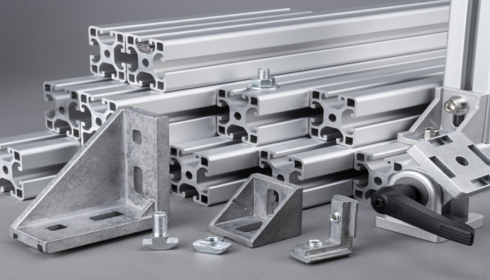
  • What Factors Make MiniTec Aluminum Framing Ideal for Clean Integration of Pneumatic Lines

    What Factors Make MiniTec Aluminum Framing Ideal for Clean Integration of Pneumatic Lines

    A clean and efficient pneumatic setup depends on more than the quality of its air components. The framing that holds and organizes those lines determines how easy it is to maintain, expand, and troubleshoot. MiniTec Aluminum Framing has become a preferred choice for this purpose, offering structural precision and flexibility that fit the needs of modern automated systems.

    Smooth Channel Interiors That Keep Lines Neatly Routed

    MiniTec extruded aluminum framing features channels with smooth interior surfaces that help guide pneumatic tubing without snags or abrasions. These channels provide a controlled path for air lines, preventing tangling or unnecessary bends that can affect air pressure consistency. The design supports clean routing while keeping the appearance uncluttered and accessible for technicians. This feature also makes cleaning and maintenance faster. Dust and residue tend to collect around rough edges or exposed brackets, but the streamlined channel interiors of MiniTec Aluminum Framing keep surfaces easier to wipe down and inspect—an essential quality in manufacturing and laboratory environments that require precision airflow and minimal contamination.

    Ample Extrusion Cavities for Concealed Air Tubing

    The modular aluminum framing system from MiniTec includes deep extrusion cavities designed to conceal pneumatic lines. These interior spaces allow tubing to run through the frame itself rather than across exposed surfaces. It gives engineers the freedom to hide air lines within the structure, protecting them from wear while maintaining a sleek, professional look. This internal routing also enhances safety by keeping tubing away from moving machine parts. Technicians can easily trace and access the lines through removable panels without disrupting equipment. The MiniTec aluminum frame kit provides various profile sizes that can accommodate complex pneumatic systems with multiple concealed air paths.

    Stable Mounting Points for Clamps and Fittings

    Each section of MiniTec aluminum framing material is engineered with stable mounting slots that allow for precise attachment of pneumatic clamps, valves, and fittings. The rigidity of the frame ensures that mounted components remain steady, even under vibration or frequent use. These mounting points eliminate the need for external brackets, reducing clutter and improving long-term reliability.

    Because the system uses standardized fastening hardware, modifying or replacing pneumatic accessories takes less time. The consistent spacing and alignment make it easier for technicians to keep tubing organized along defined routes. This structure-based mounting approach also reduces strain on connection points, extending the life of both tubing and fittings.

    Lightweight Profiles That Reduce Strain on Suspended Lines

    MiniTec Aluminum Framing stands out for its strength-to-weight ratio. Its lightweight profiles support suspended pneumatic lines without adding unnecessary bulk or downward pull on connectors. This balance is particularly valuable in automated systems or conveyor frameworks where overhead tubing runs are common.

    The reduced weight makes installation safer and simpler. Technicians can handle longer segments with minimal lifting equipment while maintaining structural integrity. Over time, this lighter framework minimizes wear on suspension mounts and lowers maintenance costs, all while supporting reliable airflow performance.

    Clean Surface Finishes Suited for Controlled Environments

    The anodized finish on MiniTec extruded aluminum framing provides a clean, corrosion-resistant surface that suits environments where hygiene or particulate control is vital. From pharmaceutical facilities to electronics assembly areas, the non-porous surface reduces contamination risks while maintaining a professional, polished appearance.

    Unlike coated steel, which can chip or oxidize over time, anodized aluminum resists damage and maintains its finish under frequent cleaning cycles. This makes MiniTec Aluminum Framing ideal for pneumatic systems operating in cleanrooms or sterile work zones, where even small particulates can compromise product quality.

    Modular Segments That Simplify Future Rerouting

    One of the strongest advantages of the modular aluminum framing system is its reconfigurability. Pneumatic requirements often change—new tools, stations, or sensors may require different air routes. With MiniTec’s modular design, sections of framing can be disassembled and reconfigured without cutting or welding.

    This flexibility shortens downtime during system modifications. Engineers can adapt line paths to new layouts while reusing the same framing material. That level of adjustability helps manufacturers stay efficient as production needs evolve, supporting sustainable investment in long-lasting framing infrastructure.

    Tight Connection Joints That Limit Vibration Transfer

    Pneumatic lines are sensitive to vibration, which can affect seal integrity and flow stability. MiniTec Aluminum Framing uses tight, precision-fit joints that limit vibration transfer between connected segments. This structural stability helps prevent wear on pneumatic fittings and tubing over time.

    The tight junctions also contribute to quieter operation, particularly in high-speed assembly environments. Less vibration means fewer disruptions in air delivery and a longer lifespan for mechanical components that rely on stable pressure. These benefits make MiniTec aluminum framing material a trusted choice for dynamic systems that demand steady performance.

    Uniform Frame Geometry That Supports Organized Pneumatic Layouts

    Consistency in frame geometry is another hallmark of MiniTec’s system. Each profile aligns perfectly with others, creating a uniform surface for building structured, symmetrical pneumatic layouts. This precision ensures air lines follow predictable, organized paths rather than weaving irregularly around supports.

    Uniformity simplifies visual inspection and system expansion. Technicians can easily map pneumatic networks and identify new routing opportunities without guesswork. Minitec Solutions provides framing materials and accessories designed to help engineers integrate pneumatic systems that remain neat, safe, and efficient throughout their operational life.

  • How to Choose the Right Transformer for Your Industrial Power Needs ?

    How to Choose the Right Transformer for Your Industrial Power Needs ?

    Choosing the proper transformer for an industrial site helps keep machines safe and ensures steady power. Each facility uses different amounts of power and has different space needs, so choosing the right unit helps it run smoothly and safely. The steps below will help you select a unit that fits your setup:

    Know the Power Your Equipment Uses

    List every primary machine and note its load. Add the loads to see the total demand. Pick a unit with some extra capacity to keep the system stable. Extra capacity helps the device run with minimal heat and fewer faults.

    Check the Voltage Your Site Needs

    Match the unit to the site voltage and phase type. Note where the device will be placed. Dry units work well indoors since they need little care, while oil-filled units suit outdoor locations where heat is common and protection is required.

    Look for Models That Save Energy

    Low-loss designs cut waste and reduce bills. Choose solid core parts and tight build quality. A stronger build often gives longer life and steadier output. Spending more at purchase can lower costs over the years.

    Confirm Safety and Quality Marks

    The unit should meet local rules and standard tests. Buy from a maker known for good service and clear support. Good parts and clear documents make repairs and checks easier.

    Conclusion 

    A well-chosen high-voltage transformer keeps machines safe, reduces unplanned downtime, and supports steady operations for the plant. Regular checks and timely fixes protect the plant and help the team keep production constant.