Blog

  • The Future of Margin Trading Facility in India’s Market Landscape

    The Future of Margin Trading Facility in India’s Market Landscape

    As India’s financial landscape evolves, HDFC SKY emerges as a game-changer in margin trading. This innovative platform from HDFC Bank offers a comprehensive suite of investment options, combining affordability with advanced trading tools, setting the stage for a dynamic future in margin trading.

    Overview of Margin Trading in India: Current Landscape

    Margin trading in India has gained significant traction in recent years, with investors seeking to amplify their potential returns through the use of borrowed funds. This practice allows traders to leverage their existing capital by borrowing additional funds from brokers to trade larger positions. As of 2023, the regulatory framework established by the Securities and Exchange Board of India (SEBI) has evolved to ensure greater transparency and risk management in margin trading. This is especially pertinent given the volatile nature of equity markets, where price fluctuations can lead to substantial gains or losses. Brokers are now required to provide detailed disclosures about margin requirements and risks, ensuring that investors are well-informed before engaging in leveraged trades.

    HDFC SKY is a notable player in this space, providing an all-in-one investment platform that caters to a diverse range of trading preferences. With no account-opening charges and a flat brokerage fee of ₹20 per trade, HDFC SKY appeals to both novice and experienced traders looking for cost-effective solutions. The platform offers advanced analytical tools, including option-chain analysis, which enhances decision-making for margin trading activities. Additionally, HDFC SKY’s comprehensive service includes access to stocks, mutual funds, IPOs, and commodities, making it a versatile choice for investors exploring various asset classes. The emphasis on user-friendly technology and competitive pricing positions HDFC SKY as a strong contender in India’s evolving margin trading landscape.

    MTF Share List offers potential investors a curated overview of the securities available for margin trading through HDFC SKY. By providing transparency and accessibility, this feature assists traders in making informed choices while managing their portfolios effectively. HDFC SKY also integrates robust risk management tools that cater to both strategic long-term investments and short-term trading maneuvers. As financial markets continue to evolve, the simplicity and efficiency of HDFC SKY’s platform, combined with its comprehensive service offerings, serve as a testament to its commitment to empowering investors across the spectrum.

    Regulatory Framework Governing Margin Trading

    The regulatory framework governing margin trading is primarily defined by the Securities and Exchange Board of India (SEBI), which establishes guidelines to ensure market integrity and protect investors. Margin trading allows investors to borrow funds to purchase securities, amplifying both potential gains and risks. Under SEBI regulations, brokers must adhere to strict capital requirements and conduct thorough assessments of an investor’s risk profile before extending margin facilities. This includes maintaining adequate margin levels and ensuring real-time monitoring of margin accounts to mitigate risks associated with market volatility. Furthermore, SEBI mandates transparent disclosure of margin requirements and risks involved, fostering informed decision-making among investors.

    HDFC SKY, an innovative investment platform from HDFC Bank’s broking arm, operates within this regulatory framework to provide clients with seamless access to margin trading. By offering low-cost trading options, such as zero account-opening charges and a flat ₹20 brokerage per trade, HDFC SKY appeals to both novice and experienced investors. The platform empowers users with advanced analytical tools, including option-chain analysis, enabling them to make informed trading decisions. Given the regulatory stipulations, HDFC SKY ensures that all margin trading activities comply with SEBI guidelines, thereby reinforcing investor protection while facilitating enhanced trading opportunities in stocks, mutual funds, and commodities, among others.

    Technological Innovations Shaping Margin Trading

    Technological innovations are profoundly reshaping margin trading by enhancing accessibility and efficiency for investors. Platforms like HDFC SKY exemplify this transformation by integrating multiple asset classes—stocks, mutual funds, IPOs, and commodities—within a single user-friendly application. This all-in-one approach simplifies the trading process, allowing users to manage diverse investments seamlessly. The introduction of advanced analytical tools, such as option-chain analysis, empowers traders to make informed decisions based on real-time data. Additionally, HDFC SKY’s unique proposition of zero account-opening charges and a flat ₹20 brokerage fee per trade encourages both novice and experienced investors to engage in margin trading without the burden of high costs.

    MTF Calculator plays a crucial role in this technological evolution, offering an intuitive interface for calculating the exact leverage and potential returns on investments. As margin trading becomes increasingly sophisticated, tools like the MTF Calculator empower investors with precise insights, enabling them to optimize their strategies based on comprehensive financial projections. Furthermore, the seamless integration of such calculators with platforms like HDFC SKY ensures that investors can swiftly adjust their trading tactics to align with dynamic market conditions, thereby maximizing their investment outcomes in an ever-evolving financial landscape.

    Moreover, the incorporation of artificial intelligence and machine learning technologies is revolutionizing risk management in margin trading. These innovations enable platforms like HDFC SKY to offer personalized trading experiences by analyzing user behavior and market trends. They can provide timely alerts on margin calls or changes in market conditions, ensuring that traders are well-informed. Additionally, automated trading features enhance execution speed, allowing users to capitalize on market movements swiftly. As financial technology continues to evolve, platforms that leverage these innovations will likely attract more traders, fostering a competitive environment that prioritizes user experience and informed decision-making.

    Impact of Margin Trading on Market Volatility

    Margin trading significantly influences market volatility by amplifying both gains and losses for investors. When traders utilize margin accounts, they borrow funds to purchase more securities than their cash balance would typically allow. This leverage can lead to increased buying power, which may drive up asset prices during bullish trends. However, in a bearish market, the opposite occurs; as prices decline, margin calls can force traders to liquidate positions to cover their borrowed funds, exacerbating the sell-off and increasing volatility. HDFC SKY’s platform, with its advanced tools for option-chain analysis and margin trading, makes it easier for investors to engage in this high-risk strategy, potentially leading to rapid price fluctuations in the underlying assets as market sentiments shift.

    Moreover, the accessibility of margin trading through platforms like HDFC SKY can attract a larger number of retail investors, further contributing to market volatility. With zero account-opening charges and a flat ₹20 brokerage per trade, HDFC SKY lowers the barriers to entry, encouraging more participants to leverage their investments. This influx can lead to heightened speculative activity, as inexperienced traders may engage in riskier strategies without fully understanding the implications of margin trading. The cumulative effect of increased leverage and speculative trading can result in sharp price movements, creating a feedback loop of volatility that may not accurately reflect the underlying fundamentals of the securities traded. Thus, while margin trading can enhance potential returns, it also poses significant risks that can destabilize the market environment.

    ICICI Bank share price fluctuations underscore the influence of market dynamics introduced by platforms like HDFC SKY. As retail investors explore margin trading, their collective actions amplify price volatility, impacting individual stocks significantly. The accessibility and low-cost brokerage model invite newcomers to participate, yet their limited experience can skew market perceptions and valuations. This scenario creates an environment where even minor incidents can lead to disproportionate market reactions, challenging both institutions and investors to reassess their strategies amidst the evolving landscape shaped by increased retail participation.

    Risks and Rewards of Margin Trading for Investors

    Margin trading can present both significant rewards and considerable risks for investors utilizing platforms like HDFC SKY. One of the primary advantages is the potential for amplified returns, as margin trading allows investors to borrow funds to buy more securities than they could with their own capital alone. This leverage can lead to substantial profits if the market moves in the investor’s favor. With HDFC SKY’s flat ₹20 brokerage per trade and access to advanced tools such as option-chain analysis, investors can strategically navigate the market, identifying opportunities that align with their risk tolerance and investment goals. Furthermore, the platform’s comprehensive offering of stocks, mutual funds, and commodities enables a diversified approach, which can mitigate some risk inherent in margin trading.

    Conversely, the risks associated with margin trading can be significant and potentially detrimental to an investor’s portfolio. When using borrowed funds, losses can also be magnified, leading to a situation where an investor may owe more than their initial investment if the market declines. HDFC SKY users need to be aware of margin calls, which occur when an investor’s equity falls below the broker’s required minimum, necessitating additional capital to maintain their positions. This stress can lead to forced liquidation of assets at inopportune times, compounding losses. Investors must therefore approach margin trading with caution, employing robust risk management strategies and thorough market analysis to safeguard against the inherent volatility of leveraged trading.

    Comparison of Margin Trading Practices: India vs. Global Markets

    Margin trading practices vary significantly between India and global markets, reflecting diverse regulatory frameworks, investor behavior, and market maturity. In India, platforms like HDFC SKY enable retail investors to engage in margin trading with the added advantage of low brokerage fees—just ₹20 per trade—making it an attractive option for both novice and seasoned traders. The Securities and Exchange Board of India (SEBI) has established specific guidelines, including the maximum margin limits, which are typically capped at 5 times the trading capital. Furthermore, Indian brokers must comply with strict risk management protocols, which require them to monitor clients’ positions closely to mitigate default risks. This regulatory environment aims to protect retail investors, although it may limit the leverage available compared to more developed markets.

    In contrast, global markets, such as those in the United States or Europe, often provide more flexible margin trading options, allowing for higher leverage ratios that can reach up to 50% or more, depending on the asset class. This flexibility attracts a broader range of institutional and professional traders who can handle higher risks. For instance, U.S. brokers are subject to the Federal Reserve’s Regulation T, which permits a leverage of up to 2:1 on most stocks. Additionally, global platforms tend to offer advanced margin management tools and risk assessment features, catering to a more experienced trading clientele. While this presents greater profit potential, it also exposes traders to heightened risks, making robust risk management strategies essential. Overall, the comparison highlights a balancing act between accessibility for retail investors in India and the high-risk, high-reward dynamics seen in global markets.

    Investment Apps play a pivotal role in bridging the gap between traditional and modern trading ecosystems. They offer a plethora of tools that empower traders to make informed decisions amidst volatile market conditions. With features such as real-time analytics, customizable alerts, and user-friendly interfaces, these apps make trading more accessible and manageable for both novices and experts alike. Furthermore, they provide an integrated platform for executing trades, tracking performance, and managing portfolios, which enhances convenience and efficiency. As the landscape of trading continues to evolve, such digital solutions are integral to staying competitive and resilient in an ever-changing market environment.

    The Role of Brokers in Margin Trading Facilities

    Brokers play a crucial role in margin trading facilities by acting as intermediaries between investors and the financial markets. In the context of platforms like HDFC SKY, brokers facilitate access to leverage, allowing traders to borrow funds to increase their purchasing power. This is particularly beneficial in volatile markets where the potential for profit can be substantial. HDFC SKY enhances this experience by providing an all-in-one investment platform that not only offers a diverse range of investment products—including stocks, mutual funds, and commodities—but also features advanced tools such as option-chain analysis. This empowers traders to make well-informed decisions when utilizing margin trading, thereby maximizing their potential returns while managing associated risks effectively.

    Furthermore, brokers like HDFC Bank’s HDFC SKY are essential in ensuring compliance with regulatory requirements surrounding margin trading. They monitor clients’ margin levels, ensuring that traders maintain the necessary equity in their accounts to avoid margin calls, which can lead to forced liquidation of positions. The flat ₹20 brokerage fee per trade offered by HDFC SKY also makes trading cost-effective, enabling investors to execute multiple trades without incurring hefty fees. This structure not only encourages active trading but also supports a more informed trading strategy, as users can leverage the platform’s tools to analyze market conditions and make timely decisions. Overall, brokers are vital in creating a seamless and efficient environment for margin trading, balancing the potential for increased profits with the need for responsible risk management.

    Future Trends in Margin Trading: Predictions and Insights

    As the financial landscape evolves, margin trading is poised to undergo significant transformations, driven by technological advancements and regulatory changes. Platforms like HDFC SKY are leading the charge by integrating sophisticated analytical tools, such as option-chain analysis, which empower traders to make informed decisions. This trend is expected to amplify as more retail investors seek to leverage their positions, particularly in volatile markets. The shift towards mobile trading apps is also notable, allowing for seamless access to margin trading opportunities on-the-go. With the increasing accessibility of financial markets, we can anticipate a rise in participation from younger, tech-savvy investors, who are more comfortable with online trading platforms and the risks associated with margin trading.

    In addition to technological advancements, regulatory frameworks surrounding margin trading are likely to evolve, impacting both brokers and traders. As investors become more aware of the risks involved in leveraged trading, there may be a push for greater transparency and stricter regulations to protect retail investors. HDFC SKY’s model, which includes flat ₹20 brokerage per trade and no account-opening charges, may become a standard as competition increases among brokerage firms. Furthermore, the emergence of artificial intelligence and machine learning in trading strategies is expected to enhance risk management in margin trading. These innovations will likely provide traders with predictive analytics, helping them navigate potential market downturns while maximizing their trading efficiency. Overall, the future of margin trading seems to be geared towards greater accessibility and sophistication, balancing risk with the pursuit of higher returns.

    Investor Education and Awareness in Margin Trading

    Investor education and awareness are crucial components of successful margin trading, particularly for platforms like HDFC SKY, which offers a comprehensive suite of investment options. Margin trading allows investors to borrow funds to purchase additional shares, amplifying potential gains but also increasing the risk of significant losses. HDFC SKY provides resources and tools to help investors understand the nuances of margin trading, including the implications of leverage and the importance of maintaining sufficient margin levels to avoid margin calls. The platform’s zero account-opening charges and flat ₹20 brokerage per trade make it accessible for retail investors, but it is essential that users familiarize themselves with the risks involved, such as market volatility and the potential for account liquidation.

    Moreover, HDFC SKY enhances investor education through advanced analytical tools like option-chain analysis, which can help users make informed decisions when trading on margin. The app not only enables users to monitor their investments in real-time but also offers insights into market trends and risk management strategies. By leveraging these educational resources, investors can better assess their risk tolerance and develop a disciplined trading strategy. This proactive approach to learning ensures that traders can navigate the complexities of margin trading effectively, maximizing their investment opportunities while minimizing potential pitfalls. As margin trading becomes increasingly popular, platforms like HDFC SKY play a pivotal role in equipping investors with the knowledge needed to thrive in a competitive market.

    Policy Recommendations for Enhancing Margin Trading in India

    To enhance margin trading in India, regulatory bodies should consider implementing a tiered margin requirement system that rewards experienced traders while providing additional protections for novice investors. Such a system could allow seasoned traders with a proven track record to access higher leverage ratios, thereby encouraging sophisticated trading strategies and deeper market participation. Additionally, educational initiatives should be established, focusing on risk management and the mechanics of margin trading, potentially through partnerships with platforms like HDFC SKY. By offering webinars and interactive tutorials on margin trading techniques, investors can become more informed about the risks and rewards associated with leveraged trading, thereby fostering a more knowledgeable trading environment.

    Moreover, the integration of advanced risk assessment tools within platforms like HDFC SKY can significantly enhance margin trading efficiency. Features such as real-time risk analytics and customizable alerts can help traders monitor their positions more effectively and manage their exposure. Regulatory authorities could also consider revising the current margin call policies to ensure they are more transparent and provide traders with adequate time to respond to market fluctuations. This could mitigate the panic selling that often accompanies abrupt margin calls. Finally, promoting competitive brokerage structures, like HDFC SKY’s flat ₹20 brokerage per trade, can attract more retail investors into the margin trading space, increasing market liquidity and overall trading volume.


  • Translation Agencies Specializing in the Internship Sector: Why Solinguis is Your Best Choice

    Translation Agencies Specializing in the Internship Sector: Why Solinguis is Your Best Choice

    In an increasingly globalized world, internships abroad have become a crucial step for many students and young professionals. However, the language barrier can often pose a major obstacle. This is where translation agencies specializing in the internship sector come in. In this article, we will explore the importance of these agencies and why Solinguis stands out as the ideal partner for your translation needs.

    Why Internships Abroad Are Important

    Professional Development
    Internships abroad offer a unique opportunity to develop professional skills in an international environment. They allow interns to gain valuable experience, expand their professional network, and familiarize themselves with different working practices.

    Personal Enrichment
    Living and working in a foreign country also enriches interns’ personal lives. They discover new cultures, learn new languages, and develop a greater open-mindedness.

    The Linguistic Challenges of Internships Abroad

    Language Barrier
    One of the main challenges of internships abroad is the language barrier. Whether it’s for writing resumes, cover letters, or everyday communication, fluency in the local language is essential.

    Official Documents
    Internships abroad often require the translation of official documents such as internship contracts, school certificates, and transcripts. An accurate and professional translation of these documents is crucial to avoid any misunderstandings or legal issues.

    The Importance of Specialized Translation Agencies

    Sector Expertise
    Translation agencies specializing in the internship sector, such as Solinguis, have sector expertise that allows them to understand the specificities and requirements of this field. They are able to provide accurate translations tailored to the needs of both interns and employers.

    Quality and Accuracy
    The quality and accuracy of translations are essential to ensure that translated documents are accepted by institutions and employers. Specialized agencies employ professional and experienced translators who are fluent in both the source and target languages.

    Save Time
    Using a translation agency saves valuable time. Interns can focus on their internship search and preparation, while the agency handles the translation of the necessary documents.

    Why Choose Solinguis for Your Translation Needs

    Expertise and Experience
    Solinguis is a translation agency renowned for its expertise and experience in the internship industry. We understand the unique challenges faced by interns and are committed to providing translations of the highest quality.

    Team of Specialized Translators
    Our team of specialized translators has extensive knowledge of the linguistic and cultural requirements of internships abroad. They are able to provide accurate translations tailored to each situation.

    Customized Services
    At Solinguis, we offer customized services to meet the specific needs of each client. Whether you need to translate a resume, a cover letter, or official documents, we are here to help.

    Speed ​​and Efficiency
    We understand the importance of meeting deadlines when it comes to internships abroad. That’s why we’re committed to providing fast and efficient translations without compromising on quality.

    Competitive Rates
    At Solinguis, we offer competitive rates for our translation services. We believe that quality doesn’t have to mean high cost, and we strive to make our services accessible to everyone.

    Testimonials from Satisfied Customers

    Marie, International Business Student
    “I used Solinguis to translate my resume and cover letter into English. Their service was prompt and professional, and I was able to secure an internship at a renowned company in London. I highly recommend Solinguis to any student looking for an internship abroad.”

    Thomas, Recent Engineering Graduate
    “Solinguis helped me translate my transcripts and diploma into German for an internship in Germany. Their team was very responsive, and the translations were impeccable. Thanks to them, I was able to start my internship without any problems.”

    Conclusion

    Internships abroad are a valuable opportunity for students and young professionals, but language barriers can be a major challenge. Specialized translation agencies, like Solinguis, play a crucial role in providing accurate, high-quality translations. With our expertise, team of specialized translators, and personalized services, Solinguis is the ideal partner for all your translation needs in the internship sector. Don’t hesitate to contact us to learn more about our services and how we can help you succeed in your internship abroad.

  • Making Sense of Data: Why Every Business Needs a Smarter Dashboard

    Making Sense of Data: Why Every Business Needs a Smarter Dashboard

    There’s something oddly satisfying about seeing your business performance neatly visualized on a screen — sales trends climbing, projects moving, customers engaging. It’s like watching all your hard work come alive in colour and numbers. But here’s the truth — most businesses still struggle to make sense of their own data. That’s where the right company dashboard steps in, transforming scattered information into meaningful insights you can actually use.

    The Pulse of Your Business, All in One Place

    Running a company means juggling countless moving parts. Sales, marketing, operations, HR — every department generates its own data, often stored in silos. A dashboard changes that. Think of it as your business’s pulse monitor — instantly showing what’s healthy, what’s lagging, and where attention is needed.

    But not all dashboards are created equal. The best ones are clean, intuitive, and designed around your workflow, not the other way around. They don’t just display numbers — they tell stories. Instead of sifting through spreadsheets or waiting for end-of-month reports, you can glance at a dashboard and know exactly where you stand.

    The SmartPM Advantage

    One of the most practical examples of this evolution is reflected in the smartpm company overview. SmartPM has gained attention for how it turns complex project management data into real-time, visual intelligence. It’s not about dumping endless graphs on the screen — it’s about clarity. Project managers can instantly spot bottlenecks, identify risks before they snowball, and track progress across multiple teams with ease.

    That kind of transparency saves time, money, and — let’s be honest — a lot of unnecessary meetings. It’s like having a silent assistant who never forgets, never misses a deadline, and always has the numbers ready when you need them.

    More Than Just Numbers — It’s About Action

    A good dashboard isn’t about how much data you collect; it’s about how fast you can act on it. You could have every statistic in the world, but if it’s buried in cluttered reports, it’s practically useless. The right visualization turns those numbers into decisions.

    That’s the beauty of modern dashboards — they bridge the gap between data and decision. Let’s say your marketing conversions dip. Instead of guessing why, your dashboard can instantly show traffic sources, campaign engagement, and conversion rates — side by side. Within minutes, you’re not just identifying the problem, you’re solving it.

    Making Business Intelligence… Actually Intelligent

    When people hear the term business intelligence dashboard, they often imagine something complicated, reserved for analysts or IT pros. But that’s a dated idea. Today’s dashboards are designed for everyone — from CEOs to sales reps. The interface feels familiar, often drag-and-drop simple, allowing anyone to explore insights without needing a degree in data science.

    Imagine seeing how one product line outperforms another in a single click, or discovering how customer satisfaction links directly to delivery times. The patterns are all there — you just need the right lens to see them. That’s what business intelligence tools do best: they give meaning to numbers.

    Real-Time, Real Results

    The pace of business today doesn’t allow for delays. You can’t wait weeks to know if something’s working. Dashboards bring real-time updates, letting you react as things happen, not after they’ve already affected the bottom line.

    It’s the difference between steering the ship while watching the sea ahead versus navigating using last week’s weather report. Whether it’s a sales campaign, a project timeline, or supply chain logistics, instant visibility gives you control — and confidence.

    Simplifying Complexity

    Let’s be honest: most businesses have more data than they know what to do with. A dashboard is your way of taming that chaos. It gathers data from all your systems — CRM, accounting software, social analytics, even spreadsheets — and turns it into one cohesive view.

    And it’s customizable. You don’t have to settle for the default setup. Want to track performance by region? Compare quarterly goals? Measure customer churn? The dashboard adapts to your goals, not the other way around.

    The Human Side of Data

    Despite all the tech talk, the real magic of dashboards lies in how they empower people. When teams can see their progress, it sparks motivation. When managers spot patterns early, it drives better strategies. When leadership has visibility, it builds accountability and trust.

    It’s not just about metrics — it’s about mindset. A culture of data awareness encourages everyone to think smarter, make informed choices, and own their outcomes.

    Why This Matters More Than Ever

    In today’s fast-moving digital world, businesses that rely on intuition alone fall behind. The companies that thrive are the ones that can see clearly — who know not just what’s happening but why it’s happening.

    Dashboards make that visibility possible. They take the guesswork out of management and turn data into direction. Whether you’re a small startup or a global enterprise, having a single source of truth for your business operations is no longer optional — it’s essential.

    Final Thoughts

    At the end of the day, data without insight is just noise. But when organized through the right tools, it becomes your company’s most powerful asset. A great dashboard isn’t flashy or complicated — it’s functional, fast, and human-friendly.

    So, if you’ve been thinking of finally getting your business data under control, now’s the time to invest in tools that make sense of it all. Start small, focus on what matters, and let your data work for you instead of overwhelming you.

  • When the Cold Creeps In: A Calm, Real-World Guide to Lighting Your Gas Furnace Safely

    When the Cold Creeps In: A Calm, Real-World Guide to Lighting Your Gas Furnace Safely

    There’s always that first night of the season when you really feel it — the cold. Maybe you’re sitting on the couch under a blanket, maybe you wake up and your breath feels heavier in the air. You wander over to the thermostat, bump the temperature up a few degrees, and wait. But nothing happens. No hum. No familiar whoosh of warm air through the vents.

    That’s when it hits you: the furnace isn’t firing up. It’s easy to panic in that moment, especially if you’ve never dealt with it before. But the truth is, this happens to a lot of homeowners when the seasons change. Gas furnaces are workhorses, but sometimes they just need a little nudge — especially if their pilot light has gone out.

    The good news? It’s fixable. And you can probably do it yourself. Here’s a thoughtful, straightforward walkthrough of how to ignite a gas furnace without overcomplicating the process or taking unnecessary risks.


    Understanding Why It Happens

    Before jumping into action, it helps to understand what’s going on. Many older furnaces rely on a small flame called a pilot light to ignite the burners that heat your home. That flame can go out for several reasons: drafts, dust buildup, or even minor disruptions in gas flow.

    When that happens, your furnace simply can’t start the heating process. Think of it like your stove — no spark, no flame. Modern systems often use electric ignition, which automatically lights the burner, but plenty of homes still have traditional pilot systems that need manual relighting from time to time.

    So if your heat’s gone silent, chances are you’re dealing with a pilot light issue rather than a major failure. learn more about Select Fire trigger in this page.


    Step One: Safety First

    Let’s pause here for the most important part — safety. Gas is powerful and efficient, but it’s not something you want to take lightly.

    Before doing anything, take a quick sniff of the air near your furnace. If you smell gas — that distinctive sulfur or “rotten egg” odor — stop immediately. Don’t light anything, don’t flip switches, and don’t use your phone near the unit. Step outside and call your gas company or emergency services.

    If everything smells normal, you’re clear to proceed. Just make sure the area is well-lit and ventilated, and grab a long lighter or wooden match.


    Step Two: Locate the Pilot Assembly

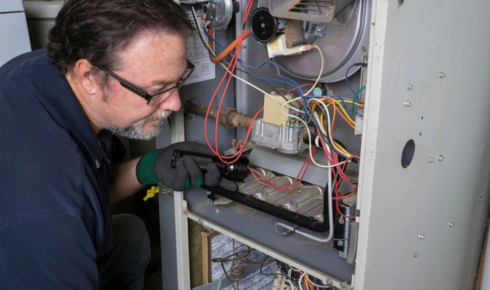
    Every furnace is a little different, but you’ll typically find the pilot assembly near the bottom of the unit behind a small access panel. Look for a knob or dial labeled “Off,” “Pilot,” and “On.” That’s your control valve.

    Next to it, you should see a small metal tube leading to the pilot opening — the tiny place where the flame will live. Take a moment to familiarize yourself with these parts. Knowing what you’re looking at will make the process much smoother.

    If you can’t find these markings or your furnace looks unusually modern, it might use electronic ignition instead. In that case, don’t try to light anything manually — your system will relight itself automatically or might just need a simple reset.


    Step Three: Lighting the Pilot

    Now that you’re ready, let’s walk through how to light a pilot light on a gas heater safely and calmly.

    1. Turn the gas control knob to “Off.”
      This cuts off the gas supply so you can safely clear out any lingering fumes. Wait about five minutes before proceeding — that short pause matters.
    2. Switch the knob to “Pilot.”
      Once the waiting period is up, turn the knob to “Pilot.” This setting allows a small amount of gas to flow to the pilot opening, just enough to sustain a small flame.
    3. Press and hold the knob down.
      You’ll need to hold it for the duration of lighting. This releases gas to the pilot area.
    4. Light the pilot.
      With your lighter or match in hand, carefully bring the flame to the pilot opening. A small blue flame should appear. Keep holding the knob for another 30 seconds or so — this allows the thermocouple (a safety device that senses heat) to warm up and confirm the flame is stable.
    5. Release the knob and set it to “On.”
      The flame should stay lit. Replace the furnace panel, turn your thermostat back on, and wait for the system to kick in. If you hear the burners ignite, you’ve done it — the warmth will return shortly.

    When It Doesn’t Work

    Sometimes, the pilot won’t stay lit no matter how carefully you follow the steps. Don’t get discouraged — it’s a common issue, and usually fixable.

    If the flame goes out as soon as you release the knob, your thermocouple may be faulty. It’s a small sensor that detects heat from the pilot and signals the gas valve to stay open. When it’s dirty or worn out, it mistakes the flame for being out and cuts the gas off.

    You can try gently cleaning it with a soft brush or call in a technician to replace it — it’s a quick, inexpensive repair.

    And if your pilot lights but the furnace still won’t start, check the thermostat settings or the circuit breaker. Sometimes, it’s not the flame at all — just a tripped switch.


    What About Newer Furnaces?

    If your furnace doesn’t seem to have a pilot light, don’t worry — it’s not broken. Many modern systems have done away with standing pilot flames in favor of electronic ignition systems. These igniters spark automatically when your thermostat calls for heat.

    If the system doesn’t fire up, you can usually fix it by resetting the furnace — either through the power switch near the unit or by turning the breaker off and back on.

    That’s why knowing how to start a furnace depends on the type you own. Older models need manual pilot lighting, while newer ones simply need a reset or ignition cycle restart. Understanding which one you have saves you time and stress when the temperature drops.


    The Importance of Regular Maintenance

    It’s tempting to only think about your furnace when it stops working, but a little attention goes a long way. Annual maintenance can help you avoid these chilly surprises altogether.

    A technician will clean the burners, check gas pressure, inspect the thermocouple, and ensure airflow isn’t obstructed. They’ll also spot small issues before they become expensive emergencies.

    And for those with older systems, having the pilot assembly cleaned yearly keeps the flame strong and stable — less flickering, fewer relight sessions, and more peace of mind.


    A Few Final Thoughts

    Relighting a furnace is one of those household tasks that feels intimidating until you’ve done it once. It’s a mix of caution and confidence — and once you hear that whoosh of ignition, it’s oddly satisfying.

    Still, if you ever feel uneasy or if something doesn’t look right, don’t hesitate to call a professional. There’s no shame in it. Gas systems are nothing to mess with, and safety always wins over stubbornness.

    When that warm air finally fills your home again, you’ll not only feel relief — you’ll feel capable. Because sometimes, the smallest flame really can make the biggest difference.

    So next time the cold creeps in and your furnace takes an unexpected nap, don’t panic. Take a breath, grab your lighter, and remember: knowing how to ignite a gas furnace isn’t just about heat — it’s about taking control of your comfort, one careful step at a time.

  • How to evaluate a crowdlending project before investing

    How to evaluate a crowdlending project before investing

    Crowdlending, or participatory lending, has become a popular alternative for investors looking to diversify their portfolios. However, before committing to a project, it’s crucial to carefully evaluate the opportunities. This article will guide you through the essential steps for evaluating a crowdlending project, while highlighting the resources available on Quelinteret.com .

    1. Understand how crowdlending works

    Before evaluating a project, it’s important to understand how crowdlending works. This model allows individuals to lend money to businesses or individuals in exchange for interest-based repayment. Crowdlending platforms, like the ones you can discover on Quelinteret.com, facilitate these transactions by connecting lenders and borrowers.

    2. Analyze the project

    a. Study the business plan.
    The business plan is the key document that describes the company’s strategy, objectives, and financial forecasts. A good crowdlending project should have a solid business plan, detailing how the money will be used and how the borrower plans to generate revenue. Check the clarity of the objectives and the viability of the business model.

    b. Evaluate the management team.
    The experience and skills of the management team are important indicators of a project’s success. Research the founders and key team members. Do they have relevant industry experience? Have they successfully managed similar projects before?

    3. Check the borrower’s financial health

    a. Analyze the financial statements.
    Examine the borrower’s financial statements, including the balance sheet, income statement, and cash flow. This will give you an idea of ​​the company’s financial health. Look for indicators such as debt-to-equity ratio, profitability, and liquidity.

    b. Assess the need for financing
    . Understand why the borrower needs financing. Is it for expansion, the launch of a new product, or to overcome financial difficulties? A justified need for financing is often a good sign.

    4. Analyze the risk

    a. Identify the associated risks
    . Every crowdlending project carries risks. Identify the specific risks associated with the project, such as competition, market fluctuations, or regulatory issues. Quelinteret.com offers in-depth analyses on the risks associated with different projects, which can help you make an informed decision.

    b. Assess the default rate.
    Find out the historical default rate of the crowdlending platform. A high default rate may indicate lower-quality projects. Compare default rates between different platforms to better understand the level of risk.

    5. Consider the potential return

    a. Analyze interest rates.
    The interest rates offered by crowdlending projects vary considerably. Compare the interest rates with those of other similar investments. A high interest rate may seem attractive, but it can also be a sign of increased risk.

    #b. Evaluate the investment term
    The investment term is also an important factor. Short-term projects may offer a quick return, but long-term projects can generate higher returns. Evaluate your own risk tolerance and investment objectives before making a choice.

    6.Read reviews and feedback

    Before investing, it’s a good idea to consult other investors’ opinions. Crowdlending platforms, as well as sites like Quelinteret.com, often offer feedback and project evaluations. This can give you valuable insight into the borrower’s reliability and the project’s quality.

    7. Use evaluation tools.

    Many crowdlending platforms offer evaluation tools to help investors make informed decisions. These tools can include return simulations, risk analyses, and project comparisons. Take advantage of these resources to refine your evaluation.

    8. Diversify your investments

    . Finally, it’s essential not to put all your eggs in one basket. Diversify your investments by choosing multiple crowdlending projects. This can reduce the overall risk of your portfolio. Quelinteret.com offers advice on diversification and risk management in crowdlending.

    Conclusion

    Evaluating a crowdlending project before investing requires a thorough analysis and an understanding of the risks and opportunities. By following the steps outlined in this article and utilizing the resources available on Quelinteret.com, you will be better prepared to make informed investment decisions. Remember that crowdlending can offer attractive returns, but it is essential to conduct due diligence to protect your capital.

  • Saudi Arabia’s Little-Known Holy Sites

    Saudi Arabia’s Little-Known Holy Sites

    Saudi Arabia , a land of spirituality and deep religious history, is world-renowned for the holy cities of Mecca and Medina. However, beyond these iconic landmarks, the kingdom is home to other lesser-known but equally fascinating sacred sites. In this article, we explore these lesser-known holy sites that are worth discovering.

    1. Quba Mosque – Medina

    Located on the outskirts of Medina, the Quba Mosque is the first place of worship built by the Prophet Muhammad upon his arrival in Medina. Although less frequented than the Prophet’s Mosque, it holds special significance, as it is said that praying in this mosque is equivalent to an ‘Umrah (minor pilgrimage).

    2. Mount Uhud – Medina

    Mount Uhud is a site of great historical and spiritual significance. It was here that the Battle of Uhud took place in 625 AD. The site not only offers a perspective on Islamic history, but is also considered a place of reflection on sacrifice and resilience.

    3. The Qiblatain Mosque – Medina

    The Qiblatain Mosque is unique. It was here that the Prophet Muhammad received the revelation to change the direction of prayer (Qibla) from Jerusalem to Mecca. This mosque with two Mihrabs (niches indicating the direction of prayer) is a living testimony to this pivotal moment in Islamic history. 4.

    The Well of Hira – near Mecca

    Located a few kilometers from Mecca, the Well of Hira is not just an ordinary well. It was near this site that the Prophet Muhammad received the first revelations of the Quran in the Cave of Hira. This place offers an atmosphere of tranquility and is a point of pilgrimage for those seeking to connect with the beginnings of Islam.

    5. Dhul Hulayfah Mosque – Medina

    This mosque is the miqat (station) for pilgrims coming from Medina to perform Hajj or ‘Umrah. It is the place where pilgrims purify themselves and put on their pilgrimage garments (Ihram) before continuing their journey to Mecca. It represents the beginning of the spiritual journey for many worshippers.

    6. Jabal Thawr – Mecca

    Jabal Thawr is a mountain where the Prophet Muhammad and his companion Abu Bakr hid for three days during their migration from Medina to Mecca. The cave on this mountain, where they took shelter, is a place to visit for those seeking inspiration in faith and trust in God in the face of adversity.

    7. Jannat al-Baqi Cemetery – Medina

    This cemetery is the final resting place of many members of the Prophet Muhammad’s family, as well as several of his companions. Visiting Jannat al-Baqi allows you to connect with the early history of Islam and pay homage to those who contributed to its spread.

    Conclusion

    These sites, although less well-known than the great mosques of Mecca and Medina, offer a unique depth to the pilgrimage experience in Saudi Arabia. They allow visitors to discover the richness of Islamic history and deepen their personal spirituality. For those planning their trip, Saudi-Arabia.be offers valuable resources for exploring these sacred sites with respect and devotion.

  • Keeping Water Clean and Comfort Flowing: A Practical Guide for Homeowners

    Keeping Water Clean and Comfort Flowing: A Practical Guide for Homeowners

    There’s something grounding about the simple rituals of daily life—pouring a glass of clear water, stepping into a hot shower, or cooking dinner without thinking twice about what’s coming out of the tap. But behind those small comforts sits a whole hidden world of pipes, tanks, filters, and systems that most of us only think about when something goes wrong. If you’ve ever stood ankle-deep in a cold shower because the water heater gave out, or noticed that faint metallic taste in your glass, you know exactly what I mean.

    The truth is, water systems don’t just “run” forever. They need care. They need the occasional upgrade. And, as it turns out, they’re worth the attention. This article is about understanding the basics—keeping your water clean, your systems running, and your peace of mind intact.


    Why water quality deserves more of your attention

    Let’s start with the obvious: clean water isn’t optional. Whether you’re sipping a glass after a workout or filling your kid’s water bottle before school, you’re trusting what flows out of that faucet. But depending on where you live, water can pick up a lot on its journey—minerals, sediment, even contaminants. Municipal systems treat it, sure, but treatment doesn’t always eliminate everything. And if you’re on well water, the story can get even more complicated.

    That’s why so many homeowners have invested in filtration, reverse osmosis, or specialized treatment systems. They don’t just improve taste; they protect long-term health and help keep appliances from breaking down under mineral buildup.


    The unsung hero: maintaining your filtration systems

    One of the biggest mistakes people make is assuming that once a filter or system is installed, it’s good forever. It’s like buying a car and never changing the oil. At first, everything seems fine, but slowly, performance dips and problems creep in.

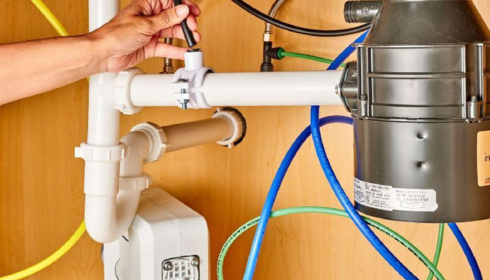
    This is where professional support makes a real difference. Companies that offer reverse osmosis system maintenance service aren’t just swapping filters; they’re making sure water pressure is balanced, membranes are functioning, and nothing’s quietly wearing out behind the scenes. It’s preventive care—less glamorous than a shiny new appliance, but often the reason you don’t end up with costly repairs later.


    When water heating becomes urgent

    If you’ve ever had the water heater quit on a chilly morning, you know the particular kind of frustration it brings. There’s no graceful workaround—cold showers are a hard sell. While routine maintenance can extend a heater’s lifespan, sometimes replacement is the only option.

    That’s when the speed of service matters. A reliable plumber who offers same day water heater installation can turn a potential household disaster into a minor hiccup. It’s not just about convenience; it’s about minimizing disruption to your family’s routine. Hot water is one of those behind-the-scenes luxuries we don’t fully appreciate until it’s gone.


    Well water and the local factor

    Now, if you live in an area that relies heavily on wells, the conversation shifts. Take St. George, for example. The desert landscape is beautiful, but the groundwater can carry a unique mix of minerals and sediments. A water filtration system for well water St George isn’t just a nice-to-have—it’s essential. Without one, you’re looking at everything from staining on laundry and fixtures to long-term wear on plumbing.

    Locally tailored filtration makes a difference. It’s not just a generic filter; it’s designed for the specific water challenges of your region. That’s the key—solutions should be as individual as the water they’re treating.


    Small signs that hint at bigger issues

    Most people don’t realize when their systems are struggling, because problems creep in slowly. A few signs to watch for:

    • Water that tastes a little “off” or metallic.
    • Soap that doesn’t lather quite the same way.
    • Spots or film left behind on glasses, even after the dishwasher runs.
    • Showers that leave your skin feeling unusually dry.
    • A water heater that takes longer to deliver hot water.

    Individually, these things might feel minor. Together, they’re red flags telling you your systems could use a tune-up or replacement.


    The balance of DIY and professional help

    There’s nothing wrong with changing a simple sediment filter on your own or flushing your water heater once a year. In fact, small homeowner steps go a long way. But there’s also no shame in calling in pros for the deeper stuff. They’re trained to spot the subtle issues before they balloon into major headaches.

    Think of it this way: you might rotate your own tires, but you’d still go to a mechanic for engine trouble. Your home’s water deserves the same logic.


    Investing in your home’s future

    Some upgrades feel purely functional, like replacing a filter. Others, like installing a whole-house system or a new heater, feel like an investment. And they are. They protect your appliances, safeguard your health, and even improve resale value if you ever put your home on the market. Buyers notice clean, well-maintained systems. They notice when a home feels cared for.

    What’s more, the peace of mind you get—knowing your family’s water is safe and your showers will always be hot—is worth more than the dollars you put in.


    Wrapping it all up

    Water runs quietly through our lives, shaping routines without us really noticing. But that doesn’t mean it should be ignored. Taking a proactive approach—whether it’s scheduling routine filter changes, calling for maintenance, or upgrading when needed—keeps the daily comforts steady and reliable.

    So the next time you pour a glass of water or step into a perfectly warm shower, remember: those little luxuries don’t happen by accident. They’re the result of systems cared for, problems addressed before they grew, and choices you made to protect your home.

    And honestly, that’s what good homeownership is about. Not just fixing things when they break, but nurturing the parts of your house that quietly take care of you every single day.

  • Why Every Business Should Take Electrical Inspections Seriously

    Why Every Business Should Take Electrical Inspections Seriously

    When you walk into a modern office, store, or warehouse, it’s easy to overlook the hum of electricity working silently in the background. The lights stay on, the computers keep running, and the machines don’t miss a beat. But behind that smooth operation is an intricate electrical system that, if ignored, can quickly turn into a safety hazard or a costly repair. This is where routine electrical inspections step in—not as an optional luxury, but as a fundamental part of keeping a commercial space safe, compliant, and efficient.

    Unlike replacing a light bulb or plugging in a surge protector, electrical inspections go deeper. They’re about preventing fires before they start, spotting weaknesses before they cause downtime, and ensuring your building meets the latest codes. Businesses often realize the value only after something goes wrong, but by then the damage may already be expensive—or irreversible.


    The Role of Professional Electrical Inspections

    In the world of commercial properties, inspections aren’t just box-ticking exercises. They’re proactive safety checks that can make or break a business’s long-term stability. Think about it: a factory with outdated wiring might still function day-to-day, but one spark could halt production for weeks. A restaurant that overlooks its electrical load could face blackouts during dinner rushes, losing customers and revenue in a matter of hours.

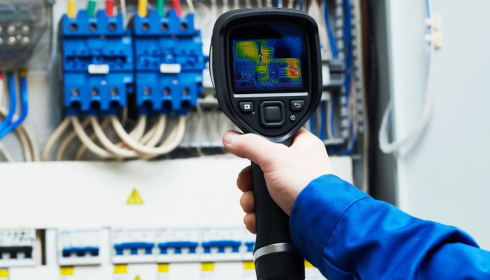
    That’s why many companies turn to commercial electrical inspection services to help safeguard their operations. These professionals don’t just glance at wires; they analyze the system from top to bottom, looking at panel boards, breakers, wiring, outlets, and grounding methods. Their goal is to catch issues early—before they snowball into dangerous or financially draining situations.


    Why Commercial Properties Are High-Risk

    It’s not just about the size of a building. Commercial properties are high-risk because they often have higher electrical demands than residential spaces. Multiple air-conditioning units, industrial equipment, elevators, and endless computers mean heavier loads, which increases wear and tear on electrical systems.

    Picture a busy office park. Each tenant plugs in printers, servers, and dozens of workstations. Over time, even a well-designed system can strain under that demand. Without regular inspections, those hidden weaknesses can result in blown fuses, overheating wires, or worse—a fire that shuts down the entire complex.

    This is where the expertise of a commercial electrical inspector really shines. Unlike a general handyman or an employee who notices flickering lights, inspectors are trained to see the invisible problems: loose connections behind walls, circuits overloaded beyond capacity, or outdated installations that no longer meet code. Their trained eyes turn uncertainty into clarity, and for a business owner, that peace of mind is priceless.


    Common Issues Found During Inspections

    When businesses schedule inspections, the findings often surprise them. Some of the most common problems include:

    • Overloaded circuits: Too many devices drawing power from a single circuit can create heat and stress.
    • Improper grounding: Without proper grounding, even small electrical faults can damage equipment or shock workers.
    • Outdated panels: Older systems may not handle the demands of modern technology, creating bottlenecks and risks.
    • Damaged wiring: Insulation can wear down, especially in high-traffic or industrial environments.
    • Non-compliance: Codes change over time, and what was acceptable 15 years ago may now be considered unsafe.

    Each of these issues is like a ticking clock. The sooner they’re discovered, the easier—and cheaper—they are to fix. Left unchecked, they can escalate into emergencies that put employees, customers, and property in danger.


    Safety, Savings, and Compliance

    One of the biggest misconceptions is that inspections are just about following the law. Sure, regulations play a big role, and businesses are often legally required to maintain electrical safety standards. But the benefits go beyond compliance.

    Regular inspections save money in the long run. By identifying inefficiencies, inspectors help reduce energy costs. For instance, a system struggling to meet demand may waste electricity, driving up monthly bills. Catching that early means adjustments can be made before costs spiral.

    Then there’s the safety aspect. No business wants to face a lawsuit or reputation damage from preventable accidents. Employees need to know they’re working in a safe environment, and customers expect the same. A well-documented inspection history demonstrates due diligence—something insurance companies also appreciate when assessing liability.


    Finding the Right Inspection Partner

    Of course, not every electrician is equipped to handle commercial inspections. This is a specialized field, requiring knowledge of both heavy electrical loads and complex regulatory codes.

    When searching for commercial electrical inspection near me, it’s worth doing a little homework. Look for companies that:

    • Employ licensed inspectors with specific commercial experience.
    • Offer detailed reports rather than vague summaries.
    • Stay updated with the latest codes and safety practices.
    • Provide clear recommendations, not just lists of problems.

    A trustworthy inspection partner doesn’t just point out flaws; they guide you toward solutions. They should be able to explain technical findings in plain language and prioritize repairs based on urgency. That way, business owners can plan budgets and avoid last-minute surprises.


    Real-World Impact

    Let’s take an example. A mid-sized retail store recently brought in inspectors after noticing frequent tripping of breakers. The inspection revealed an outdated panel and improperly distributed load across circuits. The cost to fix it? Manageable. The cost if they hadn’t caught it? Potentially catastrophic, as overheated wires could have led to a fire during peak shopping hours.

    Stories like this aren’t rare—they’re the quiet victories that inspections deliver every day. The disasters that don’t happen, the losses that never occur, the lives that remain safe—all because someone decided not to skip an inspection.


    The Bottom Line

    Electrical inspections may not be the flashiest part of running a business, but they’re one of the smartest investments a company can make. They protect people, safeguard property, and keep operations running smoothly. In a world where downtime can cost thousands per hour, and safety is non-negotiable, taking chances with electricity simply isn’t worth it.

    So next time you walk into your office, warehouse, or shop and flip on the lights, remember the unseen system working tirelessly behind the scenes. Then ask yourself: when was the last time it was checked by a professional? If the answer is “I can’t remember,” it’s time to change that.

  • The Subtle Art of Choosing the Right Expert Witness

    The Subtle Art of Choosing the Right Expert Witness

    When you’re standing in the middle of a legal dispute, it’s easy to feel like you’re walking through fog. Everything is murky. The rules are thick, the stakes are high, and one strong or weak voice can sway the entire outcome. That’s why expert witnesses exist—they bring clarity to the courtroom, or even to mediation rooms where cooler heads attempt to resolve issues before they snowball into full trials. But here’s the catch: not all experts are created equal, and the process of finding one is both an art and a science.

    Why Expert Witnesses Matter More Than You Think

    Think about it. You might have the best attorney money can buy, the kind who can argue circles around an opponent. But when it comes down to highly technical or specialized matters, jurors and mediators want proof and authority. They want someone who’s lived and breathed the subject. An expert witness doesn’t just testify; they translate complex ideas into plain, persuasive language. A skilled one becomes the bridge between confusion and clarity, often making the difference between winning or losing a case.

    Aviation, Medicine, Finance—You Name It

    Different fields call for different specialists. A medical malpractice suit obviously won’t lean on an engineer, just like a property boundary dispute doesn’t need a neurosurgeon’s take. And then there’s aviation. Picture a messy case involving a small plane accident, with questions about maintenance, pilot error, or mechanical design. Suddenly, you’re searching for someone who not only understands aviation but can explain it to people who’ve never set foot in a cockpit. That’s where an aviation expert witness search comes into play. It’s not just about scanning resumes—it’s about finding someone with the rare mix of credibility, communication skills, and courtroom presence.

    The Human Side of Mediation

    Not every dispute heads straight to court. In fact, mediation is becoming increasingly popular because it’s less combative, less costly, and often less soul-draining. But here too, the right voice matters. If two sides are locked in a stalemate over financial damages, land valuation, or a technical disagreement, an expert can serve as the anchor. They don’t just hand over numbers or jargon; they lend a sense of trustworthiness. So when you’re wondering where to find an expert witness for mediation, the search isn’t just practical—it’s strategic. The wrong expert might tip the scales toward more conflict, while the right one can nudge everyone toward resolution.

    Avoiding the Trap of Credentials Alone

    Here’s where many people trip up: they assume the longest resume equals the best fit. But let’s be honest, credentials don’t always translate to effectiveness. You could hire a Nobel Prize winner, but if they freeze up under cross-examination or can’t explain themselves without drowning in technical jargon, their brilliance may not matter. Real effectiveness comes from a balance of deep knowledge and approachable communication. The audience—whether it’s a jury, a mediator, or a judge—needs to walk away understanding, not scratching their heads.

    Practical Tips That Save Headaches Later

    So, how do you actually tackle the challenge? Start with referrals. Attorneys who’ve handled similar cases usually know the experts worth their salt. Professional directories and industry-specific search platforms also help narrow things down. Once you have a few names, interview them. Yes, interview—like you would any key hire. Ask about their past cases, their comfort in testimony, even their ability to handle aggressive questioning. This step weeds out the book-smart but courtroom-shy candidates. Knowing how to find a good expert witness isn’t just about availability—it’s about foresight.

    Chemistry and Storytelling

    One thing often overlooked in this process is chemistry. Does the expert connect with the attorney? Do they seem grounded and authentic? People are wired to respond to stories, not statistics alone. A strong expert witness is, at their core, a storyteller. They weave facts into a narrative that feels clear and compelling without sacrificing accuracy. And if they can stay calm under fire, that’s even better. Because let’s face it, litigation can turn heated fast.

    The Cost Factor Nobody Loves to Talk About

    Now, let’s address the elephant in the room—money. Expert witnesses aren’t cheap. Depending on the field and the complexity of the case, their hourly rates can climb quickly. But here’s the perspective shift: they’re not a cost, they’re an investment. A strong witness can swing outcomes that involve hundreds of thousands—or millions—of dollars. Viewed through that lens, their fee becomes far more justifiable. That doesn’t mean you should blindly accept the highest quote, but cutting corners here often costs more in the long run.

    The Modern Edge: Technology in the Search

    In recent years, technology has made this hunt a little less daunting. Online databases and specialized platforms allow lawyers and clients to browse through expert profiles, check past cases, and even watch clips of courtroom testimony. It’s not foolproof, but it’s better than blindly picking from a list. These tools provide a starting point, and when combined with human judgment and referrals, they significantly increase the odds of landing the right match.

    Wrapping It All Up

    At the end of the day, finding an expert witness isn’t just about plugging a hole in your legal team. It’s about amplifying your argument with the kind of authority that resonates beyond paper. Whether it’s aviation, finance, medicine, or construction, the right expert brings clarity where confusion reigns. They don’t just show up to testify—they show up to teach, persuade, and steady the scales of justice.

    So, the next time you or your attorney begin the journey of searching, remember that you’re not just hiring knowledge—you’re hiring trust, communication, and poise. The right expert witness won’t just fit into your case—they’ll elevate it. And in the messy, unpredictable world of disputes, that elevation can be the edge that tips everything in your favor.

  • Clear Water, Clear Mind: Why Local Service Makes All the Difference

    Clear Water, Clear Mind: Why Local Service Makes All the Difference

    Water is something we all take for granted—until it reminds us not to. A weird smell, a metallic taste, spots on the dishes, or laundry that feels stiff no matter how much detergent you pour in. Suddenly, the water that should be simple and invisible becomes a daily frustration. And here’s the thing: it’s not just about comfort. Good water affects your health, your appliances, and even how confident you feel when handing a guest a glass straight from the tap. That’s why more people are turning to local solutions—professionals who know the quirks of the area and can set things right without overcomplicating the process.


    Why Going Local Works

    It’s tempting to Google endlessly, order filters online, and hope for the best. But water isn’t the same everywhere. The stuff coming out of your tap in a rural well setup has different challenges than what flows through city pipes. That’s why working with a water treatment company near me often makes more sense than rolling the dice on generic fixes. Local providers understand regional water issues, whether it’s hard water, iron stains, or that sulfur smell that won’t quit. Instead of guesswork, you get solutions that actually work where you live.


    The Constant Battle with Hard Water

    Hard water might sound like an abstract problem, but if you’ve lived with it, you know the pain. Scale buildup on faucets. Cloudy glasses out of the dishwasher. Soap that refuses to lather properly. Left untreated, it doesn’t just annoy you—it wrecks appliances, clogs pipes, and eats away at water heaters. That’s when people start searching for water softener repair near me. Because even the best softener needs attention once in a while, and when it does, you want someone nearby who can get it working again before hard water leaves its mark all over your home.


    Reverse Osmosis: Clean Water at the Tap

    For many families, reverse osmosis (RO) systems are the go-to for drinking water. They strip away the things you don’t want—like chlorine, nitrates, or trace metals—leaving water that tastes clean and fresh. But like any system, RO units need care to keep doing their job. Filters clog, membranes wear out, and pressure drops if you ignore them. That’s where a reverse osmosis maintenance service comes in handy. It’s less about fixing emergencies and more about keeping things smooth, so you never have to second-guess the water you’re pouring for your kids or brewing into your morning coffee.


    Everyday Benefits That Sneak Up on You

    The difference between untreated and treated water isn’t always dramatic at first, but it stacks up. Towels come out softer. Coffee tastes sharper. Dishes sparkle instead of streak. Your skin feels less dry after a shower. Even your pets may drink more when the water tastes fresher. These little wins don’t scream for attention, but they add up to a home that just feels easier to live in. And once you’ve had a taste of truly clean water, you’ll never want to go back.


    The Money Question

    People often hesitate because they’re worried about costs. Installation, repairs, maintenance—it all adds up, right? But here’s the flip side: untreated water costs too. It wears down appliances, shortens the lifespan of plumbing, and pushes you toward bottled water purchases that pile up quietly month after month. Once you start thinking long-term, treatment systems and repairs stop looking like “extras” and start feeling like smart, preventative investments.


    Why DIY Isn’t Always the Answer

    There are plenty of tutorials online for fixing filters, replacing membranes, or tinkering with softeners. But water isn’t just another weekend project. One wrong move, and you could be left with leaks, ineffective filtration, or even bigger problems down the line. That’s where professionals shine—they’ve seen it all before. Whether it’s a softener acting up or an RO unit losing pressure, they know how to handle it quickly without guesswork. Sometimes, peace of mind is worth more than saving a few bucks upfront.


    Regional Quirks You Can’t Ignore

    Here’s the thing: water isn’t uniform. In one neighborhood, chlorine might be the big problem. A few miles away, it’s iron leaving orange streaks in sinks. Move out to rural areas, and you might find bacteria or sulfur creeping in. That’s why generic advice so often fails. Local specialists don’t just fix problems—they anticipate them. They know what’s common in your area, what seasonal shifts might do, and how to stay ahead of the curve so your home doesn’t get blindsided.


    Maintenance Without the Stress

    One of the best things about working with professionals is how easy they make upkeep. Instead of remembering when to change filters or worrying about when a softener will fail, you can set up a regular schedule or service plan. They’ll swap filters, test systems, and handle the fiddly details. It’s less about emergencies and more about never reaching that point in the first place. And let’s be honest—most of us already have enough on our plates without babysitting a water system.


    The Emotional Side of Clean Water

    It’s easy to focus on numbers, specs, and costs, but there’s another layer here. Clean water gives you confidence. It’s the ease of pouring a glass for a guest without apologizing for the taste. The relief of knowing your kids aren’t drinking anything questionable. The comfort of stepping into a shower that feels refreshing instead of drying. Water is woven through every part of daily life, and when it’s right, you stop thinking about it entirely. That kind of quiet reassurance is worth more than any technical brochure can describe.


    Wrapping It Up

    At the end of the day, water treatment isn’t about gadgets or jargon—it’s about daily life running smoothly. Whether you’re calling a local company, fixing a softener, or scheduling RO maintenance, the goal is the same: water you can trust. And once you have it, you realize just how much of a difference it makes. Clean water doesn’t just flow through your pipes—it flows into the rhythm of your home, shaping comfort, health, and peace of mind.