Blog

  • Surviving the Heat: AC Repair Stories Across the Valley

    Surviving the Heat: AC Repair Stories Across the Valley

    If you’ve spent even one summer in the Phoenix metro area, you know how brutal the desert heat can be. It’s not just warm—it’s relentless, pressing against you from the second you step outside until well after the sun goes down. Out here, air conditioning isn’t just another household convenience—it’s the glue that holds daily life together. And when that comfort slips away? Well, let’s just say the whole rhythm of life feels off-kilter.


    When the Cool Air Stops in Mesa

    A friend of mine in Mesa recently told me about the day her unit gave up in the middle of July. She described sitting on the tile floor with her kids, fanning themselves with whatever they could find, waiting for a technician to show up. That’s the reality of ac repair mesa—it’s not a small inconvenience, it’s an urgent need. In a city where temperatures hover well over 100 degrees for weeks at a stretch, quick repair can make the difference between surviving comfortably at home and feeling like you’re trapped in an oven.


    Scottsdale’s Unique Challenge

    Scottsdale has its own character—sleek condos, sprawling resorts, and neighborhoods filled with both older homes and modern builds. But no matter how polished the exterior looks, everyone’s HVAC system faces the same test: the unforgiving Arizona heat. One of my colleagues lives there and said her AC failed during a dinner party. Guests ended up moving outside where it was only marginally cooler. That night, she learned the importance of scheduling ac repair scottsdale before small problems become full-blown breakdowns. It’s funny how a technical issue can turn into a social crisis in minutes.


    Glendale’s Growing Need

    Glendale has grown rapidly, with new families, businesses, and plenty of older systems that are still hanging on. I heard from a neighbor who lives there that his unit started blowing warm air during the first game of football season. He wasn’t too worried at first, but by halftime the living room felt like a sauna. A quick call for ac repair glendale saved the night, and by the fourth quarter, everyone was cool and comfortable again. It was a reminder that even small interruptions in comfort can have outsized effects on daily life.


    Listening to the Warning Signs

    Air conditioners rarely quit without warning. More often, they send little signals: uneven cooling, weird rattling noises, or utility bills that keep creeping up. It’s human nature to shrug it off until the system finally shuts down altogether. But catching these early signs can save money, time, and plenty of frustration. Ignoring them, on the other hand, usually leads to late-night calls and long waits when the city is at its hottest.


    Why Timing Matters So Much

    In Phoenix and its surrounding cities, speed is everything. A broken AC in March might be inconvenient. A broken AC in July is an emergency. Homes heat up fast—dangerously fast, in some cases. That’s why reliable service is such a lifeline. When a company can respond quickly, diagnose accurately, and repair efficiently, it doesn’t just fix a machine—it restores normal life in the home.


    The People Behind the Repairs

    What always strikes me about repair stories isn’t just the technology—it’s the technicians themselves. They’re the ones crawling into attics during the hottest part of the day, replacing parts while the sun beats down on rooftops, and still finding time to explain things in plain language. For many homeowners, these visits are about more than machinery—they’re about trust. Knowing someone will show up, listen, and fix the problem without upselling unnecessary extras makes all the difference.


    Balancing Cost With Comfort

    Nobody likes repair bills, especially when they come unexpectedly. But in the Valley, it’s not so much a matter of if you’ll spend money on your AC, but when. The trick is working with people who help you balance short-term fixes with long-term solutions. Sometimes it’s worth repairing an old unit one more time, and sometimes replacement is the smarter move. Honest advice matters—because no one wants to feel pressured while they’re already sweating in their own living room.


    Maintenance: The Quiet Hero

    It might not be exciting, but routine maintenance is what saves most homeowners from emergencies. Changing filters, checking refrigerant levels, and making sure ducts are clear—these little steps keep systems running smoothly when the desert is at its most unforgiving. Skipping them is like skipping sunscreen out here. You might get away with it for a while, but eventually, you’ll regret it.


    The Emotional Relief of Cool Air

    There’s nothing quite like that moment when a repair is finished, the system hums back to life, and a rush of cool air fills the room. It’s more than comfort—it’s relief. Tempers settle, sleep comes easier, and life regains its normal rhythm. I’ve heard people describe that first blast of cold air as “pure happiness,” and honestly, they’re not exaggerating. In the Valley, AC repair is as much about peace of mind as it is about temperature.


    Wrapping It Up: Living Well in the Desert

    Mesa, Scottsdale, Glendale—it doesn’t matter where in the Valley you call home, the story is the same. The desert will always test you. The heat won’t let up. But your home doesn’t have to reflect that battle. Reliable AC repair keeps life livable, routines steady, and families comfortable.

    Because at the end of the day, air conditioning isn’t just about machinery. It’s about people—about kids sleeping through the night, families gathering without discomfort, and the relief of knowing that, no matter how harsh the desert gets, your home can still be an oasis.
  • Breathing Easier at Home: Why Air Quality Starts with the Small Things

    Breathing Easier at Home: Why Air Quality Starts with the Small Things

    There’s something about walking into a home that feels fresh. You don’t always notice it right away, but your body does—your chest feels lighter, your nose doesn’t itch, and you don’t get that faint musty vibe lingering in the background. On the flip side, when the air inside feels heavy or dusty, you know immediately. And more often than not, the culprit is hiding in plain sight: your HVAC system’s filter.

    Most of us underestimate how much that simple piece of fabric or mesh actually does. It’s the frontline defender against dust, pollen, pet dander, and all the other microscopic freeloaders trying to settle in your living space. Ignore it long enough, and you’re basically giving them free rent.


    The Forgotten Hero in Your HVAC System

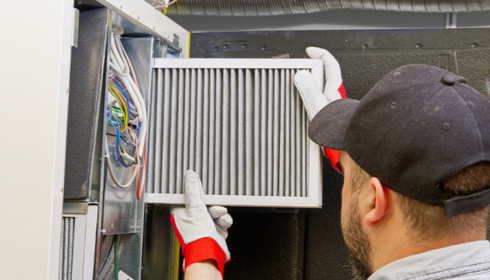
    Think of your HVAC system as the lungs of your house. Every breath of air that circulates through your living room, bedroom, or kitchen passes through those filters first. And yet, we treat air filter replacement like it’s some kind of optional chore—something you’ll get to when you “have time.”

    But here’s the kicker: a dirty filter doesn’t just clog up the system, it also makes your HVAC work overtime. That means higher bills, reduced efficiency, and in worst cases, expensive repairs down the line. A little rectangle of filter can actually decide whether your summer stays cool and your winter stays warm without draining your wallet.


    How Often Should You Really Change It?

    There’s no one-size-fits-all answer, though you’ve probably heard the “every three months” rule thrown around. That works for average households, but if you’ve got pets, allergies, or live in a dusty environment, once a month might be safer. On the other hand, if you’re rarely home, you might stretch it longer.

    The trick is to keep an eye on the filter itself. If it looks gray, fuzzy, or visibly clogged, don’t wait for some calendar reminder. Change it. That quick swap not only clears the air but also helps your HVAC breathe better—kind of like unclogging a stuffy nose.


    The Hidden Cost of Neglect

    Here’s where people get caught off guard: ignoring filter changes can cause real damage. A clogged filter forces your HVAC system to push harder just to move air. That stress wears down parts quicker, and before you know it, you’re looking at service calls or even full replacements that cost far more than a handful of filters.

    And beyond the system itself, think about what it means for your health. Dust and pollutants trapped indoors can trigger allergies, worsen asthma, and leave you feeling groggy. It’s one of those things that quietly chips away at your comfort until you finally connect the dots.


    More Than Just Dust: What Your Filter Blocks

    It’s easy to assume filters just stop dust bunnies from floating around, but the reality goes deeper. Depending on the type of filter, they can also catch mold spores, bacteria, and even smoke particles. Higher-rated filters (those with a MERV rating) are especially good at this, though they sometimes reduce airflow if your system isn’t built for them.

    That’s why many homeowners turn to professional hvac filter service instead of guessing. A technician knows exactly what your system can handle, recommends the right filter type, and ensures everything’s installed properly. It’s one of those cases where a little expert help can make the difference between a system that runs smoothly for years and one that struggles season after season.


    Small Habits, Big Payoffs

    Here’s a thought: changing your filter takes maybe five minutes, tops. You don’t need tools, special skills, or a free weekend. Yet, it’s one of those habits that pays off endlessly. Cleaner air, fewer allergy flare-ups, and lower energy bills—all from a task that’s easier than making coffee in the morning.

    Sometimes the hardest part is just remembering. A sticky note on the fridge, a reminder on your phone, or even subscribing to filter delivery services can take the mental load off. No more realizing months later that you haven’t swapped it out since last season.


    Going Beyond the Basics

    Filters are only one piece of the puzzle. If you’re serious about the air you breathe, you might look into professional clean air solutions that combine filtration with things like UV purification or whole-home air cleaners. These systems don’t just trap particles—they can actually neutralize bacteria and reduce odors too.

    It’s a step up, sure, but for families dealing with allergies, respiratory issues, or just wanting peace of mind, it’s often worth it. After all, we spend most of our lives indoors. Shouldn’t that air feel as refreshing as a morning walk outside?


    The Everyday Difference

    Here’s a little personal story. A friend of mine kept complaining about constant sneezing and headaches at home. He thought it was just seasonal allergies. Turns out, he hadn’t changed his filter in over a year. One quick replacement later, the difference was night and day. He laughed about how something so small could feel like a breath of fresh air—literally.

    It’s the same for so many households. We assume the solution to our stuffy rooms or constant dusting sprees requires expensive gadgets or deep cleaning. But often, it just starts with that one filter.


    Wrapping It Up

    Taking care of your air doesn’t have to be complicated. Start simple: check your filters, replace them when needed, and don’t be afraid to call in a pro if you’re unsure. That tiny act can protect your HVAC system, improve your health, and keep your home feeling like the comfortable space it’s meant to be.

    Fresh, clean air isn’t some luxury reserved for spa retreats or mountain cabins. It’s something you can create right where you live—one filter change at a time.

  • Breathing Easy: Why Caring for Your Air Handler Matters More Than You Think

    Breathing Easy: Why Caring for Your Air Handler Matters More Than You Think

    If you’ve ever walked into your home on a sweltering day and felt that cool rush of relief, you probably didn’t stop to think about what made it possible. The air handler — that humble, often overlooked box tucked away in an attic, closet, or mechanical room — is quietly doing the heavy lifting. It circulates conditioned air, making sure your space stays comfortable. Yet, unlike a flashy new AC unit or a shiny thermostat, the air handler doesn’t get much attention until something goes wrong.

    But here’s the thing: ignoring it can cost you big time. Energy bills creep higher, indoor air quality takes a hit, and suddenly you’re stuck making panicked phone calls when the system stops working at the worst possible moment.

    So let’s talk honestly about why paying attention to this piece of equipment is worth it — and what steps actually make a difference.


    The Air Handler: More Than Just a Box

    At its core, the air handler is the heart of your HVAC system’s circulation. It’s got a blower, evaporator coil, filters, and sometimes even heating elements. Together, these parts regulate airflow, temperature, and cleanliness. If one piece struggles, the whole system feels it. Think of it like a band — if the drummer’s out of sync, the whole song falls apart.

    The catch? Because the air handler is tucked away, it’s easy to forget it even exists. And unlike a leaky faucet or a flickering light bulb, problems aren’t always obvious until they snowball into bigger headaches.

    That’s why homeowners (and business owners too) should see air handlers maintenance as more than just a box to tick on a checklist. It’s not glamorous, but it’s the secret to extending your system’s life and keeping comfort levels steady year-round.


    The Subtle Signs Something’s Off

    Here’s where most people get tripped up: air handler issues don’t always scream for attention. Sometimes they whisper. You might notice rooms feeling stuffy, dust piling up faster than usual, or even uneven cooling across your space. Other times, it’s a faint rattle or hum that seems harmless until it’s not.

    The tricky part is these little signs add up. A clogged filter strains the blower. A weak blower makes your AC work harder. Before you know it, efficiency plummets, and your unit is practically begging for help.

    And that’s when people start Googling phrases like air handler system repair near me, hoping to find someone who can swoop in and fix the issue right away. It’s a relatable moment — one I’ve heard about from countless homeowners who swore their system was “fine” until it suddenly wasn’t.


    Commercial Spaces Can’t Afford to Gamble

    For homeowners, a broken air handler is inconvenient. For businesses, it’s a whole different beast. Imagine a restaurant on a summer evening, or a retail store packed with customers. If airflow falters, comfort disappears, and customers do too. Productivity in office spaces also tanks when the indoor climate is unpredictable.

    That’s why commercial air handler service isn’t just maintenance — it’s risk management. Regular inspections, filter swaps, coil cleaning, and motor checks help businesses avoid downtime and expensive emergency repairs. The cost of upkeep pales in comparison to lost revenue when customers walk out because it’s just too hot inside.


    Maintenance That Actually Matters

    Now, let’s be real: nobody wants another chore added to their list. But keeping an air handler in shape doesn’t need to be overwhelming. A few small habits go a long way.

    • Change filters regularly. Dust and debris clogging a filter force the blower to work harder, which shortens its life.
    • Schedule coil cleaning. Dirty coils kill efficiency and can cause your unit to freeze up.
    • Check drainage. Condensate drains should be clear to prevent water damage and mold growth.
    • Listen closely. Unusual noises aren’t just annoying — they’re often early warnings.

    And here’s the kicker: these steps not only improve performance but also cut down on energy costs. It’s like tuning a car — smoother rides, better mileage.


    The Peace of Mind Factor

    There’s something underrated about knowing your system’s been cared for. When the temperature spikes, you don’t have to cross your fingers and hope the AC kicks in. When winter rolls around, you’re not stressing about surprise breakdowns.

    And honestly, peace of mind has value. Life’s hectic enough without unexpected HVAC drama. Regular attention to your air handler removes that nagging “what if” from the back of your mind.


    Wrapping It Up

    At the end of the day, the air handler doesn’t care if you think it’s boring or forgettable. It just wants to do its job — moving air, keeping you comfortable, and quietly working behind the scenes. But like anything mechanical, it needs care.

    Whether you’re a homeowner who just wants predictable comfort or a business owner who can’t risk a climate-control meltdown, taking your air handler seriously pays off. A little maintenance today can save you a lot of stress (and money) tomorrow.

    So next time you hear that faint rattle, or you catch yourself brushing off a stuffy room as “just the weather,” take a moment. It might be your air handler asking for a little attention. And giving it that care? That’s how you keep breathing easy, season after season.

  • The Subtle Elegance of Iron Doors: Why They’re More Than Just an Entrance

    The Subtle Elegance of Iron Doors: Why They’re More Than Just an Entrance

    Walk up to a home, and before you notice the landscaping or the paint color, your eyes land on the door. It’s the handshake of the house, the silent introduction. That’s why more homeowners today are leaning toward iron doors. Not the bulky, medieval-looking ones you might picture, but sleek, handcrafted pieces that carry both strength and grace. They’re the type of doors that quietly say, “This home is built to last, and it has style.”

    There’s something timeless about the way iron doors command attention. They feel solid, they look refined, and they’ve got this unique way of blending tradition with modern tastes. And while wood and fiberglass have their place, iron offers a level of durability and artistry that’s hard to rival.


    Strength With Style

    Iron doors have a reputation for toughness, and rightfully so. These aren’t flimsy slabs you replace every decade. Properly cared for, an iron door can outlast almost any other material. But durability isn’t their only claim to fame. Homeowners are increasingly looking at them as design statements.

    Think about black iron front doors framed with glass panels. They’re bold without being loud, sophisticated without needing a flashy design. They work just as well on a minimalist modern home as they do on a classic brick façade. Black iron has that chameleon quality — it anchors the house visually while leaving enough breathing room for personal touches like hardware, lighting, or the color of your siding.


    A Contemporary Twist

    There was a time when iron doors felt too heavy, too ornate, almost like they belonged only on castles or old estates. But design has caught up. Today, the clean lines and sleek forms of modern wrought iron doors are making waves. Instead of curly, overly decorative patterns, you’ll find slim vertical bars, geometric grids, and expansive glass panes. They let natural light spill in while still providing the security and sturdiness homeowners crave.

    The beauty here lies in balance. You get transparency without vulnerability, artistry without excess. It’s why architects and designers often suggest wrought iron when a homeowner wants something that feels current but not fleeting, stylish but not fragile.


    Function Meets Comfort

    A good door should do more than look pretty. It should work for your lifestyle. That’s where innovations like iron doors with operable glass come in handy. Imagine a summer evening: you want a breeze to move through the house but still prefer the security of a locked door. With operable glass panels, you swing them open, let the air flow, and enjoy fresh ventilation without propping open the entire door. Small detail, big difference.

    It’s the kind of feature that shows how far iron door design has come. No longer just a static slab of metal, these doors adapt to modern living. They make daily life easier, more comfortable, and frankly, more enjoyable.


    Beyond Curb Appeal

    Of course, curb appeal matters. A well-designed iron door immediately elevates a property. Realtors will tell you: buyers notice. But the appeal of iron goes deeper. It’s peace of mind. It’s knowing your door can handle weather, time, and even a few knocks without caving. It’s insulation and energy efficiency, keeping warm air in during winter and heat out in the summer. And yes, it’s the fact that your door doesn’t look like everyone else’s on the block.

    For people who take pride in their homes, that uniqueness is priceless. It’s not about following a trend. It’s about creating a first impression that lingers — one that matches the character of the people who live inside.


    The Human Side of Design

    What often gets overlooked is the human story behind these doors. Many are handcrafted, welded, and detailed by skilled artisans who treat each piece as more than a product. There’s real craft in shaping iron into something that feels light, even welcoming. That’s not an easy trick. When you open one of these doors, you’re not just walking through an entrance; you’re touching hours of workmanship and generations of design evolution.

    And maybe that’s why iron doors resonate so deeply. They’re not mass-produced in the way vinyl siding or composite panels are. Each one has quirks, slight differences, a bit of personality baked in by the hands that built it. They’re strong, yes, but also human in their imperfections.


    Closing Thoughts

    An entry door is a small part of a house in terms of square footage, but it carries a huge weight in setting the tone. Iron doors, with their mix of resilience, style, and adaptability, offer something special. They don’t scream for attention; they quietly demand it. They blend into modern life while standing apart from the ordinary.

  • The Hidden Truth About What’s in Your Water — And How to Protect Your Home

    The Hidden Truth About What’s in Your Water — And How to Protect Your Home

    We often take water for granted. It flows from the tap, fills our glasses, boils our pasta, and rinses the soap from our hair. We assume it’s safe, maybe because it looks clean, or because we’ve always trusted the city or county to handle things. But here’s the truth most people don’t think about: water can carry invisible contaminants that don’t care how nice your faucet looks.

    I realized this one summer when I noticed my iced tea tasted odd — faintly metallic, almost plastic-like. I brushed it off at first, but over time I became more conscious. The kettle started leaving chalky residue, and my dog’s water bowl built up a film that looked… not right. That’s when it hit me: maybe it wasn’t my imagination. Maybe the water itself was the problem.

    Why Testing Matters More Than Ever

    Here’s the tricky thing about water — you can’t always tell what’s in it. Sure, if it smells like rotten eggs, you might assume sulfur. If it leaves orange streaks in the sink, probably iron. But things like lead, PFAS chemicals, pesticides, and even pharmaceutical traces? They don’t wave a flag. They sit there, quietly moving through your pipes into your glass.

    That’s why people like me started searching for a water testing service near me instead of just buying bottled water and hoping for the best. Testing isn’t some paranoid step; it’s the only way to know if your water is truly safe. It tells you what’s present, in what concentration, and most importantly, how to fix it. And let’s be honest — peace of mind is worth way more than the cost of a test kit or professional service.

    VOCs — The Silent Villains in Tap Water

    Ever opened a paint can and felt that dizzy, chemical smell hit you? That’s from volatile organic compounds, or VOCs. They’re in paints, adhesives, plastics, gasoline — and unfortunately, they sometimes end up in water supplies too.

    These aren’t just nuisances. VOCs have been linked to health problems ranging from headaches and nausea to much more serious risks when exposure is long-term. And the kicker? Like many water contaminants, you won’t notice them by taste or smell in most cases.

    That’s why more homeowners are leaning on VOC removal water filtration systems. They target those sneaky organics before they reach your coffee pot or your kid’s sippy cup. Activated carbon filters, advanced resins, or even whole-house systems are being installed to make sure what comes through the tap is actually drinkable, not just “clear.”

    The New Challenge: Chloramines in Treated Water

    Most of us know chlorine is used in water treatment. It’s been the gold standard for disinfection for decades. But what’s less widely understood is that many cities now use chloramine — a mix of chlorine and ammonia — instead of straight chlorine.

    Why? It lasts longer in pipes. That’s great for water systems, but not so much for you and me. Chloramines are more stubborn than chlorine, and they don’t break down easily in traditional filters. They can alter taste, dry out skin, and even affect aquatic pets (ask any fish owner).

    This is where chloramine removal water experts come into play. They specialize in solutions that go beyond your typical pitcher filter. Think catalytic carbon systems, tailored whole-house setups, or multi-stage designs that ensure you’re not bathing in chemicals every time you shower. It’s the kind of thing that, once you know about it, makes you question why you didn’t call sooner.

    Making Sense of It All

    Now, I’ll be the first to admit: water treatment can feel overwhelming. Between acronyms like VOCs, PFAS, and TDS, plus endless types of filters and systems, you can feel like you’re one Google search away from a headache. But here’s the way I see it — water is too central to your life to leave up to chance.

    You don’t need to become a chemist. You just need to:

    1. Test your water — find out exactly what’s going on.
    2. Match the solution to the problem — don’t just grab the cheapest filter on the shelf.
    3. Work with specialists if the issue is bigger than DIY.

    It’s no different than calling an electrician instead of tinkering with exposed wires. Some things are just worth professional hands.

    Final Thoughts

    At the end of the day, water is the one thing we can’t live without. It’s in our coffee, our soups, even the air we breathe when we run a hot shower. The scary part is that not all water is created equal, and the safety of it isn’t always guaranteed by the people in charge of pumping it into your home.

  • Breathing Easier in Texas: Why Clean Air Starts with the Right Filtration

    Breathing Easier in Texas: Why Clean Air Starts with the Right Filtration

    There’s something about stepping outside in Texas—the wide-open skies, the sudden shifts in weather, and the way the air feels different depending on whether you’re in the Hill Country, Houston, or the Panhandle. But inside our homes and workplaces, the story’s a bit different. The air doesn’t get refreshed by a breeze; it cycles through vents, filters, and systems that we rarely think about—until allergies flare up or dust seems to multiply overnight.

    Clean indoor air isn’t just about comfort. It’s about health, energy efficiency, and honestly, peace of mind. If you’ve ever sat in your living room and wondered why you still feel congested despite keeping things tidy, there’s a good chance your filters aren’t pulling their weight. That’s where professional Texas air filtration services really shine. They don’t just swap out a dusty screen—they create an entire plan to make your home’s air quality better day after day.


    The Invisible Problem in Plain Sight

    Here’s the tricky part: bad air doesn’t always announce itself. Sure, you can see dust collecting on your furniture, but what about the pollen, mold spores, or tiny particles from cooking and pets that stay floating around? Left unchecked, these things build up in your system, make your AC work harder, and eventually circle back into the air you’re breathing.

    I learned this the hard way during cedar season in Central Texas. Every winter, the pollen count climbs, and I’d wake up sneezing like I was camping outdoors. Once I invested in better filtration, the difference was night and day. It wasn’t instant—nothing ever is—but within a couple of weeks, I could actually sit in my own home without needing a tissue box within arm’s reach.


    Why Professional Installation Matters

    Let’s be honest—DIY projects have their charm, but some things are best left to the pros. Air filtration is one of them. Installing the wrong filter, or worse, putting in one that’s too restrictive for your system, can cause more harm than good. The unit has to work harder, energy bills creep up, and the supposed “fix” just creates another headache.

    That’s why choosing air filter installation TX specialists makes sense. They know which filters match your system, your square footage, and even your lifestyle. Got pets? They’ll factor that in. Live in a dust-prone rural area? They’ll know how to handle it. The result isn’t just cleaner air—it’s a smoother, longer-lasting HVAC system that doesn’t groan every time you turn it on.


    Small Fixes That Make a Big Difference

    You don’t need a massive remodel to improve your indoor air. Simple steps—like sealing leaky ducts, upgrading to higher-efficiency filters, or scheduling regular maintenance—make all the difference. A technician who knows their stuff will usually point out these little tweaks during a service call.

    And here’s the bonus: cleaner air often means cleaner surfaces. Less dust settling on bookshelves, fewer sneezes during movie night, and yes, even better sleep. People underestimate how much uninterrupted breathing impacts rest. When your body isn’t fighting invisible irritants all night, you wake up feeling sharper and more rested.


    The Local Search We All Make

    At some point, almost everyone Googles something like “best plumber near me” or “HVAC help nearby.” Air filtration is no different. If you’ve typed in air filtration near me, you already know how many options pop up. The challenge isn’t finding someone—it’s finding the right someone.

    The good news is, Texas is full of reliable providers who understand the climate challenges here: from humid Gulf Coast summers to the dry West Texas winds. Reviews help, sure, but don’t underestimate the power of calling and just asking questions. A good company won’t drown you in jargon. They’ll talk to you like a neighbor, explain what you actually need, and not push a dozen add-ons you’ll never use.


    Beyond Allergies: Thinking Long Term

    Clean air is more than just about easing allergy season. It’s about long-term health. Studies keep showing how air quality impacts respiratory health, productivity, and even mood. Think about it: would you rather spend eight hours working in a stuffy room or in one where the air feels crisp and fresh?

    Businesses have caught on, too. Offices, schools, and even restaurants are investing in better filtration—not just to check a box but to keep employees and customers healthier. The pandemic shined a big spotlight on air quality, but the benefits go way beyond that one chapter of history.


    Wrapping It Up

    Texas weather keeps us on our toes. One day it’s a cool breeze, the next it’s sweltering heat or a dust storm rolling in. Inside, though, we deserve some consistency—and that starts with the air we breathe. Filtration isn’t glamorous, but it’s foundational.

  • Why Clean Water at Home Matters More Than Ever

    Why Clean Water at Home Matters More Than Ever

    It’s funny how we don’t think twice about flipping on the faucet until something tastes off. You know that moment—when you take a sip and suddenly realize your water has a metallic tang or maybe even a faint odor that shouldn’t be there. That’s usually when people start Googling solutions and stumble into the world of water filters, softeners, and all the complicated tech behind them. The truth is, having safe and good-tasting water isn’t some luxury—it’s one of those basic things that quietly shapes the quality of everyday life.

    In Minnesota, where the ground is rich with minerals, plenty of homeowners find themselves wrestling with hard water. Soap doesn’t lather the way it should, dishes have that cloudy film, and shower glass never looks clean no matter how much scrubbing you do. It sneaks into laundry, too—clothes wear out faster, and whites look dull. That’s the not-so-glamorous reality many families live with.


    The Rise of Smarter Filtration at Home

    Over the last decade, water filtration systems MN have gone from being niche products to mainstream household staples. People are more aware now of what’s actually in their water—chlorine, sediment, sometimes even traces of contaminants no one wants to think about. It’s not just about taste anymore; it’s about health, too. Families want reassurance that the water their kids are drinking every day is as clean as it should be.

    I’ve seen neighbors make the switch and instantly notice the difference. Coffee tastes better, pasta boils cleaner, and even the ice cubes in a glass of lemonade look clearer. It’s these little, everyday wins that make filtration systems worth the investment.


    Choosing the Right Partner in Water Care

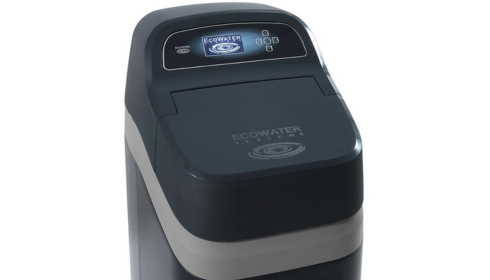
    Of course, deciding you need better water is one thing. Figuring out who to trust to help you get there is another. That’s where local dealers come in. Working with an EcoWater systems dealer feels less like making a one-time purchase and more like building a relationship. They don’t just drop off a machine at your door and leave; they usually test your water first, explain what’s really going on, and then help match you with the right setup.

    The difference between buying blindly online and actually sitting down with someone who knows the quirks of Minnesota water is night and day. Plus, when something needs servicing down the line, you’ve already got a go-to person instead of hunting for a random technician who might not know your system.


    The Case for Water Softeners

    Here’s where things get interesting. Water softeners often get overlooked because people think, “Well, I can live with spots on my dishes.” But the long-term effects of hard water aren’t just cosmetic. Pipes clog with scale buildup, water heaters run less efficiently, and appliances break down sooner than they should. Over time, that costs way more than just fixing the issue in the first place.

    I’ve had friends who swore off softeners for years—until they finally gave in. After a month or two, they were laughing about how they ever lived without one. Their hair felt smoother, laundry smelled fresher, and showers didn’t leave their skin so dry. Investing in the best home water softener isn’t about vanity; it’s about saving time, money, and frustration in the long run.


    Small Shifts, Big Changes

    One of the things I love about the water industry is how much innovation keeps happening quietly behind the scenes. Today’s systems aren’t clunky add-ons—they’re sleek, efficient, and even smart-enabled in some cases. You can monitor water usage through an app, get alerts if something’s off, and customize your preferences. It’s the kind of convenience that would’ve sounded futuristic not too long ago.

    And yet, what sticks with people most isn’t the tech. It’s the feeling of knowing their family is drinking and cooking with cleaner, healthier water. It’s the relief of not replacing a washing machine every few years or finally getting through a shower without that squeaky, “film-on-your-skin” sensation. These aren’t minor perks—they’re genuine quality-of-life upgrades.


    Thinking About the Future

    Here’s the part most folks don’t consider: water is becoming a more precious resource by the year. While we often think of conservation in terms of usage, quality matters, too. A good filtration or softening system reduces waste by protecting appliances, extending their lifespan, and helping your home run more efficiently. It’s not just about clearer drinking water—it’s about sustainability.

    If you’re in Minnesota, where hard water is practically a given, taking the step toward better water isn’t indulgence. It’s common sense. And honestly, once you’ve experienced the difference, there’s no going back. You start to notice every little improvement, from your morning coffee to your evening shower.


    Final Thoughts

    At the end of the day, clean water isn’t something you should compromise on. It’s the backbone of a healthy home, and choosing the right system—whether it’s a whole-house filter or a softener—pays dividends you feel every single day.

  • Clean Water at Home: Why More Houston Families Are Choosing Smarter Filtration

    Clean Water at Home: Why More Houston Families Are Choosing Smarter Filtration

    There’s something almost comforting about the sound of a glass filling with water straight from your kitchen tap. But let’s be real—how many of us actually drink that water without a second thought? In Houston and nearby areas like Sugar Land, people are becoming more cautious, more aware, and honestly, a bit more demanding when it comes to what flows into their homes. And rightly so. Water isn’t just water—it’s what keeps our families hydrated, our meals cooked safely, and our coffee tasting decent enough to start the day without complaints.

    The conversation around water has shifted in recent years. It’s no longer just about whether it’s “safe.” Now, people want quality, taste, and the peace of mind that comes with knowing their water isn’t carrying extra baggage in the form of chemicals or contaminants. That’s where modern filtration systems step in, and why so many homeowners are leaning toward professional water filtration system installation Sugar Land rather than sticking with the guesswork of cheap filters.


    Why the Sudden Rise in Home Water Solutions?

    Houston and its surrounding suburbs are booming, both in population and awareness. With growth comes infrastructure challenges, and water quality often ends up caught in the middle. Reports of hard water, mineral buildup, and trace contaminants have nudged families to pay closer attention. Sure, bottled water is an option, but do you really want to stockpile crates every week or contribute to the mountain of plastic waste we’re already drowning in?

    The other side of this is health. Parents don’t want their kids brushing their teeth or filling water bottles with anything questionable. And beyond safety, there’s also the comfort of knowing your dishwasher and laundry aren’t being slowly wrecked by hard water. It’s about protecting the home, as much as the people inside it.


    The Reverse Osmosis Revolution

    Talk to anyone who’s invested in water treatment recently, and chances are they’ll mention reverse osmosis. It’s one of those technologies that sounds complicated at first but really isn’t once you see it in action. Think of it as giving your water a five-star spa treatment—forcing it through specialized membranes that catch impurities most filters wouldn’t even notice.

    For families in Houston, the demand for Houston reverse osmosis installation is growing fast, and not just among the health-conscious crowd. Even those who simply want their morning coffee to taste better are seeing the difference. Reverse osmosis setups aren’t about hype—they’re about results you can actually taste and feel. Water comes out cleaner, softer, and way better for cooking and everyday use.


    Not All Systems Are Created Equal

    Here’s where things get a little tricky: with the rising demand, the market has also become cluttered. Big-box store filters, DIY kits, bargain systems online—you name it, it’s out there. But this is one of those areas where cutting corners usually backfires.

    A proper filtration or reverse osmosis system is only as good as the way it’s installed and maintained. The expertise matters, which is why working with certified professionals has become the standard route. When a system is matched to the specific water profile of your area (because yes, Sugar Land’s water isn’t quite the same as Houston’s), the results are genuinely worth the investment.


    The Role of Water Testing

    Before you even get to installation, though, there’s a crucial first step: testing. Think of it like a health checkup for your water supply. Without it, you’re pretty much guessing which solution makes sense for your household.

    A simple search for water testing services near me will show you just how accessible this has become. Professionals can run detailed checks, spotting issues you’d never notice on your own—things like high chlorine levels, heavy metals, or excess minerals. Once you’ve got the report, you know whether a whole-home filter, a reverse osmosis system, or a hybrid setup is the right fit. It’s like tailoring a suit—done properly, it feels just right.


    Everyday Benefits People Don’t Always Mention

    Most folks think of water filtration purely in terms of drinking water, but the ripple effects go further. Cooking with clean water changes flavors in subtle but noticeable ways. Showers feel different when hard water isn’t leaving your skin dry or your hair lifeless. Even appliances—dishwashers, coffee machines, washing machines—end up lasting longer because they’re not getting clogged or corroded from within.

    And let’s not forget peace of mind. There’s something to be said for the mental relief of knowing the water your family relies on every single day has been tested, treated, and optimized. It’s one less worry in a world already full of them.


    The Bottom Line

    Houston and Sugar Land aren’t exactly short on options when it comes to water solutions, but navigating them wisely is key. Whether it’s installing a full-scale home filtration system, investing in reverse osmosis, or simply starting with a thorough water test, the goal is the same: safer, better-tasting, and more reliable water.

    For some, this decision comes after months of frustration with mineral buildup. For others, it’s triggered by health concerns or just the realization that bottled water isn’t sustainable long-term. But across the board, the trend is clear—families want control over their water quality, and they’re willing to invest in it.

    So the next time you fill that glass straight from the tap, ask yourself: is this really the best my home can offer? Because clean, great-tasting water isn’t a luxury anymore—it’s a standard more and more households are making a priority.

  • When Your Appliances Refuse to Cooperate: Finding the Right Repair Help in Columbia

    When Your Appliances Refuse to Cooperate: Finding the Right Repair Help in Columbia

    It’s always the same story, isn’t it? You’re halfway through making dinner when the oven decides it’s had enough. Or maybe your washing machine goes rogue in the middle of a heavy load, leaving you with a pool of water and a pile of soggy clothes. Appliances, as loyal as they usually are, tend to throw a fit at the most inconvenient times. And when they do, you quickly realize just how much you rely on them.

    Now, before you grab a screwdriver and convince yourself you’re about to become the next DIY sensation, pause for a moment. Appliance repair isn’t always about watching a five-minute video online and “winging it.” Sometimes, it’s about knowing who to call when your fridge hums a little too loud or when the dryer decides to turn into a sauna. This is where the search for trusted Columbia SC repair specialists begins. Having a reliable go-to team can mean the difference between a quick fix and a weeks-long headache.


    The Weight of a Broken Appliance

    It’s funny how something like a dishwasher can slip under your radar until it suddenly refuses to drain. Then, all at once, you’re hyper-aware of every dish piling up in the sink. Appliances have this sneaky way of becoming invisible—just part of the daily rhythm—until they stop working.

    And when they do stop, the disruption isn’t just about convenience. It affects time, mood, and even money. A malfunctioning refrigerator could mean spoiled groceries. A broken stove? That’s takeout bills stacking up. It’s more than just a machine—it’s a lifestyle disruption.

    This is why finding the right people for the job matters. Not every technician will treat your home like their own, and not every repair service delivers the same consistency. A professional appliance repair company brings that sense of trust: the comfort of knowing the person who walks through your door has both the knowledge and the respect to fix what’s broken without cutting corners.


    Why Going Pro Beats the DIY Route (Most of the Time)

    There’s nothing wrong with being handy. Swapping a light bulb, unclogging a drain, even tightening a loose knob—these are small victories every homeowner can celebrate. But when it comes to appliances, things get tricky.

    Modern machines aren’t as simple as they used to be. That sleek refrigerator isn’t just chilling your food—it’s running on sensors, digital displays, and intricate wiring that don’t play well with trial-and-error. Tinkering with a dishwasher or oven without proper knowledge can sometimes make the problem worse, or even void a warranty.

    Sure, DIY might save you a buck in the moment, but think of it like cutting your own hair. You might pull it off, but more often than not, you’ll end up in a chair at the salon asking for damage control. That’s why leaving things in the hands of skilled repair technicians isn’t just smarter—it’s safer.


    What Makes a Good Repair Service Stand Out

    When you’re browsing through options, it’s not enough to just Google “appliance repair near me” and hope for the best. A truly dependable repair service goes beyond fixing the problem. They communicate clearly, show up when promised, and leave your home as clean as they found it.

    Word-of-mouth recommendations are worth gold. Neighbors, friends, and local forums often point you toward businesses that actually live up to their promises. Then there’s transparency—no one likes surprise charges tacked on at the end. A good repair company explains what went wrong, how they’ll fix it, and what it’ll cost before they even pick up a wrench.

    Most importantly, they don’t treat every problem like a mystery. They educate you in the process, offering tips to extend the lifespan of your machines. That mix of knowledge and honesty is what separates a quick “patch job” from true home appliance repair you can rely on.


    Thinking Beyond the Quick Fix

    It’s tempting to think of appliance repair as just putting a temporary band-aid on an issue. But the right repair specialist isn’t only about restoring function—they’re about longevity. A small adjustment today might prevent a costly breakdown a few months from now.

    Some services even offer maintenance plans, where technicians check in every so often to catch problems before they spiral. It’s like taking your car in for regular oil changes—simple upkeep that saves you a fortune down the road.

    And while replacement might eventually be the answer (no machine lasts forever), repair is often the more budget-friendly and environmentally responsible first step. A trustworthy repair team will tell you when it’s worth fixing and when it’s time to invest in something new, instead of pushing for unnecessary work.


    The Takeaway: Peace of Mind in a Phone Call

    When your kitchen or laundry appliances give up mid-task, the stress is real. But it doesn’t have to be the kind of stress that lingers. With the right people on your side, a broken fridge or washer is just a bump in the road—not a full derailment.

  • Clean Water, Clear Mind: Understanding and Tackling Lead in Your Tap

    Clean Water, Clear Mind: Understanding and Tackling Lead in Your Tap

    There’s something oddly comforting about turning on the tap and watching clear water stream out. It feels like such a given—like the air we breathe or the ground beneath our feet. Yet, for millions of people, that water carries a hidden hitch: lead. Not the kind you read about in history books used in pipes centuries ago, but the same heavy metal still lurking in outdated plumbing systems and, in some cases, municipal supplies today.

    The problem with lead in water is that you can’t see it, smell it, or taste it. That glass of cold water looks perfectly harmless, maybe even refreshing. But beneath the surface, those invisible particles have a way of sneaking into the body, building up over time, and leaving their mark—sometimes in ways that only become obvious years down the road.


    Why Lead Matters More Than We Think

    Lead exposure isn’t just a buzzword tossed around by environmental groups—it’s a genuine health hazard. Children are especially vulnerable, with even small amounts linked to developmental delays, learning issues, and behavioral challenges. Adults aren’t immune either; long-term exposure can affect blood pressure, kidney function, and overall wellbeing.

    The unnerving part? Many households don’t realize they’re affected until a test confirms it. Lead can seep into drinking water through corroded pipes, solder, or old fixtures, which means even a “clean” water source can be compromised by what carries it to your faucet. No wonder so many families are actively searching for practical ways to handle lead removal from water without having to overhaul their entire plumbing system.


    The Role of Everyday Choices

    For most people, water isn’t just about quenching thirst. It’s for coffee, soups, rinsing fruit, brushing teeth—the list goes on. If you think about it, the average person touches tap water dozens of times a day without really thinking about it. That’s why addressing lead contamination can’t be just another home maintenance checklist item. It’s about peace of mind.

    Simple habits, like letting the tap run for a few minutes before using it, can lower the risk if water has been sitting stagnant in lead pipes. Cold water is generally safer than hot for cooking and drinking, since heat can increase the leaching of metals. But let’s be real: no one wants to stand at the sink wasting gallons every day or second-guess whether boiling water makes it safe (spoiler—it doesn’t).

    That’s where technology steps in, offering solutions more practical than paranoia.


    Filtration: From Gimmick to Lifesaver

    There are plenty of gadgets out there claiming to fix your water, from pitchers with fancy filters to full-scale treatment units. The trick is figuring out what actually works against lead. Not every filter is built for the job. Standard carbon filters, for example, might make your water taste better, but they won’t always tackle heavy metals.

    A lead water filtration system, on the other hand, is specifically designed to trap those microscopic intruders. These systems often use activated carbon blocks or reverse osmosis membranes that physically block lead particles from passing through. It’s the difference between putting a strainer over a pot of pasta versus just stirring it and hoping the water clears up. One gives you real results; the other just makes you feel busy.

    Of course, the right system depends on your household’s needs. A family in an older city home might opt for an under-sink reverse osmosis unit, while someone on well water might choose a whole-house setup. What matters is making sure the system is certified to remove lead, not just improve taste.


    Stories Behind the Numbers

    It’s easy to drown in statistics—how many parts per billion of lead are “safe,” how often pipes should be replaced, how many communities face ongoing contamination. But behind every number is a family pouring a glass of water at the kitchen counter.

    I once read about a mom who tested her water only after her child’s routine bloodwork showed elevated lead levels. She’d been filling bottles, cooking pasta, even mixing baby formula with that water for years, completely unaware. For her, the fix wasn’t just about compliance with safety standards—it was about guilt, worry, and the determination to never let it happen again. That human element is what makes this issue hit harder than abstract guidelines.


    Reducing Lead Doesn’t Have to Be Overwhelming

    The good news is that progress doesn’t always mean tearing out every pipe in your house. While full replacement is the gold standard in the long run, practical steps can make a huge difference today. Certified filters, regular testing, and even small behavioral changes all stack up.

    It helps to think of it less like a giant leap and more like steady, deliberate steps. Start by testing your water—many local health departments offer kits, or you can order one online. Once you know where you stand, you can choose whether to make minor adjustments or invest in something larger. In many cases, households see peace of mind (and measurable results) with a well-chosen filter designed to reduce lead in tap water without demanding a complete renovation budget.


    The Bottom Line

    Water is one of those things that feels like it should be simple. Clear, safe, trustworthy. But life has a way of complicating even the basics, and lead contamination is proof of that. Still, it’s not a hopeless battle. With the right knowledge and a few smart choices, families can reclaim that sense of trust every time they turn on the tap.