Steps a Skilled Ingrown Toenail Doctor Uses to Ease Discomfort Quickly
Foot pain often interrupts daily life faster than people expect, especially when pressure builds along the edge of a toenail. Relief depends on more than removing the visible problem, as proper care addresses what caused the discomfort in the first place. A trained specialist follows a clear process that reduces pain quickly while protecting the toe from further irritation.
Careful Examination to Locate Pressure Points Along the Nail Edge
An experienced ingrown toenail doctor begins by closely inspecting the nail, surrounding skin, and toe alignment. Subtle pressure points often hide beneath swelling or redness, making visual checks and gentle palpation necessary. Identifying where the nail presses into the skin allows the doctor to target treatment instead of relying on guesswork.
Beyond the nail itself, the surrounding tissue tells an important story. Changes in skin texture, warmth, or sensitivity reveal how long the problem has been developing. This step helps determine whether simple ingrown toenail removal will be enough or if deeper correction is needed to prevent repeat discomfort.
Local Numbing Applied to Prevent Unnecessary Pain
Pain control is addressed early so the patient can remain relaxed throughout the procedure. A local anesthetic is applied carefully to numb the affected toe while preserving circulation. This approach allows the ingrown toenail removal doctor to work precisely without causing distress. Effective numbing also prevents involuntary movement during treatment. Even slight reactions can increase irritation to already sensitive skin. Proper anesthesia creates a calm environment where the procedure can be completed efficiently and safely.
Gentle Lifting of the Nail to Relieve Skin Compression
Once the area is numb, the doctor carefully lifts the nail edge away from the inflamed skin. This step immediately reduces pressure, which is often the main source of pain. Specialized tools are used to avoid tearing or stretching the surrounding tissue.
Releasing this compression allows blood flow to normalize in the affected area. Swelling often decreases shortly after the pressure is removed, giving the toe a chance to begin healing before further corrective steps are taken.
Precision Trimming to Remove Embedded Nail Segments
Precision trimming removes the section of nail that has grown into the skin. This is done in controlled increments rather than cutting large portions at once. The goal is to eliminate the embedded segment while preserving as much healthy nail as possible.
Careful trimming also shapes the remaining nail edge to reduce the chance of sharp regrowth. For patients searching for ingrown toenail removal near me, this level of detail often separates temporary relief from lasting results.
Debris Clearing to Reduce Inflammation Buildup
Inflammation is often worsened by trapped debris beneath the nail edge. Skin cells, bacteria, and moisture can collect in the affected area, increasing irritation. Clearing this buildup allows the skin to settle and respond better to treatment.
Removing debris also improves the effectiveness of later steps. Clean tissue absorbs antiseptic solutions more evenly, lowering the chance of lingering redness or prolonged soreness after ingrown toenail removal Huntsville AL procedures.
Antiseptic Treatment to Lower Infection Risk
After the nail and surrounding area are cleared, antiseptic treatment is applied. This step reduces surface bacteria that could lead to infection during the healing phase. Even minor breaks in the skin can allow bacteria to enter, making this protection essential.
The antiseptic also calms irritated tissue by reducing microbial activity. This helps the toe recover more comfortably and minimizes the risk of complications that could delay healing.
Protective Dressing Placed to Support Healing
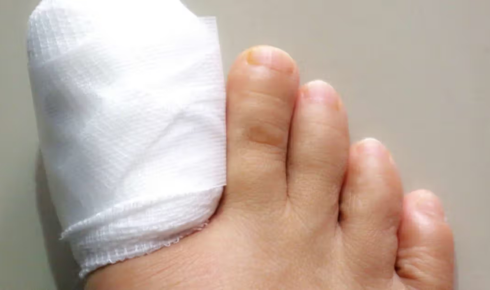
A protective dressing shields the toe from friction and external pressure after treatment. The dressing is applied to allow airflow while still guarding the sensitive area. Proper coverage prevents rubbing inside shoes and reduces the chance of reopening the treated site.
Dressings also help absorb minor drainage that can occur shortly after the procedure. Keeping the area clean and covered supports steady healing without restricting normal movement.
Pressure Relief Guidance Given for Daily Activities
After treatment, patients receive guidance on reducing pressure during daily activities. Footwear choices, walking habits, and even posture can influence how the toe heals. Adjustments help prevent renewed irritation while the skin recovers.
This guidance is especially helpful for active individuals or those who spend long hours standing. Following these recommendations reduces stress on the toe and supports long-term comfort beyond the initial ingrown toenail removal.
Follow-up Care Instructions to Prevent Recurrence
Preventing recurrence requires attention after the procedure is complete. Instructions often include proper nail trimming techniques and skin care habits that support healthy nail growth. Small changes in routine can significantly lower the chance of future problems.
Monitoring the toe during the healing period also helps identify early signs of regrowth issues. Patients seeking a Huntsville ingrown toenail doctor often benefit from structured follow-up that reinforces good habits and protects results, and The Foot Clinic offers support for patients needing professional care throughout this process.