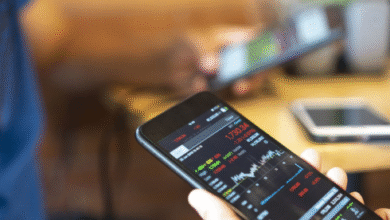

As India’s financial landscape evolves, HDFC SKY emerges as a game-changer in margin trading. This innovative platform from HDFC Bank offers a comprehensive suite of investment options, combining affordability with advanced trading tools, setting the stage for a dynamic future in margin trading.
Overview of Margin Trading in India: Current Landscape
Margin trading in India has gained significant traction in recent years, with investors seeking to amplify their potential returns through the use of borrowed funds. This practice allows traders to leverage their existing capital by borrowing additional funds from brokers to trade larger positions. As of 2023, the regulatory framework established by the Securities and Exchange Board of India (SEBI) has evolved to ensure greater transparency and risk management in margin trading. This is especially pertinent given the volatile nature of equity markets, where price fluctuations can lead to substantial gains or losses. Brokers are now required to provide detailed disclosures about margin requirements and risks, ensuring that investors are well-informed before engaging in leveraged trades.
HDFC SKY is a notable player in this space, providing an all-in-one investment platform that caters to a diverse range of trading preferences. With no account-opening charges and a flat brokerage fee of ₹20 per trade, HDFC SKY appeals to both novice and experienced traders looking for cost-effective solutions. The platform offers advanced analytical tools, including option-chain analysis, which enhances decision-making for margin trading activities. Additionally, HDFC SKY’s comprehensive service includes access to stocks, mutual funds, IPOs, and commodities, making it a versatile choice for investors exploring various asset classes. The emphasis on user-friendly technology and competitive pricing positions HDFC SKY as a strong contender in India’s evolving margin trading landscape.
MTF Share List offers potential investors a curated overview of the securities available for margin trading through HDFC SKY. By providing transparency and accessibility, this feature assists traders in making informed choices while managing their portfolios effectively. HDFC SKY also integrates robust risk management tools that cater to both strategic long-term investments and short-term trading maneuvers. As financial markets continue to evolve, the simplicity and efficiency of HDFC SKY’s platform, combined with its comprehensive service offerings, serve as a testament to its commitment to empowering investors across the spectrum.
Regulatory Framework Governing Margin Trading
The regulatory framework governing margin trading is primarily defined by the Securities and Exchange Board of India (SEBI), which establishes guidelines to ensure market integrity and protect investors. Margin trading allows investors to borrow funds to purchase securities, amplifying both potential gains and risks. Under SEBI regulations, brokers must adhere to strict capital requirements and conduct thorough assessments of an investor’s risk profile before extending margin facilities. This includes maintaining adequate margin levels and ensuring real-time monitoring of margin accounts to mitigate risks associated with market volatility. Furthermore, SEBI mandates transparent disclosure of margin requirements and risks involved, fostering informed decision-making among investors.
HDFC SKY, an innovative investment platform from HDFC Bank’s broking arm, operates within this regulatory framework to provide clients with seamless access to margin trading. By offering low-cost trading options, such as zero account-opening charges and a flat ₹20 brokerage per trade, HDFC SKY appeals to both novice and experienced investors. The platform empowers users with advanced analytical tools, including option-chain analysis, enabling them to make informed trading decisions. Given the regulatory stipulations, HDFC SKY ensures that all margin trading activities comply with SEBI guidelines, thereby reinforcing investor protection while facilitating enhanced trading opportunities in stocks, mutual funds, and commodities, among others.
Technological Innovations Shaping Margin Trading
Technological innovations are profoundly reshaping margin trading by enhancing accessibility and efficiency for investors. Platforms like HDFC SKY exemplify this transformation by integrating multiple asset classes—stocks, mutual funds, IPOs, and commodities—within a single user-friendly application. This all-in-one approach simplifies the trading process, allowing users to manage diverse investments seamlessly. The introduction of advanced analytical tools, such as option-chain analysis, empowers traders to make informed decisions based on real-time data. Additionally, HDFC SKY’s unique proposition of zero account-opening charges and a flat ₹20 brokerage fee per trade encourages both novice and experienced investors to engage in margin trading without the burden of high costs.
MTF Calculator plays a crucial role in this technological evolution, offering an intuitive interface for calculating the exact leverage and potential returns on investments. As margin trading becomes increasingly sophisticated, tools like the MTF Calculator empower investors with precise insights, enabling them to optimize their strategies based on comprehensive financial projections. Furthermore, the seamless integration of such calculators with platforms like HDFC SKY ensures that investors can swiftly adjust their trading tactics to align with dynamic market conditions, thereby maximizing their investment outcomes in an ever-evolving financial landscape.
Moreover, the incorporation of artificial intelligence and machine learning technologies is revolutionizing risk management in margin trading. These innovations enable platforms like HDFC SKY to offer personalized trading experiences by analyzing user behavior and market trends. They can provide timely alerts on margin calls or changes in market conditions, ensuring that traders are well-informed. Additionally, automated trading features enhance execution speed, allowing users to capitalize on market movements swiftly. As financial technology continues to evolve, platforms that leverage these innovations will likely attract more traders, fostering a competitive environment that prioritizes user experience and informed decision-making.
Impact of Margin Trading on Market Volatility
Margin trading significantly influences market volatility by amplifying both gains and losses for investors. When traders utilize margin accounts, they borrow funds to purchase more securities than their cash balance would typically allow. This leverage can lead to increased buying power, which may drive up asset prices during bullish trends. However, in a bearish market, the opposite occurs; as prices decline, margin calls can force traders to liquidate positions to cover their borrowed funds, exacerbating the sell-off and increasing volatility. HDFC SKY’s platform, with its advanced tools for option-chain analysis and margin trading, makes it easier for investors to engage in this high-risk strategy, potentially leading to rapid price fluctuations in the underlying assets as market sentiments shift.
Moreover, the accessibility of margin trading through platforms like HDFC SKY can attract a larger number of retail investors, further contributing to market volatility. With zero account-opening charges and a flat ₹20 brokerage per trade, HDFC SKY lowers the barriers to entry, encouraging more participants to leverage their investments. This influx can lead to heightened speculative activity, as inexperienced traders may engage in riskier strategies without fully understanding the implications of margin trading. The cumulative effect of increased leverage and speculative trading can result in sharp price movements, creating a feedback loop of volatility that may not accurately reflect the underlying fundamentals of the securities traded. Thus, while margin trading can enhance potential returns, it also poses significant risks that can destabilize the market environment.
ICICI Bank share price fluctuations underscore the influence of market dynamics introduced by platforms like HDFC SKY. As retail investors explore margin trading, their collective actions amplify price volatility, impacting individual stocks significantly. The accessibility and low-cost brokerage model invite newcomers to participate, yet their limited experience can skew market perceptions and valuations. This scenario creates an environment where even minor incidents can lead to disproportionate market reactions, challenging both institutions and investors to reassess their strategies amidst the evolving landscape shaped by increased retail participation.
Risks and Rewards of Margin Trading for Investors
Margin trading can present both significant rewards and considerable risks for investors utilizing platforms like HDFC SKY. One of the primary advantages is the potential for amplified returns, as margin trading allows investors to borrow funds to buy more securities than they could with their own capital alone. This leverage can lead to substantial profits if the market moves in the investor’s favor. With HDFC SKY’s flat ₹20 brokerage per trade and access to advanced tools such as option-chain analysis, investors can strategically navigate the market, identifying opportunities that align with their risk tolerance and investment goals. Furthermore, the platform’s comprehensive offering of stocks, mutual funds, and commodities enables a diversified approach, which can mitigate some risk inherent in margin trading.
Conversely, the risks associated with margin trading can be significant and potentially detrimental to an investor’s portfolio. When using borrowed funds, losses can also be magnified, leading to a situation where an investor may owe more than their initial investment if the market declines. HDFC SKY users need to be aware of margin calls, which occur when an investor’s equity falls below the broker’s required minimum, necessitating additional capital to maintain their positions. This stress can lead to forced liquidation of assets at inopportune times, compounding losses. Investors must therefore approach margin trading with caution, employing robust risk management strategies and thorough market analysis to safeguard against the inherent volatility of leveraged trading.
Comparison of Margin Trading Practices: India vs. Global Markets
Margin trading practices vary significantly between India and global markets, reflecting diverse regulatory frameworks, investor behavior, and market maturity. In India, platforms like HDFC SKY enable retail investors to engage in margin trading with the added advantage of low brokerage fees—just ₹20 per trade—making it an attractive option for both novice and seasoned traders. The Securities and Exchange Board of India (SEBI) has established specific guidelines, including the maximum margin limits, which are typically capped at 5 times the trading capital. Furthermore, Indian brokers must comply with strict risk management protocols, which require them to monitor clients’ positions closely to mitigate default risks. This regulatory environment aims to protect retail investors, although it may limit the leverage available compared to more developed markets.
In contrast, global markets, such as those in the United States or Europe, often provide more flexible margin trading options, allowing for higher leverage ratios that can reach up to 50% or more, depending on the asset class. This flexibility attracts a broader range of institutional and professional traders who can handle higher risks. For instance, U.S. brokers are subject to the Federal Reserve’s Regulation T, which permits a leverage of up to 2:1 on most stocks. Additionally, global platforms tend to offer advanced margin management tools and risk assessment features, catering to a more experienced trading clientele. While this presents greater profit potential, it also exposes traders to heightened risks, making robust risk management strategies essential. Overall, the comparison highlights a balancing act between accessibility for retail investors in India and the high-risk, high-reward dynamics seen in global markets.
Investment Apps play a pivotal role in bridging the gap between traditional and modern trading ecosystems. They offer a plethora of tools that empower traders to make informed decisions amidst volatile market conditions. With features such as real-time analytics, customizable alerts, and user-friendly interfaces, these apps make trading more accessible and manageable for both novices and experts alike. Furthermore, they provide an integrated platform for executing trades, tracking performance, and managing portfolios, which enhances convenience and efficiency. As the landscape of trading continues to evolve, such digital solutions are integral to staying competitive and resilient in an ever-changing market environment.
The Role of Brokers in Margin Trading Facilities
Brokers play a crucial role in margin trading facilities by acting as intermediaries between investors and the financial markets. In the context of platforms like HDFC SKY, brokers facilitate access to leverage, allowing traders to borrow funds to increase their purchasing power. This is particularly beneficial in volatile markets where the potential for profit can be substantial. HDFC SKY enhances this experience by providing an all-in-one investment platform that not only offers a diverse range of investment products—including stocks, mutual funds, and commodities—but also features advanced tools such as option-chain analysis. This empowers traders to make well-informed decisions when utilizing margin trading, thereby maximizing their potential returns while managing associated risks effectively.
Furthermore, brokers like HDFC Bank’s HDFC SKY are essential in ensuring compliance with regulatory requirements surrounding margin trading. They monitor clients’ margin levels, ensuring that traders maintain the necessary equity in their accounts to avoid margin calls, which can lead to forced liquidation of positions. The flat ₹20 brokerage fee per trade offered by HDFC SKY also makes trading cost-effective, enabling investors to execute multiple trades without incurring hefty fees. This structure not only encourages active trading but also supports a more informed trading strategy, as users can leverage the platform’s tools to analyze market conditions and make timely decisions. Overall, brokers are vital in creating a seamless and efficient environment for margin trading, balancing the potential for increased profits with the need for responsible risk management.
Future Trends in Margin Trading: Predictions and Insights
As the financial landscape evolves, margin trading is poised to undergo significant transformations, driven by technological advancements and regulatory changes. Platforms like HDFC SKY are leading the charge by integrating sophisticated analytical tools, such as option-chain analysis, which empower traders to make informed decisions. This trend is expected to amplify as more retail investors seek to leverage their positions, particularly in volatile markets. The shift towards mobile trading apps is also notable, allowing for seamless access to margin trading opportunities on-the-go. With the increasing accessibility of financial markets, we can anticipate a rise in participation from younger, tech-savvy investors, who are more comfortable with online trading platforms and the risks associated with margin trading.
In addition to technological advancements, regulatory frameworks surrounding margin trading are likely to evolve, impacting both brokers and traders. As investors become more aware of the risks involved in leveraged trading, there may be a push for greater transparency and stricter regulations to protect retail investors. HDFC SKY’s model, which includes flat ₹20 brokerage per trade and no account-opening charges, may become a standard as competition increases among brokerage firms. Furthermore, the emergence of artificial intelligence and machine learning in trading strategies is expected to enhance risk management in margin trading. These innovations will likely provide traders with predictive analytics, helping them navigate potential market downturns while maximizing their trading efficiency. Overall, the future of margin trading seems to be geared towards greater accessibility and sophistication, balancing risk with the pursuit of higher returns.
Investor Education and Awareness in Margin Trading
Investor education and awareness are crucial components of successful margin trading, particularly for platforms like HDFC SKY, which offers a comprehensive suite of investment options. Margin trading allows investors to borrow funds to purchase additional shares, amplifying potential gains but also increasing the risk of significant losses. HDFC SKY provides resources and tools to help investors understand the nuances of margin trading, including the implications of leverage and the importance of maintaining sufficient margin levels to avoid margin calls. The platform’s zero account-opening charges and flat ₹20 brokerage per trade make it accessible for retail investors, but it is essential that users familiarize themselves with the risks involved, such as market volatility and the potential for account liquidation.
Moreover, HDFC SKY enhances investor education through advanced analytical tools like option-chain analysis, which can help users make informed decisions when trading on margin. The app not only enables users to monitor their investments in real-time but also offers insights into market trends and risk management strategies. By leveraging these educational resources, investors can better assess their risk tolerance and develop a disciplined trading strategy. This proactive approach to learning ensures that traders can navigate the complexities of margin trading effectively, maximizing their investment opportunities while minimizing potential pitfalls. As margin trading becomes increasingly popular, platforms like HDFC SKY play a pivotal role in equipping investors with the knowledge needed to thrive in a competitive market.
Policy Recommendations for Enhancing Margin Trading in India
To enhance margin trading in India, regulatory bodies should consider implementing a tiered margin requirement system that rewards experienced traders while providing additional protections for novice investors. Such a system could allow seasoned traders with a proven track record to access higher leverage ratios, thereby encouraging sophisticated trading strategies and deeper market participation. Additionally, educational initiatives should be established, focusing on risk management and the mechanics of margin trading, potentially through partnerships with platforms like HDFC SKY. By offering webinars and interactive tutorials on margin trading techniques, investors can become more informed about the risks and rewards associated with leveraged trading, thereby fostering a more knowledgeable trading environment.
Moreover, the integration of advanced risk assessment tools within platforms like HDFC SKY can significantly enhance margin trading efficiency. Features such as real-time risk analytics and customizable alerts can help traders monitor their positions more effectively and manage their exposure. Regulatory authorities could also consider revising the current margin call policies to ensure they are more transparent and provide traders with adequate time to respond to market fluctuations. This could mitigate the panic selling that often accompanies abrupt margin calls. Finally, promoting competitive brokerage structures, like HDFC SKY’s flat ₹20 brokerage per trade, can attract more retail investors into the margin trading space, increasing market liquidity and overall trading volume.