Unleashing Pure Performance: A Practical Guide to Audi RS6 C8 and RSQ8 Downpipes
There’s something undeniably addictive about driving an Audi RS model. The deep growl, the effortless surge of power, the way it sticks to the road like it was engineered for a racetrack even when you’re just heading to work. But if you’re the kind of enthusiast who believes factory performance is only the starting point, then upgrading your exhaust system—specifically the downpipes—might already be on your radar.
For owners of the mighty RS6 C8 and the muscular RSQ8, downpipes are often one of the first serious performance modifications. And honestly, it’s easy to see why.
Why Downpipes Matter More Than You Think
In turbocharged engines like the 4.0L twin-turbo V8 found in both the RS6 C8 and RSQ8, downpipes play a crucial role. They connect the turbochargers to the rest of the exhaust system. From the factory, these components are designed with emissions regulations and noise restrictions in mind. That’s practical, sure—but not exactly thrilling.
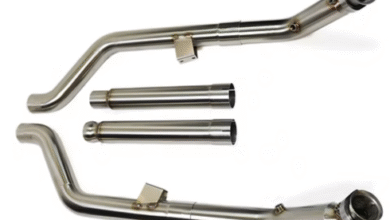
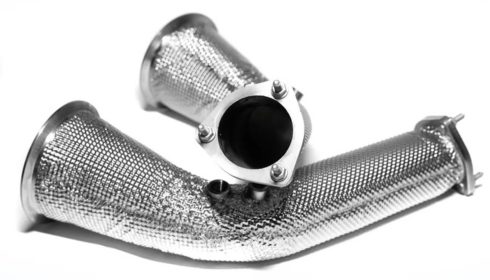
Upgrading to high-flow or decat audi rs6 c8 downpipes allows exhaust gases to exit the turbochargers more freely. The result? Reduced back pressure, quicker turbo spool, and noticeable gains in horsepower and torque. You don’t just feel it on paper. You feel it in your chest when you hit the throttle.
It’s not just about power, either. The sound transformation is dramatic. The RS6 already sounds aggressive, but aftermarket downpipes unlock a deeper, sharper tone. Cold starts become louder. Gear shifts crackle with more intensity. It’s the kind of change that makes every drive feel like an event.
Performance Gains That Make Sense
Most high-quality downpipes—especially when paired with a proper ECU tune—can deliver significant performance improvements. Depending on your setup, gains of 50 to 100 horsepower aren’t uncommon with supporting modifications.
For drivers who demand real-world performance, this translates into quicker acceleration, stronger mid-range pull, and a more responsive throttle. Highway overtakes feel effortless. Launch control becomes even more dramatic. It’s the difference between fast and seriously fast.
That said, tuning is often recommended after installing downpipes. The engine management system needs to adapt to the improved exhaust flow. A proper tune ensures optimal air-fuel ratios, safe boost levels, and overall engine reliability.
The RSQ8 Deserves the Same Attention
The Audi RSQ8 may be an SUV, but it shares much of its DNA with the RS6. It’s big, yes—but it’s brutally quick. If you’ve ever driven one, you know it doesn’t behave like a typical SUV. It behaves like a performance weapon disguised as a family car.
Installing audi rsq8 downpipes follows the same logic as the RS6 upgrade. Improved exhaust flow enhances turbo efficiency, delivering sharper throttle response and stronger power delivery. In a vehicle of this size and weight, every extra bit of performance makes a difference.
And then there’s the sound. The RSQ8’s V8 note becomes deeper and more aggressive, giving it a presence that matches its bold design. It’s no longer just quick for an SUV—it sounds like a supercar wearing an SUV body.
Catted vs. Catless: What Should You Choose?
This is where things get personal.
Catted downpipes use high-flow catalytic converters. They offer improved performance while keeping emissions somewhat controlled. They’re often more street-friendly and less likely to trigger warning lights.
Catless downpipes, on the other hand, maximize flow and performance. They’re louder, more aggressive, and typically better suited for track use. However, they may not comply with local emissions laws, so it’s important to understand your region’s regulations before making a decision.
Many enthusiasts choose high-flow catted options as a balanced solution—strong gains without going fully extreme.
Installation and Long-Term Considerations
Downpipe installation isn’t exactly a beginner-level DIY project. The process involves working around the turbochargers in tight engine bays. Professional installation is strongly recommended unless you’re very experienced.
It’s also wise to consider heat management. Upgraded downpipes often run hotter due to increased flow. Quality brands use proper heat shielding or thermal coatings to protect surrounding components.
And of course, always choose reputable manufacturers. Cheap parts might save money upfront, but reliability and fitment matter—especially on high-performance vehicles like these.
Final Thoughts
Upgrading downpipes on the Audi RS6 C8 or RSQ8 isn’t just a modification. It’s a transformation. The increase in power, the sharper response, the intoxicating sound—it all adds up to a driving experience that feels more alive.
If you already love your RS model, this upgrade simply lets it breathe the way it was always meant to. And once you hear that first full-throttle pull after installation… well, there’s no going back.