
What Subfloor Conditions Are Required Before Installing a Rocket City Epoxy Garage Floor?
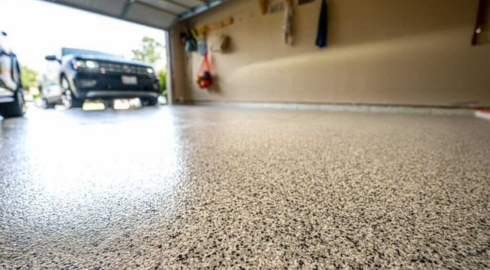
Surface prep rarely gets attention, yet it determines whether a floor lasts for years or starts failing within months. A smooth, glossy finish depends far more on what lies underneath than on the coating itself. Before any Rocket City Epoxy garage floor is installed in Huntsville AL, the concrete must meet specific conditions that many property owners never consider.
Understanding the Need for Clean, Debris-free Concrete Surfaces
Concrete may look clean while still hiding dust, grit, and construction residue inside its pores. These fine particles prevent Rocket City Epoxy floor coating materials from bonding directly to the slab. Instead of anchoring to solid concrete, the coating sticks to loose debris, which weakens the entire system.
Another issue comes from leftover drywall dust, sawdust, or soil tracked in over time. Even thin layers interfere with adhesion and can create tiny air pockets beneath the coating. Professional prep focuses on removing both visible mess and embedded contaminants so Rocket City Epoxy floors bond evenly across the entire surface.
What Happens When Cracks Are Left Untreated Before Coating
Cracks signal movement or stress within the slab, even if they appear minor. If left untreated, epoxy will flow into the crack without addressing the underlying instability. As the slab continues to shift, the hardened coating may split or mirror the crack on the surface.
Beyond appearance, cracks can act as entry points for moisture vapor. That vapor pressure builds under the coating and leads to bubbling or lifting. Repairing cracks before installing Rocket City Epoxy flooring allows the coating to remain flexible where needed while maintaining a uniform finish.
Why Moisture Levels Must Be Checked Before Epoxy Application
Concrete breathes, and moisture moves through it constantly. Excess moisture trapped beneath epoxy creates pressure that weakens adhesion. Without proper testing, a floor may look perfect at first and then fail months later. Moisture testing identifies whether the slab can safely support Rocket City Epoxy floor coating products. High moisture readings may require mitigation steps before installation. Addressing this early protects the coating from peeling and prevents future repairs.
How Proper Concrete Profiling Improves Epoxy Adhesion
Smooth concrete is often too slick for epoxy to grip. Profiling creates microscopic texture that allows the coating to mechanically bond with the slab. This texture is achieved through grinding or shot blasting, not acid etching alone. Different epoxy systems require different surface profiles. A properly profiled slab ensures Rocket City Epoxy floors adhere evenly without thin spots. This step also improves durability under vehicle traffic and heavy equipment.
What Flatness Standards Help Prevent Future Coating Issues
Concrete that dips or slopes unevenly affects how epoxy spreads and cures. Low spots may hold excess material, while high areas receive thinner coverage. Over time, these inconsistencies show as wear patterns or peeling. Flatness corrections before installation help distribute Rocket City Epoxy flooring evenly. Minor leveling creates a consistent thickness across the floor, improving both appearance and long-term performance.
Why Oil and Grease Spots Must Be Fully Removed First
Oil penetrates concrete deeply, far beyond surface stains. If left untreated, these areas repel epoxy and cause fisheyes or adhesion loss. Scrubbing alone rarely removes contamination trapped inside the slab. Specialized degreasers and mechanical cleaning draw oils out of the concrete. Removing these contaminants allows Rocket City Epoxy floor coating systems to bond directly to clean material instead of sealing in residues that later cause failure.
Understanding the Impact of Old Sealers on Epoxy Performance
Many slabs already contain sealers from past treatments. These products block epoxy from penetrating the surface, leading to delamination. Even invisible sealers can disrupt bonding. Testing for existing sealers helps determine the right preparation method. Removing or grinding through these layers ensures Rocket City Epoxy floors attach to raw concrete rather than an unstable barrier.
What Temperature Ranges Allow Proper Epoxy Curing on Floors
Temperature influences how epoxy flows, levels, and hardens. Cold slabs slow curing and may trap bubbles, while excessive heat shortens working time and weakens bonding. Controlled temperature ranges help Rocket City Epoxy flooring cure evenly. Both air and slab temperatures matter, especially in Huntsville AL where seasonal swings are common. Proper conditions allow the coating to reach full strength without defects.
How Stable Subfloor Conditions Help Ensure Long-lasting Results
A stable subfloor resists movement caused by soil shifts, settling, or thermal expansion. Unstable slabs stress the coating from below, even if surface prep is flawless.
Evaluating stability before installation protects Rocket City Epoxy garage floor systems from premature cracking or separation. Addressing structural concerns first allows the coating to perform as designed for years.
Professional epoxy installers like Rocket City Epoxy can evaluate subfloor conditions, correct hidden issues, and apply systems designed to match the slab’s needs, helping property owners achieve durable, long-lasting floors without unexpected failures.