Few things can spoil a relaxing morning quite like turning on the shower and being greeted by a rotten-egg smell. Add orange stains around the bathroom sink and a metallic taste in your drinking water, and suddenly, having your own well doesn’t seem quite as convenient as it once did.
For homeowners experiencing these problems, appropriate iron and sulfur treatment for well water can help address the underlying causes rather than repeatedly dealing with unpleasant odors and stubborn stains.
Groundwater naturally contains various dissolved substances, and their concentrations differ from one property to another. Understanding what’s happening in your particular water supply is the first step toward finding a solution that makes everyday life more comfortable.
Why Iron and Sulfur Find Their Way Into Well Water
As groundwater moves through underground layers of soil and rock, it can absorb naturally occurring minerals and other substances.
Iron is relatively common in groundwater and often becomes noticeable through reddish-brown staining or a metallic flavor. Water containing dissolved iron may initially appear clear before developing discoloration after exposure to oxygen.
Sulfur-related odors, meanwhile, are frequently associated with hydrogen sulfide. Certain bacterial activity and reactions within water heaters may also contribute to unpleasant smells.
Interestingly, these problems don’t always originate in the same place.
If the odor occurs exclusively when you run hot water, your water heater deserves some investigation. If both hot and cold water smell unpleasant, the incoming supply may require further assessment.
Finding the Right Way to Remove Unwanted Substances
It’s tempting to install a basic filter and hope the problem disappears. Unfortunately, dissolved iron and hydrogen sulfide often require more specialized treatment.
Effective filtration solutions for private wells should reflect the concentration and characteristics of the substances present in the water.
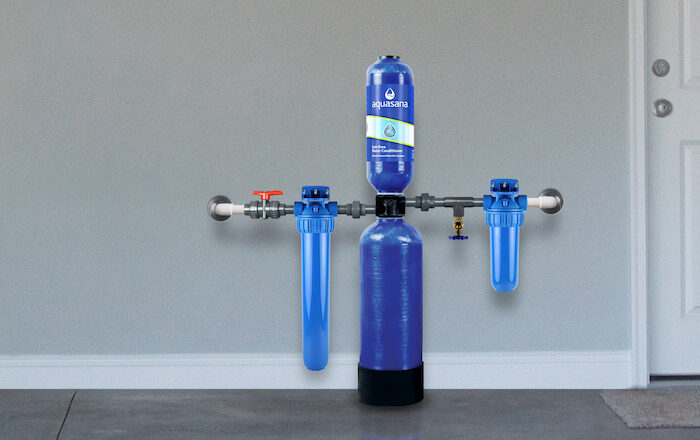
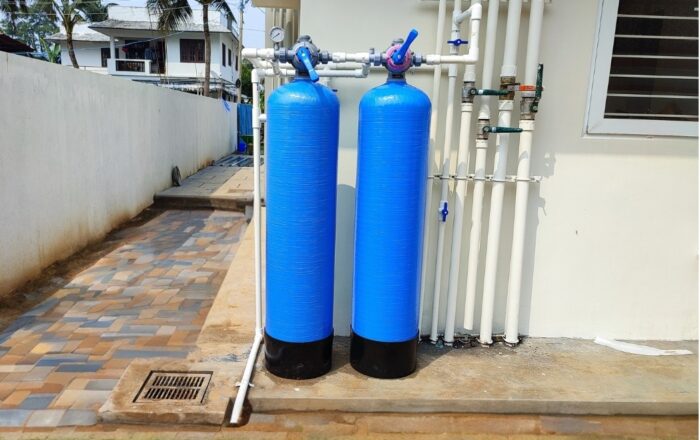
Certain treatment systems use oxidation to convert dissolved iron into particles that can subsequently be captured. Aeration and specialized filtration media may also help address particular sulfur-related concerns.
The effectiveness of these technologies depends on water chemistry, pH, contaminant concentration, and equipment operating conditions.
Sometimes, a single treatment system may address several concerns. In other situations, multiple technologies need to work together.
Getting the equipment selection right can save homeowners considerable time, money, and frustration.
Looking Beyond What You Can See and Smell
Rusty stains and unpleasant odors are obvious signs that your water deserves attention. However, they’re not necessarily the only concerns affecting your groundwater.
A comprehensive approach to well water quality treatment considers both noticeable problems and potential contaminants that cannot be detected through taste, smell, or appearance.
Appropriate laboratory testing can provide information about bacteria, nitrate, hardness, iron, and other substances.
These findings help homeowners distinguish between aesthetic inconveniences and potential health-related concerns.
It’s easy to assume that removing an unpleasant smell makes water suitable for drinking. Unfortunately, that isn’t always the case.
Reliable testing before and after treatment provides a much better understanding of water quality and equipment performance.
How Iron and Sulfur Affect Everyday Household Activities
Iron-rich water can turn ordinary cleaning tasks into rather frustrating experiences.
White laundry may develop orange marks, bathroom fixtures can become discolored, and metallic flavors might affect homemade beverages.
Iron deposits can also accumulate inside faucet aerators, appliance screens, and other plumbing components.
Sulfur-related odors create a different kind of inconvenience. Nobody particularly enjoys washing dishes or taking a shower when there’s an unpleasant smell lingering in the room.
Suitable treatment can help reduce these problems, making everyday household activities more enjoyable.
You may still need to remove existing stains after installation, but addressing the underlying cause can help prevent them from returning as frequently.
Will a Water Softener Solve the Problem?
Many well owners already have a water softener and wonder why iron stains or unpleasant odors continue appearing.
Conventional softeners are primarily designed to reduce dissolved calcium and magnesium. Some models can also handle limited concentrations of dissolved iron under appropriate conditions.
However, excessive iron may interfere with softener performance, and conventional softening isn’t a dependable solution for hydrogen sulfide odors.
Dedicated pretreatment may be necessary when these concerns are significant.
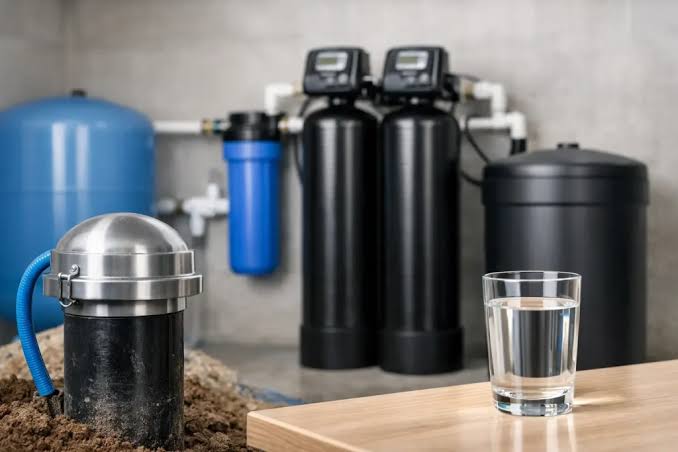
If hardness is also present, combining suitable iron removal equipment with a softener can make practical sense.
The correct installation sequence is important because each component needs appropriate operating conditions to perform effectively.
Taking Care of Your Treatment Equipment Over Time
Installing specialized equipment is an important step, but regular maintenance is what helps keep it working reliably.
Depending on the system, maintenance may involve periodic backwashing, replacing treatment media, replenishing supplies, or inspecting individual components.
When consulting a provider such as Hawkins Water, ask about servicing schedules, anticipated operating expenses, and the maintenance requirements associated with different technologies.
Arrange routine laboratory testing at least annually for common well water safety concerns, with additional testing when circumstances warrant it.
If harmful contamination is suspected or confirmed, use a verified safe alternative for drinking and cooking until appropriate corrective measures and testing establish that the problem has been addressed.
Keep your maintenance records handy, too. They can be surprisingly useful when troubleshooting future problems.
Enjoying Your Well Water Without the Unpleasant Surprises
Owning a private well shouldn’t mean accepting rusty fixtures, metallic flavors, and unpleasant odors as unavoidable parts of daily life.
With reliable testing, appropriately selected treatment equipment, and consistent maintenance, many of these recurring concerns can become considerably more manageable.
Imagine welcoming guests without worrying about the smell of your water or washing your favorite white towels without anticipating another stubborn stain.
Those little things matter.
Your well is a valuable resource, and giving it thoughtful attention can make your home a more comfortable place to live. Better water begins with understanding the problem and addressing it where it matters most.