Water is one of those things we barely think about until something feels wrong. Maybe the shower leaves your skin unusually dry, the kitchen tap has a faint chlorine smell, or white marks keep appearing around faucets no matter how often you clean them. None of these problems seem dramatic on their own, but when they happen every day, they start affecting how comfortable a home actually feels.
The good news is that improving household water doesn’t always require a complicated overhaul. Sometimes it begins with understanding what’s coming through the pipes and choosing a practical solution for the problems that actually exist.
Start by Understanding Your Water
Not every home has the same water concerns. Water quality can vary depending on the local supply, plumbing system, groundwater conditions, and even the age of a property.
Hard water, for example, contains relatively high levels of minerals such as calcium and magnesium. Those minerals aren’t necessarily a health concern, but they can leave scale on fixtures, glass doors, kettles, and appliances. Other households may notice chlorine taste, sediment, unpleasant odors, or discoloration.
Before spending money on equipment, it makes sense to identify the problem first. A basic water quality test can provide useful information and prevent homeowners from buying a system they don’t really need.
Modern residential water solutions can then be selected around specific concerns rather than relying on a one-size-fits-all approach.
Why Hard Water Becomes an Everyday Nuisance
Hard water has a way of making itself known slowly.
At first, it’s just a few cloudy spots on a drinking glass. Later, there’s mineral buildup around the showerhead, soap doesn’t seem to lather quite as nicely, and freshly washed clothes may feel a little stiff. Over time, scale can also accumulate inside certain water-using appliances.
A water softener is commonly used where hardness is the main concern. Instead of trying to filter everything from the supply, traditional softening systems are designed specifically to reduce hardness minerals.
The difference isn’t always something you notice in five minutes. It’s often more subtle. Cleaning becomes easier. Soap performs better. Fixtures stay presentable longer. Those little improvements add up.
Drinking Water Deserves Its Own Attention
Water used for drinking and cooking presents a slightly different question.
Some homeowners are perfectly comfortable with their municipal supply but dislike its taste or smell. Others want additional filtration for particular substances identified through testing.
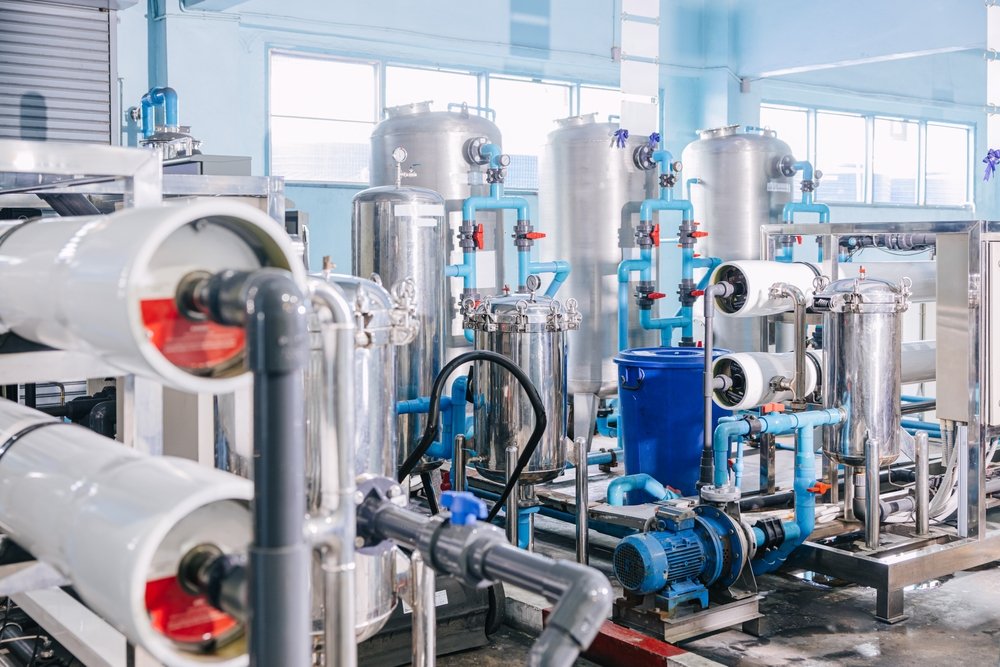
Depending on the situation, options can include activated carbon filtration, under-sink filters, reverse osmosis systems, or whole-house filtration.
There’s no universal “best” system. A sophisticated filtration unit can be unnecessary if the only issue is mild chlorine taste. Likewise, a small pitcher filter probably won’t solve a broader sediment or hardness problem throughout the property.
Thinking about how you actually use water in your home makes choosing the right equipment much easier. Drinking, bathing, laundry, cooking, and appliance use don’t necessarily require identical treatment.
Better Water Can Also Mean Less Cleaning
This is one benefit people sometimes overlook.
Mineral deposits around faucets and shower screens take time to remove. Soap residue can become more noticeable when hard water is involved, while scale inside kettles and coffee makers means more frequent descaling.
Improve the underlying water condition and some of that maintenance may become easier.
It won’t magically eliminate housework — sadly, no filter has managed that trick yet — but reducing recurring water-related buildup can make routine cleaning less frustrating.
Don’t Forget About Maintenance
Buying a treatment system is only half the story.
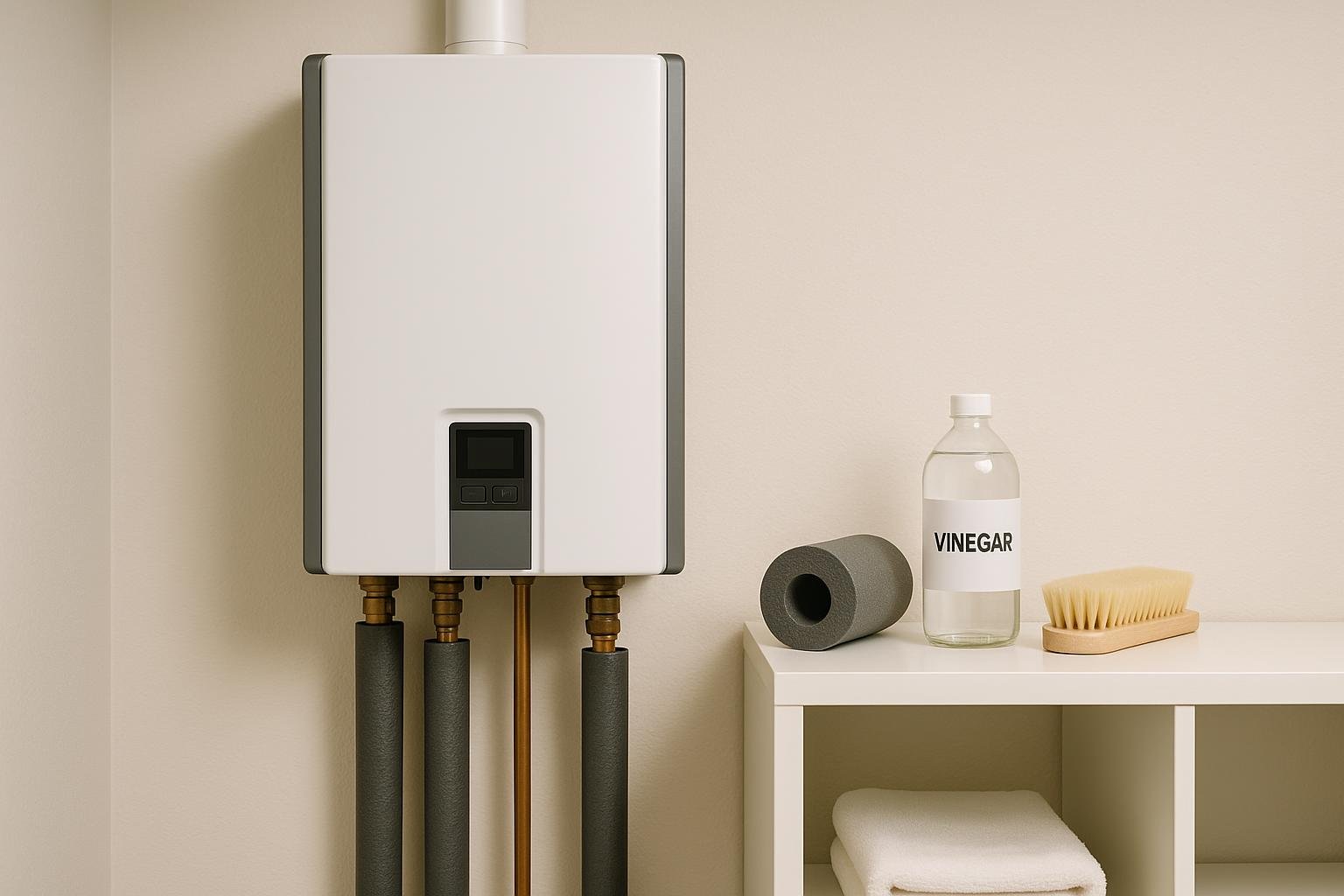
Filters eventually need replacement. Water softeners may require salt or other routine servicing depending on their design. Reverse osmosis systems have filters and membranes with recommended replacement intervals.
Ignoring maintenance can reduce performance and defeat the purpose of installing the equipment in the first place.
A simple schedule helps. Keep the installation date, filter specifications, service information, and recommended replacement intervals somewhere accessible. It takes a few minutes and saves a surprising amount of guesswork later.
Small Improvements Can Change How a Home Feels
Good household water isn’t really about owning expensive equipment. It’s about removing the small irritations that quietly repeat themselves every day.
Cleaner-tasting drinking water can make reaching for a glass more appealing. Reduced mineral buildup can make bathrooms easier to maintain. Better-performing soap can improve showers and laundry. Together, these details contribute to everyday comfort in ways that are easy to underestimate.
The sensible approach is pretty straightforward: test the water, identify the actual issue, choose treatment that addresses it, and maintain the system properly.
Water runs through nearly every part of daily life. When its quality improves, you may not think about it very often — and, really, that’s probably the best sign that the system is doing its job.