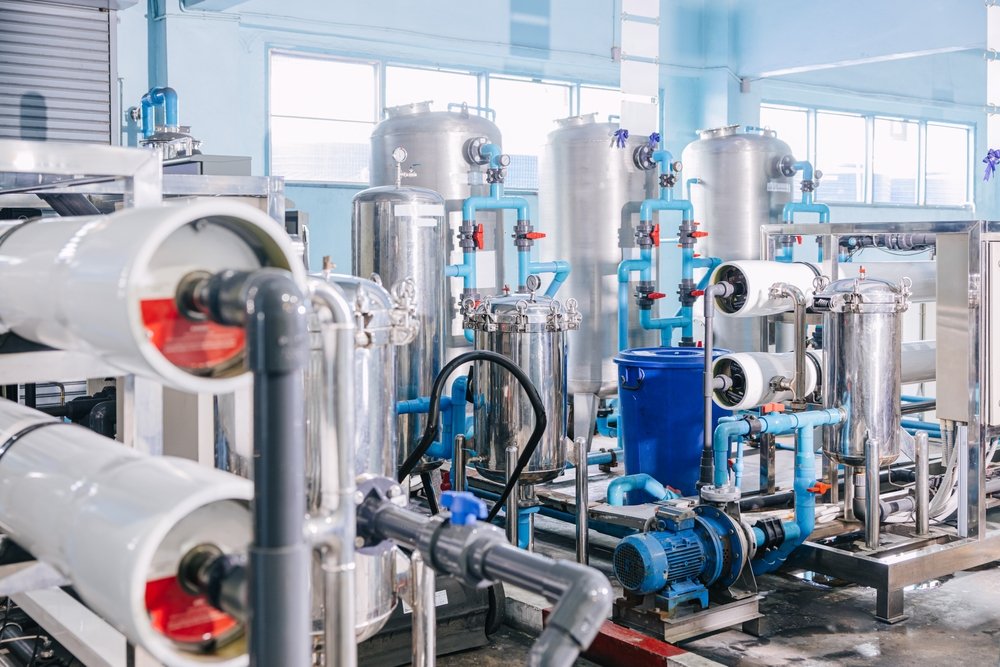
Water quality affects more parts of a home or business than most people notice. It influences how drinking water tastes, how clean dishes feel after washing, how quickly scale builds up on plumbing fixtures, and even the quality of ice served in a glass. When water contains excessive minerals, sediment, or unpleasant odors, the problem can become difficult to ignore.
Fortunately, modern treatment options make it easier to address specific water concerns. From whole-home solutions to specialized filtration for commercial equipment, the right setup can improve water quality and protect appliances at the same time. The important part is understanding what the water needs before choosing a system.
Why Water Quality Deserves Attention
Water may look clear and still contain substances that affect its performance. Hard water, for example, often contains calcium and magnesium. These minerals are not usually visible in a glass, but they can leave scale around faucets, showerheads, coffee machines, and water heaters.
Other water concerns may include chlorine taste, sediment, sulfur odors, iron staining, or microorganisms in untreated private well water. Each issue requires a different treatment approach. A carbon filter may help with taste and odor, while a softener is designed primarily to reduce hardness. Reverse osmosis can reduce many dissolved contaminants in a dedicated drinking-water supply.
Instead of selecting equipment based on appearance or a sales claim, homeowners and business owners should begin with a water test. Knowing what is present makes it much easier to choose a system that solves the actual problem.
How Water Softeners Help Around the Property
Hard water is one of the most common reasons people explore water softeners. These systems are designed to reduce hardness minerals before the water enters the plumbing network. Traditional salt-based softeners use resin beads that attract calcium and magnesium ions, replacing them with sodium or potassium ions.
The result can be less scale buildup and improved performance from soaps and detergents. Many households also notice that laundry feels softer, shower surfaces are easier to clean, and water heaters experience less mineral accumulation.
However, a softener is not a universal water purifier. It does not automatically remove every contaminant, and it should not be purchased as a solution for bacteria, pesticides, or all dissolved substances. Its purpose is mainly to address hardness.
A water test can determine whether softening is necessary and how much capacity the system needs. Choosing a unit that is too small may lead to frequent regeneration, while an oversized system can waste salt and water.
Understanding the Needs of Ice-Making Equipment
Ice may seem simple, but the water used to make it can significantly influence its appearance, taste, and texture. Ice machines process water repeatedly, so minerals and impurities can accumulate inside components over time. This may lead to cloudy ice, unpleasant flavors, scale, or maintenance problems.
That’s why ice machine filtration is an important consideration for restaurants, cafés, hotels, offices, healthcare facilities, and other businesses that serve ice regularly. A suitable filtration system can reduce sediment, chlorine, and selected contaminants that affect ice quality.
Filtered water may also help protect internal parts of the ice machine from mineral buildup. This does not eliminate the need for cleaning and sanitization, but it can support more consistent operation and reduce certain maintenance concerns.
The filter should be selected according to the machine’s flow rate, water conditions, and manufacturer requirements. A filter that is too restrictive may reduce water flow, while one with insufficient capacity may become exhausted quickly. Professional installation helps ensure the equipment receives the correct amount of water at the right pressure.
Why Ice Quality Matters to Businesses
For a commercial business, ice is often part of the customer experience. Cloudy ice, unusual odors, or an off taste can affect beverages and leave an unfavorable impression. In food service, water quality also matters because ice is considered a food product and must be handled hygienically.
A filtration system can help improve the sensory quality of ice, but cleanliness is equally important. Ice machines should be cleaned and sanitized according to the manufacturer’s instructions and applicable health requirements. Filters cannot compensate for poor sanitation practices.
Business owners should also monitor filter replacement schedules. A cartridge that has reached its capacity may no longer provide the expected level of treatment. Some systems include indicators or monitoring features, while others require staff to maintain a written replacement log.
Comparing Different Water Systems
The phrase water systems can refer to a wide range of equipment, from basic point-of-use filters to whole-house treatment systems and commercial installations. Understanding the difference between these categories helps buyers avoid choosing equipment that does not match their needs.
Point-of-use systems treat water at a specific location, such as a kitchen faucet, refrigerator, coffee station, or ice machine. They are useful when only one appliance or outlet needs improved water quality.
Whole-house systems treat water as it enters the property. These may include softeners, sediment filters, carbon filtration, iron removal systems, or other specialized equipment. Their purpose is to improve water quality across multiple fixtures and appliances.
Commercial systems are usually designed around higher flow rates and more demanding operating conditions. They may require larger tanks, automated controls, multiple treatment stages, and scheduled professional service. The system should be sized according to peak demand, not just average daily usage.
Maintenance Keeps Equipment Performing Properly
No water treatment system can work indefinitely without maintenance. Filters become exhausted, softener salt levels fall, membranes lose efficiency, and valves or pumps may eventually require servicing.
For softeners, homeowners should check the brine tank and avoid allowing the salt supply to run completely empty. They should also watch for salt bridging, where salt hardens and prevents proper regeneration. If the system begins using too much salt or the water becomes hard again, professional inspection may be necessary.
Ice machine filters should be replaced according to usage and manufacturer recommendations. Waiting until the ice tastes strange is not ideal because the filter may have been overdue for some time. Commercial operators should coordinate filter replacement with regular equipment cleaning and sanitation.
Keeping service records is a simple but useful habit. Write down installation dates, filter changes, repairs, and water test results. These details can help identify patterns and make future service visits more efficient.
Choosing the Right Treatment Provider
A reliable water treatment provider should begin by understanding the water source and the customer’s goals. Ask whether the company offers water testing, equipment sizing, installation, maintenance, repairs, and replacement filters.
Clear explanations are important. Customers should know what a system is designed to remove, what it cannot remove, how often it needs service, and what ongoing ownership costs may look like. Be cautious of providers who recommend expensive equipment without testing the water or explaining why it is necessary.
For commercial customers, service response time matters too. A failed filter or water treatment issue can affect ice production, beverage service, food preparation, and daily operations. A provider that offers scheduled maintenance and dependable technical support can help reduce unexpected interruptions.
A Practical Approach to Better Water Quality
Water treatment is not about installing the most complicated equipment available. It is about choosing the right solution for the water and using it responsibly. A softener may be ideal for hard-water problems, while a dedicated filter may be more suitable for an ice machine or drinking-water tap.
Start with testing, consider how the water is used, and compare equipment based on performance, maintenance, efficiency, and long-term cost. With proper installation and regular care, a well-chosen treatment system can protect appliances, improve water quality, and make everyday routines more comfortable.
Clean water is often appreciated most when it works quietly in the background. A little planning and maintenance can help keep it that way.
Leave a Reply