There are certain things you notice about your home only when they stop working properly. Water is a good example. You might not think much about it when the shower runs smoothly and your morning tea tastes just right. But hard water stains on the bathroom taps, soap that refuses to lather, or an unpleasant taste from the kitchen faucet can quickly change that.
These everyday annoyances often lead homeowners to consider water treatment. The tricky part is knowing where to start. There are plenty of products available, and each seems to promise cleaner, better water. Yet the right solution depends on what’s actually in your water, how your household uses it, and which problems you want to solve.
A little research before buying equipment can save money, prevent unnecessary installations, and make a real difference to your home’s water quality.
Start by Understanding Your Water
Before choosing any equipment, take a closer look at your water supply. Municipal water, borewell water, and water from private wells can have very different characteristics. Even two homes in the same neighborhood may experience different problems because of their plumbing, storage arrangements, or supply conditions.
Hardness is one of the most common concerns. Water containing elevated levels of calcium and magnesium can leave chalky deposits on taps, showerheads, and glassware. You might also notice that soap doesn’t rinse away easily or that your skin feels dry after bathing. These signs can point towards hard water, although testing is the best way to confirm it.
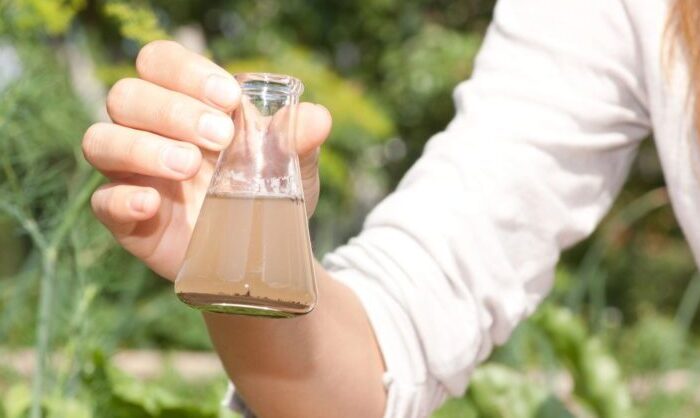
Other concerns require a different approach. Sediment may cause cloudiness, while certain dissolved minerals can affect taste, color, or odor. Microbial contamination is another matter entirely and cannot reliably be identified just by looking at the water.
If you’re unsure what’s causing a problem, arrange an appropriate water test before investing in treatment. Depending on your supply and local risks, testing may cover hardness, pH, dissolved solids, specific chemicals, or microbiological contaminants.
The results give you something valuable: a starting point based on evidence rather than guesswork.
Why Proper Installation Matters
Buying good equipment is only half the job. How it’s installed can influence performance, reliability, and the long-term condition of your plumbing.
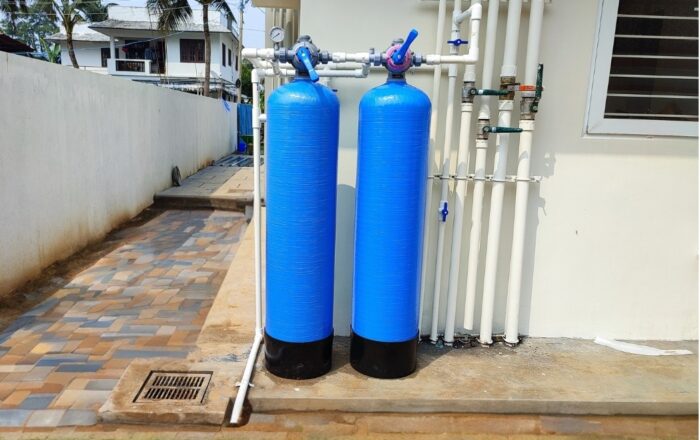
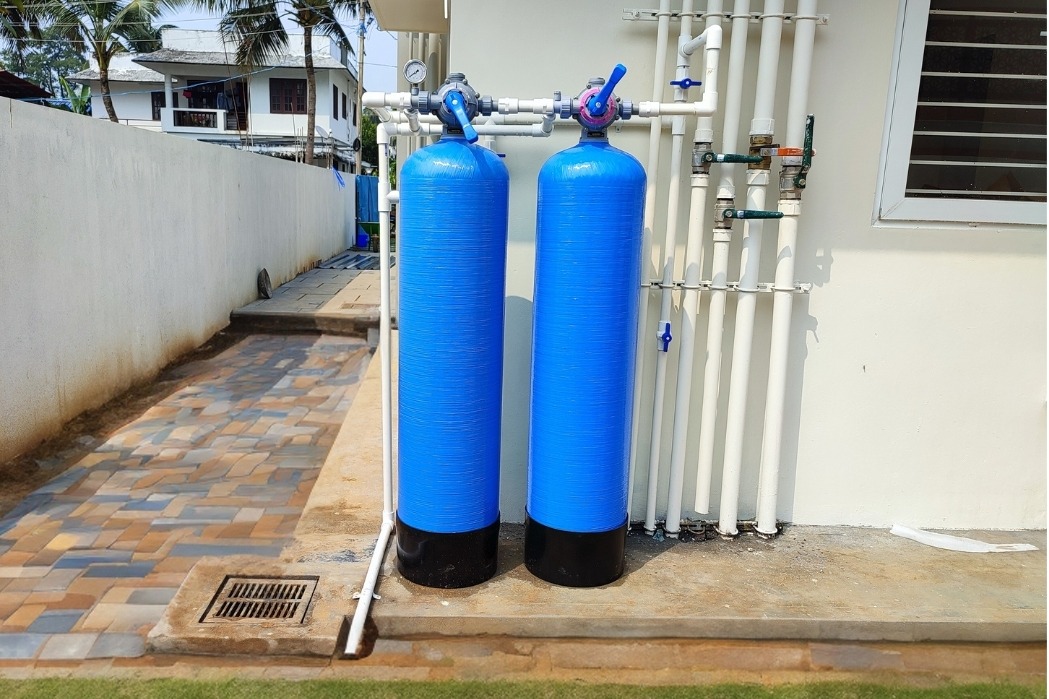
Professional water system installation begins with understanding the property’s layout, water pressure, incoming pipe size, and expected demand. The installer also needs to consider where equipment will sit, whether a drain connection is required, and how filters or other components will be accessed for servicing.
These details may sound minor, but they’re important. A system installed in an awkward location can turn routine maintenance into a chore. Incorrect connections can cause leaks, while poorly matched equipment may struggle to supply enough water during busy periods.
Imagine a family getting ready for work and school on a weekday morning. Several taps, showers, and appliances may be running within a short period. If the treatment system is too small for the household’s needs, reduced flow can become an everyday frustration.
A qualified installer should explain what the equipment can and cannot do, demonstrate basic operation, and provide clear maintenance instructions. It’s also worth confirming that any plumbing changes comply with applicable local requirements.
Don’t hesitate to ask questions before work begins. A good installation should leave you with a system you understand, not a mysterious box of equipment tucked away in a corner.
Dealing With Hard Water Throughout the House
For households affected by hard water, water softeners can be a practical option. Most conventional ion-exchange softeners work by replacing calcium and magnesium ions with sodium or, in some systems, potassium ions. This reduces the hardness that contributes to mineral scale.
The benefits are often most noticeable in bathrooms and utility areas. Showerheads may stay cleaner for longer, soap can lather more easily, and mineral deposits may become less troublesome. Appliances that heat water can also benefit from reduced scale formation, although results depend on the equipment and the severity of the original problem.
Still, a softener isn’t a universal water purifier. It doesn’t automatically remove bacteria, viruses, or every dissolved contaminant. If your water has several quality issues, additional treatment may be needed.
There are practical considerations, too. Traditional softeners need periodic replenishment with the appropriate salt and discharge wastewater during regeneration. Some households may also need to consider sodium intake or local restrictions on softener discharge. People following medically prescribed sodium restrictions should discuss drinking-water choices with a healthcare professional.
The best approach is to select a softener based on measured hardness, household water consumption, and the manufacturer’s sizing guidance. Bigger isn’t always better, and an oversized system can be inefficient if it’s poorly configured.
When Whole-Home Filtration Makes Sense
Sometimes the concern extends beyond hardness. Perhaps the water has a persistent chlorine taste, sediment appears in several bathrooms, or you want to address a specific contaminant identified through testing.
In those situations, whole-home filtration may be worth considering. These systems are generally installed where water enters the property, allowing treated water to reach multiple outlets rather than just one kitchen tap.
The key is matching the filter to the problem. Sediment cartridges are useful for suspended particles, while activated carbon can reduce chlorine taste and odor when the product is appropriately designed for that purpose. Other contaminants require other technologies, and some may need a separate drinking-water treatment unit.
It’s easy to assume that one large filter can handle everything, but that’s rarely a safe assumption. Check the manufacturer’s performance claims and relevant independent certifications. If a test identifies a particular contaminant, verify that the proposed equipment is specifically rated to reduce it.
Whole-home systems also need adequate flow capacity. A filter that works well at a single faucet may be unsuitable for a house where several showers and appliances operate simultaneously.
Finally, remember that more filtration isn’t automatically better. Unnecessary treatment adds equipment costs, replacement expenses, and maintenance tasks. Treating a confirmed problem is usually more sensible than trying to remove every substance that naturally occurs in water.
Maintenance Is Part of the Investment
Even well-chosen equipment needs attention. Filters eventually become exhausted or clogged, softeners require replenishment and occasional checks, and connections should be inspected for leaks.
Follow the manufacturer’s service intervals, but pay attention to actual usage as well. A large family may use replacement cartridges faster than a household with only one or two occupants. Water quality at the source can also affect how quickly components wear out.
Keep records of servicing and note any sudden changes in taste, odor, or water pressure. These clues can help identify problems early. If the water changes unexpectedly, don’t assume a replacement filter will solve everything; the cause could be related to the supply, storage tank, or plumbing.
It’s also sensible to compare the long-term cost of ownership before choosing a system. The initial purchase price is only part of the expense. Replacement filters, salt, electricity, water use, and professional servicing can all add up over time.
A Better Water Setup Begins With the Right Questions
Choosing water treatment equipment doesn’t have to be complicated, but it does require a little patience. Start with your water source, identify the problems that matter, and test when necessary. Then choose equipment designed for those specific needs and have it installed correctly.
For one household, a softener may be the most useful improvement. Another may benefit from a drinking-water filter or a carefully selected whole-home system. There isn’t a single answer for every property, and that’s perfectly fine.
The aim isn’t to buy the most advanced equipment on the market. It’s to create a dependable water setup that suits your home, works efficiently, and remains manageable long after installation day.
When you understand your water and make decisions based on real needs, the benefits can be surprisingly simple: fewer daily annoyances, better-performing plumbing, and greater confidence in the water your household uses every day.