There’s something reassuring about filling a glass straight from the kitchen tap. You turn the handle, the water runs clear, and life carries on. It’s easy to assume everything is fine, especially when the water looks and smells perfectly normal. But water quality isn’t always something you can judge with your eyes.
Changes in taste, cloudy glassware, or mineral deposits around faucets can raise questions about what’s coming through your plumbing. Sometimes, these signs point to relatively minor issues, such as hard water. In other cases, the concern may require a closer look. And occasionally, a problem can exist without any obvious warning signs at all.
That’s why understanding your household water matters. A little investigation can help you choose suitable treatment, avoid unnecessary expenses, and feel more confident about the water your family uses every day.
What Determines the Quality of Your Water?
The source of your water plays a major role in its characteristics. Municipal supplies generally undergo treatment and monitoring, but the water can still be affected by distribution pipes and plumbing inside a property. Private wells depend on local groundwater conditions and may be exposed to naturally occurring minerals, agricultural runoff, or other sources of contamination.
Geography matters, too. Some regions naturally have harder water because groundwater passes through limestone and other mineral-rich formations. Other areas may experience elevated iron, manganese, or different water chemistry concerns.
Household plumbing can introduce additional complications. Older pipes and fixtures may contribute metals, while storage tanks that aren’t properly maintained can affect water quality. These possibilities don’t mean every home has a problem, of course, but they explain why conditions can vary even between neighboring properties.
Good water quality involves more than appearance. Clear water can contain dissolved substances that aren’t visible, while harmless minerals can sometimes create noticeable staining or taste differences. Understanding the distinction helps you focus on meaningful concerns instead of worrying about every small change.
Why Testing Is Better Than Guesswork
When something seems unusual, it’s tempting to buy a filter immediately. A product promising cleaner, fresher water can sound appealing, particularly if you’re tired of dealing with unpleasant tastes or stubborn deposits.
However, choosing treatment before identifying the problem can lead to wasted money. A carbon filter may help reduce chlorine taste, for instance, but it won’t necessarily address hardness minerals or every dissolved contaminant.
A suitable water test can provide useful information about what’s present in your supply. Depending on your concerns, testing may measure hardness, pH, iron, nitrates, lead, or other relevant substances. Private well owners may also need testing for bacteria and additional contaminants based on local risks.
For the most reliable results, use a qualified laboratory or follow recommendations from your local public health authority. The right sampling method matters because poorly collected samples can produce misleading results.
If you receive municipal water, review the supplier’s latest water quality report as well. It can explain the treatment process and identify regulated contaminants monitored in the public supply. However, that report may not reveal problems arising inside your own property’s plumbing.
Think of testing as the starting point rather than an unnecessary extra expense. Knowing what you’re dealing with makes it easier to choose a solution that addresses the actual issue.
Understanding the Water You Drink Every Day
Water used for drinking and cooking deserves particular attention because it becomes part of your everyday routine. You might use it to make tea in the morning, prepare rice for dinner, wash vegetables, or fill a bottle before leaving home.
The taste of drinking water can be influenced by chlorine, naturally occurring minerals, and other substances. An unusual flavor doesn’t automatically mean the water is unsafe, but a sudden change deserves investigation, especially if it comes with discoloration or an unusual odor.
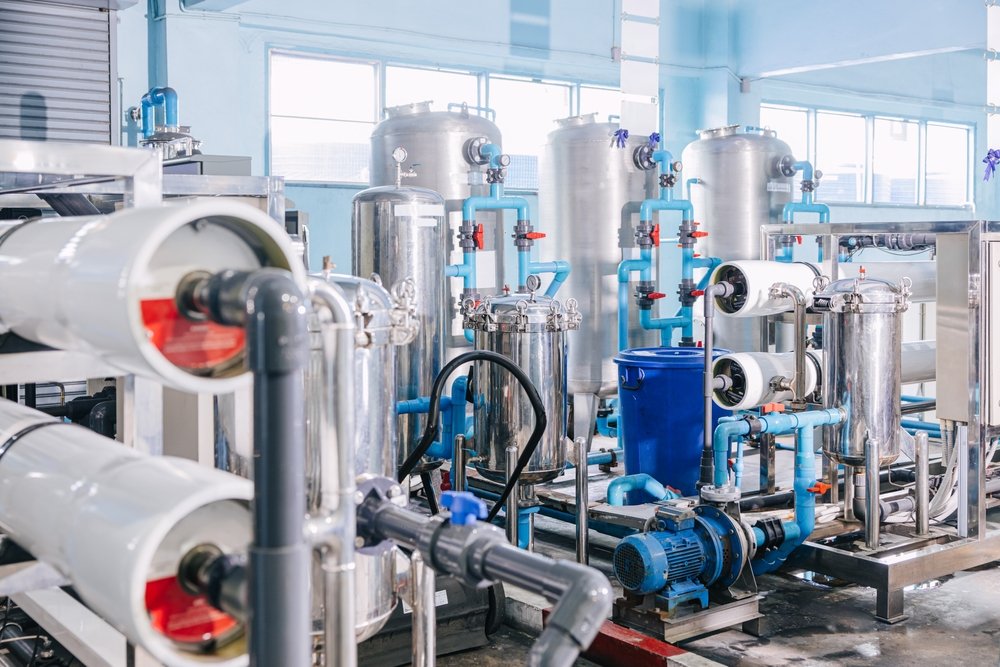
Different treatment methods serve different purposes. Activated carbon filters can reduce chlorine and certain organic compounds that affect taste and smell. Reverse osmosis systems can reduce many dissolved substances, depending on the model and its performance certification. Ultraviolet treatment can inactivate certain microorganisms but doesn’t remove dissolved chemicals or salts.
There’s no universal filter that removes everything. Before purchasing a product, check which contaminants it has been independently certified to reduce and whether it suits your test results.
It’s also important not to rely on bottled water indefinitely as a substitute for understanding the problem. Bottled water may be convenient, but identifying the source of a concern can help you make a more practical long-term decision.
Recognizing Common Signs of Water Problems
Some household clues are worth paying attention to, even though they can’t confirm a diagnosis on their own.
White crust around faucets or inside kettles often suggests hard water. These deposits develop as mineral-rich water leaves residue behind, particularly when heated. A water hardness test can help establish whether a softener would be useful.
Orange or reddish stains around sinks and laundry fixtures may indicate iron, although other causes are possible. A persistent chlorine-like odor can affect taste, while visible particles may suggest sediment or plumbing-related issues.
Changes in water pressure can have several explanations, including plumbing blockages or sediment accumulation. If the problem appears suddenly, it’s worth checking with your water supplier or a qualified plumber rather than assuming a filter will solve it.
One important point: the absence of these signs doesn’t guarantee safety. Lead, certain pesticides, and some microorganisms may not produce noticeable changes in water’s appearance or taste. Testing is particularly important when there’s a known contamination risk or a private well is involved.
Choosing the Right Treatment After Testing
Once you have reliable results, you can compare treatment options with greater confidence.
If hardness is the main concern, an ion-exchange water softener may help reduce calcium and magnesium. If the water tastes strongly of chlorine, a suitable activated carbon filter may be sufficient. If a specific contaminant is present, look for equipment tested and certified to reduce that substance.
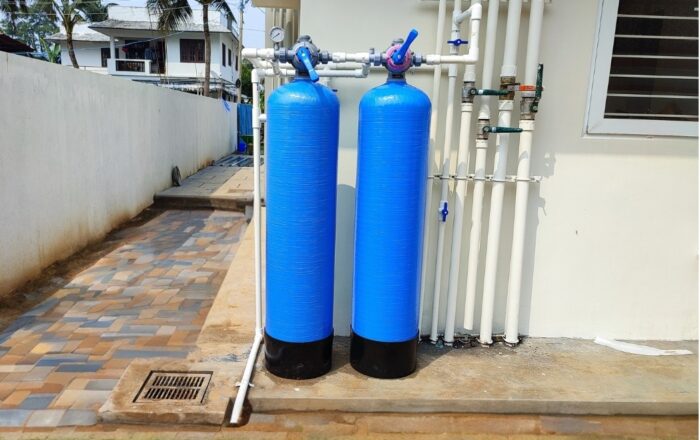
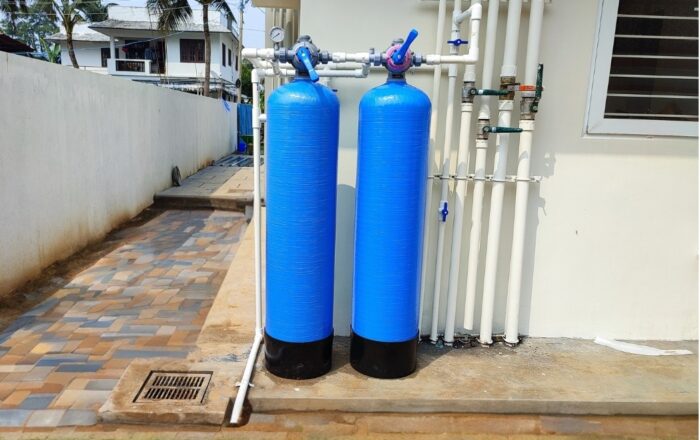
Whole-house systems treat water as it enters a property, making them useful when the issue affects multiple fixtures or appliances. Point-of-use filters treat water at a particular location, often the kitchen tap, and may be more practical when the primary goal is improving water used for drinking and cooking.
Budget matters, but don’t stop at the purchase price. Replacement cartridges, servicing, electricity, and water consumption can all contribute to long-term costs.
Ask installers to explain what the equipment does, what it doesn’t do, and how often maintenance is required. Be cautious of products that promise to solve every possible water problem without explaining their performance limitations.
Keeping Your Water Quality on Track
Testing shouldn’t always be treated as a one-time task. Water conditions can change because of seasonal influences, plumbing repairs, environmental changes, or problems affecting a private well.
Follow local recommendations for testing frequency, particularly if your household depends on well water. After installing treatment equipment, check whether follow-up testing is recommended to confirm that it works as intended.
Keep maintenance records, replace filters according to the manufacturer’s instructions, and investigate unusual changes rather than ignoring them. A well-maintained system is more likely to deliver the performance it was designed to provide.
A Small Step Toward Greater Confidence
Good water management begins with knowing what’s coming through your tap. You don’t necessarily need expensive equipment or a complicated treatment setup. Sometimes, a simple filter is enough; in other situations, specialized treatment may be necessary.
The important thing is to make decisions based on reliable information. Review available reports, arrange appropriate testing when needed, and select treatment that matches the problem rather than relying on marketing claims.
Water is part of everyday life, and it deserves a little attention. By understanding your supply and taking sensible steps when concerns arise, you can protect your household, avoid unnecessary spending, and feel more confident about the water you use each day.